Choosing the right torque wrench is one of those decisions that looks simple on the surface but quickly becomes complex once you start digging into real-world applications. Whether you are working in automotive repair, heavy industry, manufacturing, construction, or even precision engineering, torque accuracy directly affects safety, performance, and equipment life. This is especially true in professional environments where standards, compliance, and repeatability matter.
In torque wrenches Australia, users face a wide range of operating conditions, industries, and regulatory expectations. From workshops in metropolitan cities to mining and industrial sites in remote regions, the right torque wrench is not just about tightening a fastener it is about doing it correctly, consistently, and safely. This guide is designed to walk you through everything you need to know, step by step, so you can confidently choose the right torque wrench for your specific application.
Why Choosing the Right Torque Wrench Matters More Than You Think
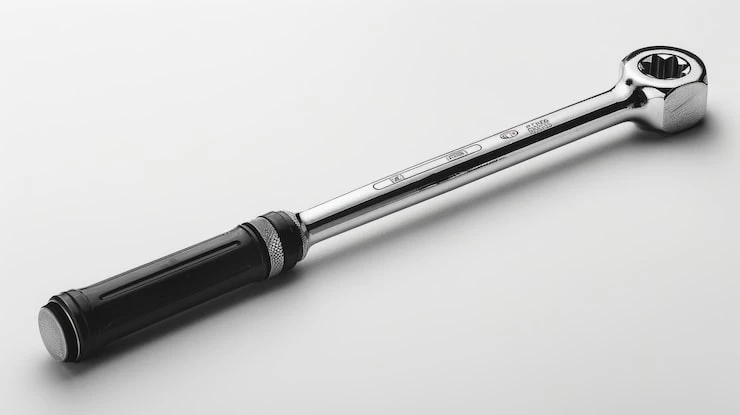
A torque wrench is a precision tool designed to apply a specific amount of force to a fastener. That force, known as torque, ensures bolts and nuts are neither too loose nor excessively tight. When torque is incorrect, the consequences can range from minor inconvenience to serious safety risks.
In industrial and mechanical settings, under-torquing can lead to vibration-related loosening, leaks, or component failure. Over-torquing, on the other hand, can stretch bolts, strip threads, or damage mating surfaces. In regulated industries, improper torque can also result in failed audits or non-compliance issues.
Professionals working with torque wrenches Australia often operate under Australian Standards or international quality systems that demand accuracy and traceability. This makes tool selection and maintenance just as important as knowing how to use the tool itself.
What Is a Torque Wrench and How Does It Actually Work?
A torque wrench is essentially a lever with a calibrated mechanism that measures applied force. When you apply force to the handle, the wrench translates that force into rotational torque at the fastener. The wrench then signals when the preset torque value has been reached, either mechanically, visually, or electronically.
Most torque wrenches rely on internal springs or sensors that must be precisely calibrated. This is where torque wrench calibration plays a crucial role. Without proper calibration, even a high-quality torque wrench can deliver inaccurate readings, leading to the same risks as using the wrong tool altogether.
In torque wrenches Australia, calibration is not just best practice it is often a requirement for quality-controlled environments.
Understanding Your Application Before Choosing a Torque Wrench
Before comparing brands, styles, or features, it is essential to understand your specific application. The right torque wrench for an automotive workshop may not suit a construction site or an aerospace assembly line.
The type of fasteners you use, the torque range required, and the working environment all influence your choice. For example, low-torque applications such as electronics assembly require far more sensitivity than high-torque tasks like structural bolting.
Professionals sourcing torque wrenches Australia should also consider whether the wrench will be used occasionally or as part of daily production. High-frequency use places greater demands on durability, ergonomics, and long-term accuracy.
Torque Range: Why It Is Not Just About Maximum Capacity
One of the most common mistakes when choosing a torque wrench is focusing only on the maximum torque rating. While it may seem logical to choose a wrench that “covers everything,” accuracy is actually best within the middle portion of a wrench’s range.
Most torque wrenches are most accurate between 20% and 80% of their rated capacity. Using a wrench repeatedly at the extreme low or high end can reduce accuracy and accelerate wear. This is why professionals in torque wrenches Australia often use multiple torque wrenches to cover different ranges rather than relying on a single tool.
Understanding your typical torque requirements helps ensure you select a wrench that operates comfortably within its optimal accuracy zone.
Types of Torque Wrenches and When to Use Them
Torque wrenches come in several designs, each suited to different tasks. The right choice depends on accuracy needs, user experience, and working conditions.
Click-type torque wrenches are among the most common. They produce an audible and tactile “click” when the preset torque is reached. These are widely used across torque wrenches Australia due to their simplicity and reliability.
Beam-type torque wrenches use a visual scale and pointer to indicate torque. While they are durable and require less frequent torque tool calibration, they rely heavily on user interpretation, which can introduce error.
Digital torque wrenches provide electronic readings and often include data logging features. In industries where traceability is critical, these tools are becoming increasingly popular in torque wrenches Australia, especially when combined with regular torque wrench calibration programs.
Accuracy Requirements and Why Calibration Cannot Be Ignored
Accuracy is the defining characteristic of a torque wrench. Even a small deviation can have significant consequences in critical applications. This is why torque wrench calibration is not optional for professionals it is essential.
Calibration ensures that the torque applied by the wrench matches the indicated value. Over time, internal components can drift due to wear, shock, or environmental factors. Regular torque tool calibration helps identify and correct these deviations before they cause problems.
In torque wrenches Australia, calibration intervals are often dictated by industry standards, usage frequency, or quality management systems. Choosing a torque wrench that can be easily calibrated and serviced locally is a practical consideration many overlook.
Environmental Factors That Affect Torque Wrench Performance
The working environment plays a major role in torque wrench selection. Temperature fluctuations, dust, moisture, and vibration can all affect tool performance and lifespan.
For example, outdoor or mining applications common in torque wrenches Australia may require more robust construction and protective features. In contrast, clean-room or laboratory environments prioritize precision and fine torque control.
Environmental conditions also influence how often torque wrench calibration should be performed. Tools exposed to harsh conditions typically require more frequent verification to maintain accuracy.
Ergonomics and User Fatigue: An Often Overlooked Factor
A torque wrench may meet all technical requirements, but if it is uncomfortable to use, productivity and accuracy can suffer. Handle design, grip material, and overall balance all affect how easily a user can apply consistent force.
In professional settings where torque wrenches are used repeatedly throughout the day, ergonomics become especially important. Users across torque wrenches Australia often report fewer errors and less fatigue when tools are well-balanced and intuitive to use.
Comfort also contributes indirectly to accuracy, as a relaxed operator is more likely to apply smooth, controlled force.
Standards, Compliance, and Documentation in Australia
Compliance is a critical consideration for many industries. Australian workplaces often operate under strict quality and safety frameworks that require documented proof of tool accuracy.
This is where torque tool calibration records become essential. Calibration certificates provide traceability and demonstrate compliance during audits or inspections. When choosing from torque wrenches Australia, it is wise to select tools supported by calibration services that meet recognised standards.
Understanding regulatory expectations in your industry ensures that your torque wrench choice supports long-term compliance, not just immediate usability.
Maintenance Practices That Extend Tool Life
A torque wrench is a precision instrument, not just a mechanical lever. Proper care significantly extends its lifespan and preserves accuracy.
Storing the wrench correctly, avoiding overload, and resetting adjustable torque wrenches to their lowest setting after use all help protect internal components. Regular torque wrench calibration ensures that small issues are identified early, before they become costly failures.
In torque wrenches Australia, where tools may be shared among teams, clear maintenance procedures help ensure consistent performance across users.
How Often Should Torque Wrenches Be Calibrated?
There is no universal calibration interval that suits every situation. Frequency depends on usage intensity, environmental exposure, and accuracy requirements.
For high-use tools, torque tool calibration may be required every three to six months. For occasional use, annual calibration may be sufficient. What matters most is consistency and documentation.
Professionals relying on torque wrenches Australia should establish calibration schedules based on real-world conditions rather than generic recommendations.
Digital vs Mechanical Torque Wrenches: Making the Right Choice
The choice between digital and mechanical torque wrenches often comes down to application complexity and reporting needs.
Mechanical torque wrenches are robust, simple, and cost-effective. They are widely used across torque wrenches Australia for general maintenance and assembly work.
Digital torque wrenches, however, offer advanced features such as programmable torque values, data storage, and wireless connectivity. In industries where documentation and repeatability are critical, these features can justify the investment, especially when paired with consistent torque wrench calibration.
Common Mistakes to Avoid When Choosing a Torque Wrench
One of the most frequent mistakes is buying a torque wrench based on price alone. While budget matters, accuracy, durability, and calibration support are far more important in the long run.
Another common error is ignoring torque tool calibration requirements until problems arise. Calibration should be part of the decision-making process from the start, not an afterthought.
In torque wrenches Australia, choosing tools without local calibration support can lead to downtime and unnecessary costs.
How to Match a Torque Wrench to Your Industry
Different industries have different expectations. Automotive workshops prioritize speed and reliability, while aerospace and manufacturing demand extreme precision and traceability.
Construction and mining applications, common across torque wrenches Australia, often require high-torque capacity and rugged construction. Understanding your industry’s specific demands helps narrow down the right torque wrench quickly and effectively.
Matching the tool to the task reduces errors, improves efficiency, and supports compliance.
The Role of Training in Torque Accuracy
Even the best torque wrench cannot compensate for poor technique. Proper training ensures users understand how to apply force smoothly, read indicators correctly, and recognize signs of tool wear.
In professional environments using torque wrenches Australia, training is often paired with scheduled torque wrench calibration to maintain overall system accuracy. Educated users are also more likely to care for tools properly, extending their usable life.
Future Trends in Torque Wrench Technology
Torque wrench technology continues to evolve. Digital integration, cloud-based calibration tracking, and automated reporting are becoming more common, especially in high-compliance industries.
As torque wrenches Australia adapt to these trends, users can expect greater accuracy, easier documentation, and improved integration with quality management systems. However, regardless of technological advances, the fundamentals of proper selection and torque tool calibration remain unchanged.
Final Thoughts
Choosing the right torque wrench is not about finding a one-size-fits-all solution. It is about understanding your application, accuracy requirements, environment, and long-term maintenance needs. In torque wrenches Australia, where industries range from automotive to mining to advanced manufacturing, this thoughtful approach is essential.
By considering torque range, tool type, ergonomics, calibration support, and compliance requirements, you can select a torque wrench that delivers reliable performance over time. Regular torque wrench calibration and proper care ensure that your investment continues to provide accurate results, job after job.
In the end, a well-chosen torque wrench supports safety, efficiency, and confidence in every tightened fastener and that is exactly what professionals across Australia expect. For calibration and measurement expertise aligned with these principles, HK Calibration remains a recognised name in the field.