
Trends in motorcycling change quickly. While one decade may favour lightweight sports bikes, the next is more interested in adventure bikes with tall wind screens and aluminium panniers. Yet, through all of this, one category refuses to take a back seat: the big cruiser.
These motorcycles are not for headlines. They are made to be steady. A large engine, a relaxed riding posture, and an unhurried ride create a deliberate experience. Surface impressions can be deceiving. Let us look beyond the trends and see why heavyweight cruisers are practical and enjoyable all in one.
Torque Changes Everyday Riding
Cruisers are more torquey, rather than focusing on horsepower. This single aspect changes the way this bike behaves. It may not give you high revs, but pulls cleanly from a low speed. In Indian traffic and highways, this saves the rider from changing gears constantly. Additionally, what it means on Indian roads:
- Easy overtakes without aggressive downshifting
- Smooth riding in stop-start city congestion
- Relaxed cruising at steady triple-digit speeds
- Less engine stress in long-distance travel
Long stroke engine architecture and heavier crank assemblies are to thank for these. The power delivery, therefore, is linear and predictable. Vis-à-vis, you don’t have to fight the motorcycle to deliver, but work with it.
Stability Is a Design Choice
Big cruisers get criticised for their weight. That mass, however, when distributed properly, makes the bike more stable. The wheelbase is longer, and the rake angle is relaxed. This results in less reaction from the bike when you steer suddenly. The low seat height also means a lower centre of gravity. This results in overall smoothness.. Be it on rough terrain or highways. To list a few other tangible advantages:
- Better straight-line tracking on expressways
- Better resistance to crosswinds
- Composed behaviour on patched or uneven tarmac
- Low rider fatigue over extended hours
Comfort Is Engineered From the Start
Cruiser comfort is not accidental; it is intentional.. The ergonomics are built to endure. The handlebars are wide and therefore open the chest. Forward-set foot controls stretch out the legs. Plus, the seats are both broad and thickly padded to distribute weight evenly.
Cruisers are not comfortable by accident. Their ergonomics are built around endurance. Wide handlebars open the chest. Forward-set foot controls stretch the legs naturally. Seats are broad and thickly padded to distribute weight evenly.
The riding posture is created by all of these together, reducing strain on the wrist and shoulders. For instance, on a 400 km ride the difference between other bikes and a cruiser happens to be huge. The suspension absorbs sharp shocks. This helps the bike deal with expansion joints and deal with imperfect patches of road. The comfort-focused design includes:
- Seat cushioning
- Relaxed handlebar
- Softer suspension travel
- Engine balance
The Indian Cruiser
The cruiser segment in India is quite wide. There are middleweight bikes like the Royal Enfield Super Meteor 650, Jawa Perak and Honda H’ness CB350. Along with these, there are also premium bikes.
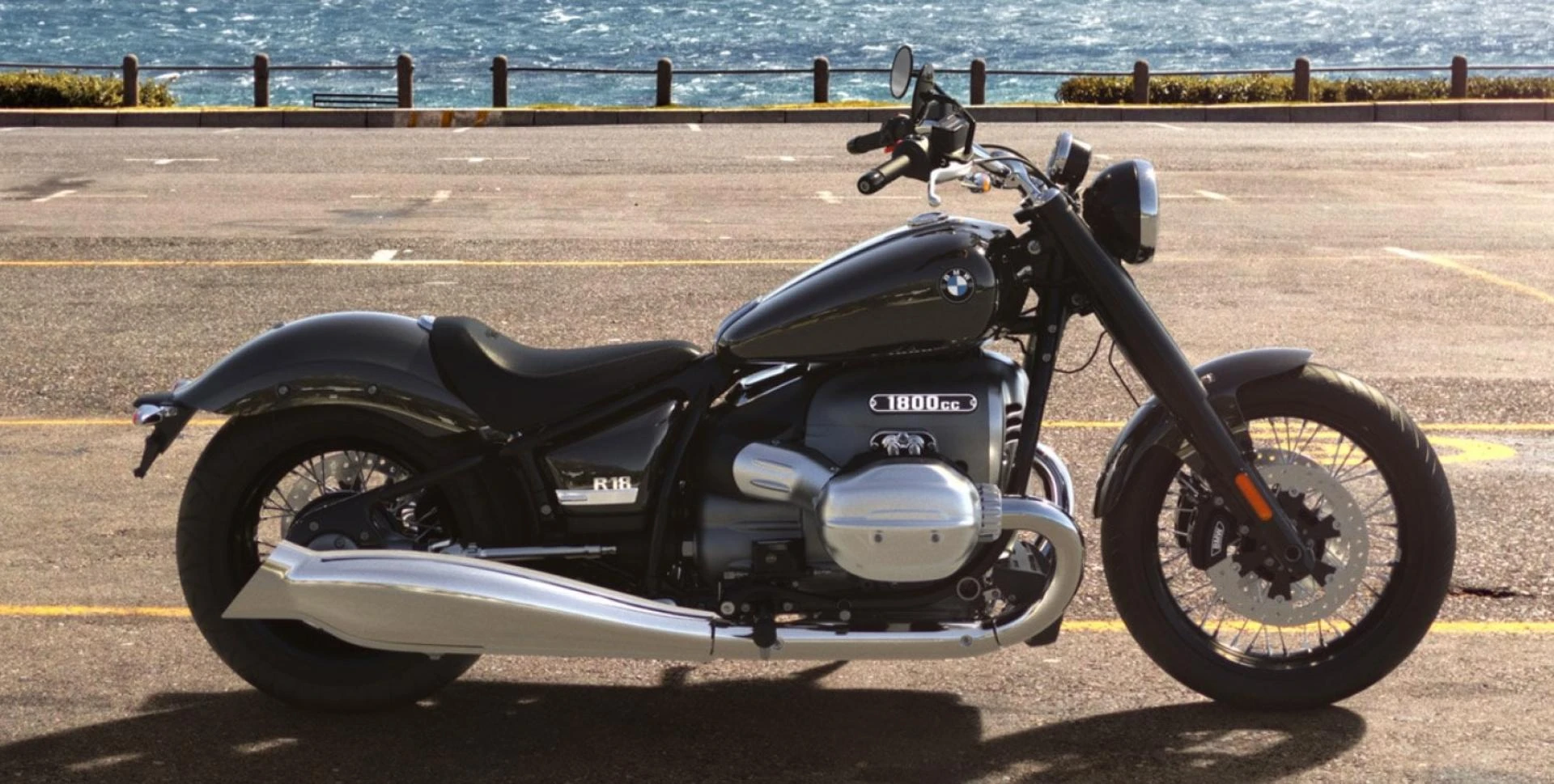
Among the heavyweight options, we also have the BMW R 18. It has a 1,802 cc boxer twin engine. The engines sit horizontally opposed, in a low chassis, maintaining a balanced centre of gravity. It is more focused on strong low-rpm performance allowing for strong highway cruising with little to no effort.
However, it exists alongside other large-capacity cruisers in India, including models from brands like Harley-Davidson and Triumph, each offering their own engine configurations, frame geometry and ride character. The diversity in this segment shows that cruiser engineering is not limited to one philosophy or one manufacturer.
A Broader View of Motorcycle Choice
When examining BMW bikes in India, it becomes clear that cruisers represent just one part of a wider ecosystem that includes adventure tourers, roadsters and sport motorcycles. The same is true for other manufacturers operating in the country.
This diversity reflects how rider expectations have evolved. Some prioritise ground clearance and suspension travel. Others look for sharp throttle response and lean angles. Cruiser riders, by contrast, value torque delivery, highway stability and long-distance composure.
Across brands and segments, the unifying factor is suitability. The right motorcycle depends on how and where it will be used. Big cruisers simply serve a specific purpose - one centred around measured performance rather than maximum output.
Redefining What Performance Means
Performance is often reduced to acceleration numbers and top speeds. But real-world riding demands more than quick bursts. It demands comfort, predictability and mechanical durability.
Big cruisers remain relevant because they deliver these qualities consistently. They transform long highway stretches into steady, manageable journeys. They reward patience rather than aggression.
In the end, motorcycling is not about following trends. It is about choosing a machine that aligns with your riding environment and personal rhythm. For many riders, that rhythm is not frantic. It is calm, torquey and grounded -exactly what a well-engineered cruiser is designed to provide.