The world of entertainment is always evolving, and today’s family fun spaces are no longer just clusters of arcade machines — they are rich, immersive destinations that attract guests of all ages. For Gamezone Devlopers in India, staying ahead of the curve means not just installing games, but creating unforgettable experiences that blend technology, safety, design, and business strategy. As demand for advanced entertainment grows, developers must adapt to emerging trends that are reshaping the industry landscape in 2026 and beyond.
1. Integrated and Hybrid Entertainment Spaces
Gone are the days when a game zone was just a few arcade cabinets in a corner. Modern entertainment zones are hybrid spaces featuring a blend of attractions — from trampoline parks and bowling alleys to VR experiences and thematic soft play areas. This trend reflects consumers’ growing appetite for multi-experience venues where they can spend hours in diverse activities under one roof. Successful developers are designing modular and multi-age play environments that appeal to families, teens, and event groups alike.
2. Immersive Technology Integration
Technology is a driving force transforming entertainment spaces. Augmented Reality (AR), Virtual Reality (VR), and interactive projection systems are no longer futuristic luxuries — they are becoming essential elements in today’s game zones. Incorporating these technologies elevates engagement and offers visitors interactive, immersive experiences they can’t get at home. Forward-thinking Gamezone Devlopers in India who adopt these innovations stand out in a competitive market.
3. Custom Themes and Experiential Design
Consumers today are seeking unique experiences that tell a story or transport them to another world. From space-themed zones to jungle adventures or futuristic realms, themed environments help game zones differentiate themselves. Developers now work closely with clients to craft bespoke layouts that align with the brand identity and target audience of the venue. Tailored design is a powerful tool for boosting footfall and guest retention.
4. Safety, Quality, and Compliance
With families and children being a major part of the audience, safety and quality standards are more important than ever. Credible developers ensure that all equipment meets or exceeds international safety norms. High-grade materials, secure structural designs, and regular maintenance protocols are essential to foster trust and build a loyal customer base. These standards not only protect guests but also enhance brand reputation and lower liability risks.
5. Turnkey and Full-Service Solutions
Entrepreneurs trying to enter the entertainment sector often prefer developers offering turnkey solutions — complete project support from planning and equipment supply to installation and after-sales care. Businesses like exemplify this trend, providing full-service amusement and gaming solutions that simplify execution for clients nationwide.
6. Digital Engagement and Mobile Connectivity
Modern visitors expect seamless digital convenience. Integrating mobile engagement features — such as app-based loyalty, digital bookings, QR code leaderboards, and interactive score tracking — enriches visitor interaction and boosts repeat visits. Smart digital systems also help developers and owners collect valuable data on preferences and peak usage times, aiding strategic decision-making.
7. Sustainability and Eco-Friendly Practices
As businesses become more environmentally conscious, sustainability is emerging as a key differentiator. Developers are exploring energy-efficient lighting systems, recyclable materials, and greener infrastructure to create eco-friendly entertainment venues. These practices reduce operational costs and appeal to environmentally aware customers.
8. Data-Driven Operations
Analytics is becoming integral to optimizing game zones. By tracking visitor behavior, game preferences, and revenue streams, developers can refine layouts, upgrade attractions, and improve pricing models. Data insights help in deciding which games draw attention and how to boost profitability.
9. Collaborative and Strategic Partnerships
Partnerships between developers, real estate players, and mall operators are increasingly common. These collaborations secure prominent locations and shared audiences, enhancing visibility and driving higher footfall. Gamezone developers who foster strategic alliances secure long-term growth and stability.
10. Community Engagement and Competitive Events
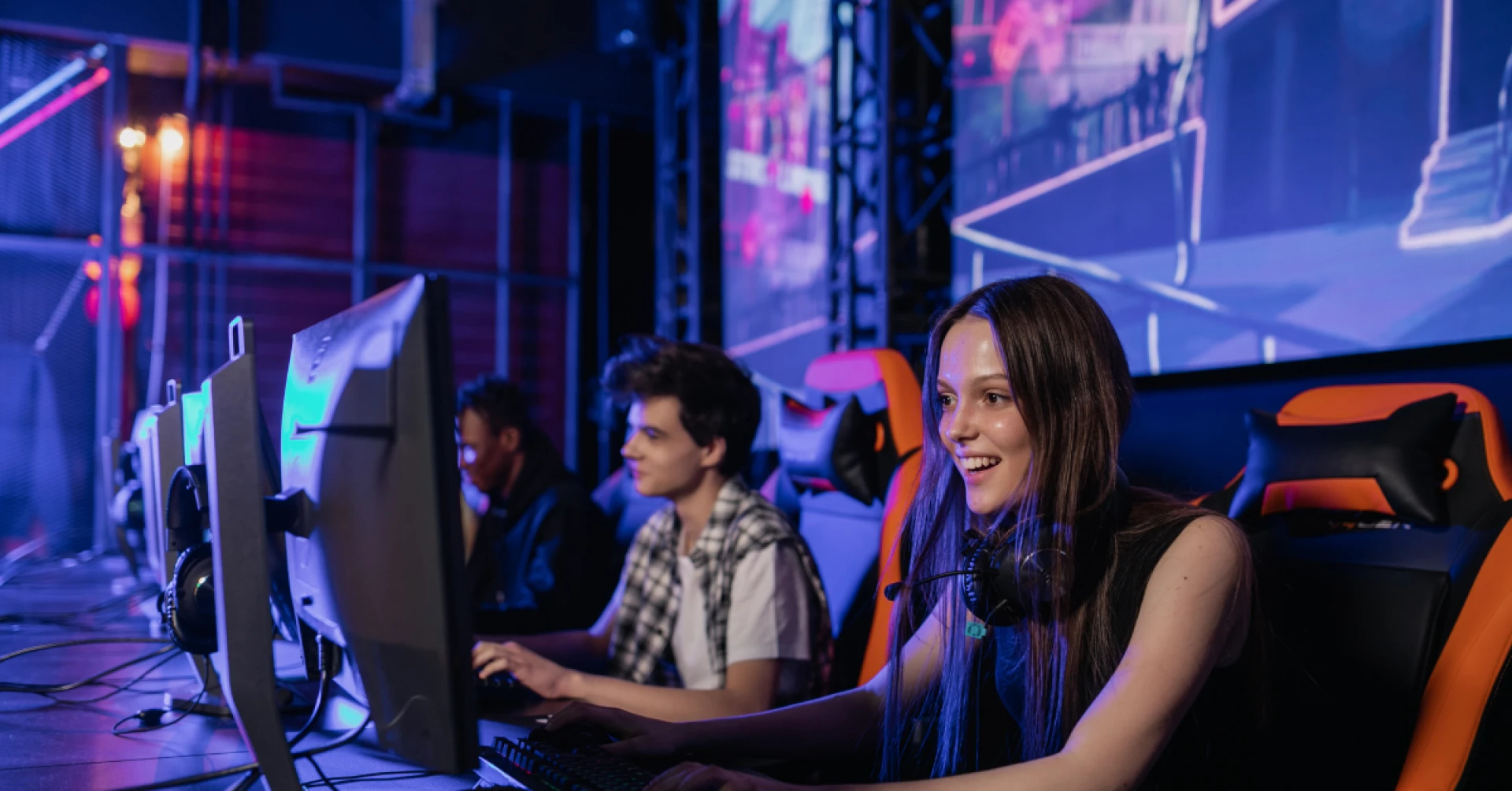
Finally, game zones are evolving into social hubs that host events, competitions, and even esports tournaments. These activities cultivate community engagement and encourage repeat visits. Developers who design flexible event spaces that can adapt from casual play to competitive arenas are primed to succeed.
Conclusion:
For Gamezone Devlopers in India, the future is bright and full of opportunities. Embracing technological innovation, prioritizing immersive experiences, and offering comprehensive turnkey services are key pillars that will define the next generation of entertainment centers. By staying informed and adaptive to trends, developers can build game zones that thrill customers and thrive in a competitive market.