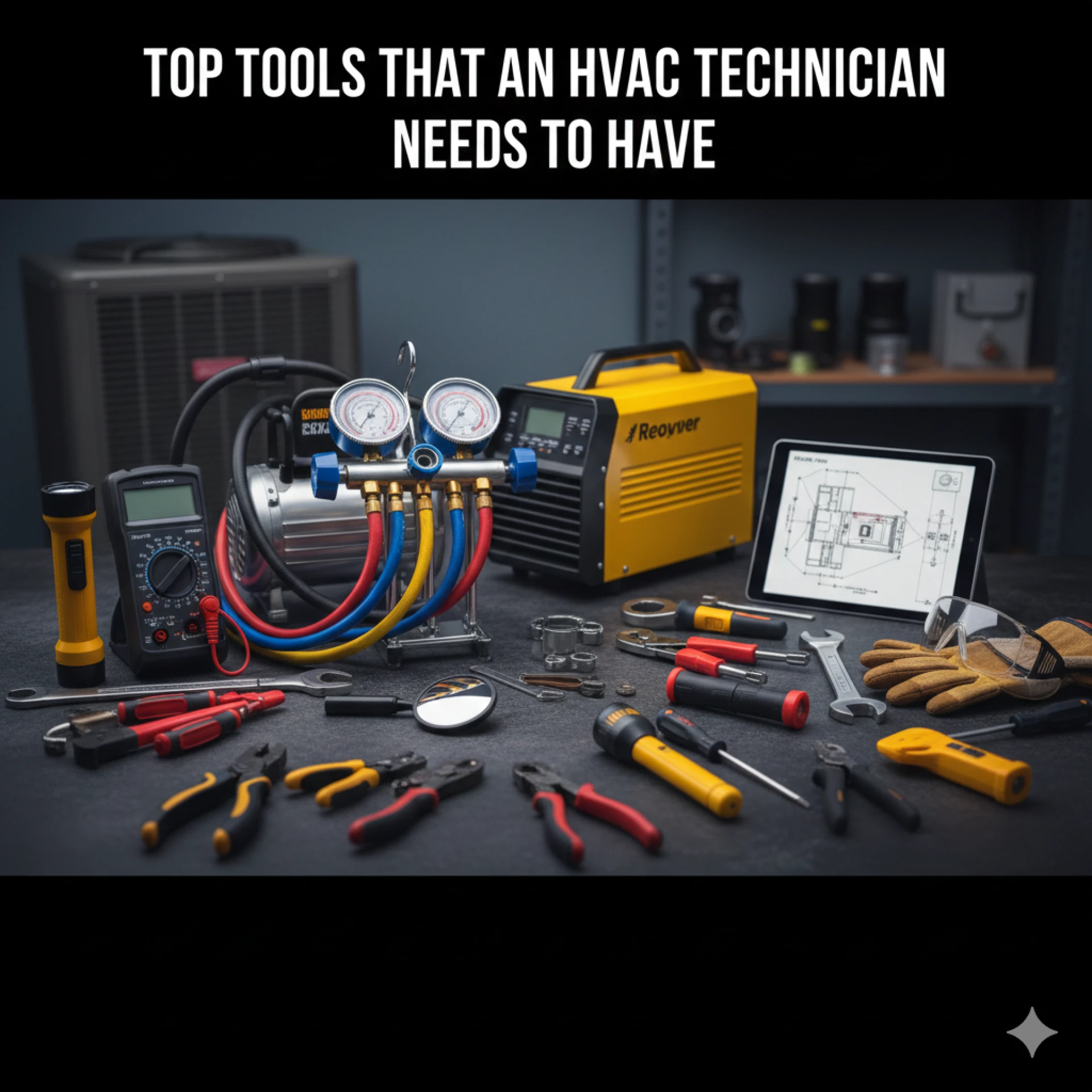
Behind every comfortable home or smoothly running commercial space is an HVAC technician who understands systems, solves problems under pressure, and works with precision. Skill and experience matter, but without the right tools, even the best technician will struggle. HVAC work demands accuracy, safety, and efficiency, often all at once. That is why building the right toolkit is not optional. It is essential.
This blog breaks down the most important tools an HVAC professional should have, explains how each tool supports daily work, and helps you understand how to build a dependable setup over time using the right HVAC technician tools.
Why HVAC Tools Are Different From Regular Tools?
HVAC systems combine electrical circuits, pressurized refrigerants, airflow mechanics, and temperature control. This mix makes the job very different from general mechanical or electrical work. A standard toolbox may handle basic fastening, but it cannot support diagnostics, refrigerant handling, or safety compliance.
Specialized tools allow technicians to work faster and with confidence. They reduce guesswork, help prevent damage to expensive components, and ensure systems operate as designed. A carefully chosen HVAC tools list also improves professionalism, because customers notice when a technician is prepared.
Core Hand Tools Every Technician Relies On
Hand tools form the foundation of HVAC service work. They are used on almost every job, from inspections to full installations.
Screwdrivers and Nut Drivers
HVAC units use different screw types and sizes, often within the same system. Flathead and Phillips screwdrivers are used daily to open panels, secure terminals, and adjust components. Magnetic tips help prevent dropped screws inside units, which can save time and avoid unnecessary disassembly.
Nut drivers are equally important. Many HVAC systems use hex-head screws, especially in access panels and brackets. Nut drivers provide better grip and faster operation than standard screwdrivers, making them indispensable during routine service work.
Pliers and Cutting Tools
Pliers are among the most versatile tools in a technician’s kit. Needle-nose pliers help navigate tight electrical spaces, while lineman’s pliers are used for gripping, twisting, and pulling heavier wires. Side cutters are essential for trimming wires cleanly and safely during electrical repairs.
Locking pliers offer extra control when dealing with stubborn fittings or components that need to be held steady. Together, these tools support nearly every task on a typical technician's tools list.
Adjustable and Fixed Wrenches
HVAC technicians frequently work with fittings of different sizes, especially on refrigerant lines. Adjustable wrenches reduce the need to carry multiple tools and adapt easily to varying nut sizes. Fixed wrenches are still useful for jobs that require a precise fit and extra torque.
Measuring and Diagnostic Tools for Accurate Work
HVAC troubleshooting depends on data. Measuring tools help technicians move from assumptions to informed decisions.
Multimeter
A multimeter is one of the most important tools in HVAC work. It is used to test voltage, current, resistance, and continuity in electrical components. Motors, capacitors, contactors, and control boards all rely on proper electrical function.
Without a multimeter, diagnosing electrical issues becomes risky and unreliable. A quality digital multimeter improves accuracy and enhances safety during testing.
Manifold Gauge Set
Manifold gauges are used to measure refrigerant pressure during charging, recovery, and diagnostics. These readings help technicians evaluate system performance and identify issues such as leaks or improper refrigerant levels.
Proper use of gauges is critical for system efficiency and regulatory compliance. This tool is a core part of AC technician tools, especially for technicians handling refrigerant systems regularly.
Thermometers and Temperature Probes
Temperature readings provide valuable insight into system performance. Technicians use thermometers to check supply and return air temperatures, refrigerant line temperatures, and coil efficiency. Digital probes deliver fast and accurate results, helping technicians make precise adjustments.
Refrigerant Handling and Service Tools
Working with refrigerants requires tools designed for safety, precision, and environmental responsibility.
Vacuum Pump
A vacuum pump removes air and moisture from refrigerant lines before charging a system. Moisture inside the system can cause corrosion, reduce efficiency, and lead to premature component failure. Using a vacuum pump is a standard and critical step in professional HVAC service.
Refrigerant Recovery Machine
Recovery machines safely remove refrigerant from systems during repairs or replacements. This process prevents environmental harm and ensures compliance with regulations. Any complete ac service tools name list should include a reliable recovery machine.
Leak Detection Tools
Refrigerant leaks can reduce system efficiency and increase operating costs. Electronic leak detectors help technicians locate even small leaks quickly, saving time and preventing repeat service calls. This tool improves both accuracy and customer satisfaction.
Electrical Safety and Protective Equipment
HVAC work involves live circuits, sharp edges, and pressurized systems. Safety tools protect technicians and support long-term career health.
Insulated Tools
Insulated screwdrivers and pliers reduce the risk of electrical shock when working near live components. These tools are especially important during diagnostics or emergency repairs where power cannot be fully isolated.
Personal Protective Equipment
Gloves protect hands from sharp metal edges and hot components. Safety goggles shield eyes from debris and refrigerant exposure. Proper footwear improves stability and reduces the risk of slips or injuries on job sites.
Installation and Maintenance Tools That Improve Efficiency
Beyond diagnostics and repairs, HVAC technicians handle installations and ongoing maintenance that require precision.
Tube Cutters and Flaring Tools
Copper tubing is commonly used in HVAC systems. Tube cutters create clean, straight cuts that reduce the risk of leaks. Flaring tools ensure secure connections on refrigerant lines. Poor cuts or flares can compromise system performance, making these tools essential.
Coil Cleaning and Fin Tools
Clean coils are critical for efficient heat exchange. Coil cleaning tools remove dirt, grease, and debris, while fin combs straighten bent fins. Regular maintenance using these tools improves airflow and system efficiency.
Power Drill and Attachments
A power drill speeds up installation work and mounting tasks. With the right attachments, it becomes a versatile tool for drilling, fastening, and minor fabrication. This tool saves time and reduces physical strain during repetitive tasks.
Tool Organization and Portability
Having the right tools means little if they are disorganized or hard to access.
Tool Bags and Kits
A durable tool bag helps technicians stay organized and efficient. Compartments allow quick access to frequently used tools, reducing downtime during service calls. Many professionals prefer assembling a customized air conditioner service tool kit that matches their specific work requirements.
Advanced Tools for Experienced HVAC Professionals
As technicians gain experience, advanced tools help refine diagnostics and improve service quality.
Digital analyzers combine multiple measurements into one device, offering deeper insights into system performance. Thermal imaging tools help identify airflow issues, insulation gaps, and overheating components. While not essential for beginners, these tools are valuable for complex troubleshooting and energy audits.
Building the Right Toolkit Over Time
Not every technician needs every tool immediately. Many start with basic hand tools and essential measuring equipment, then expand their collection as experience grows. The focus should always be on quality, durability, and relevance to the type of work performed.
Residential technicians may prioritize compact, portable tools, while commercial technicians often require heavier equipment and advanced diagnostics. A thoughtful approach to building a toolkit leads to better efficiency, fewer mistakes, and greater confidence on the job.
Conclusion
HVAC technicians work at the intersection of comfort, safety, and technology. The tools they carry directly influence the quality of their work. From hand tools and diagnostic devices to refrigerant handling equipment and safety gear, each tool serves a specific purpose.
A well-equipped technician works faster, safer, and more accurately. By understanding which tools matter most and investing wisely, HVAC professionals can handle diverse challenges with confidence while delivering consistent, high-quality service.