
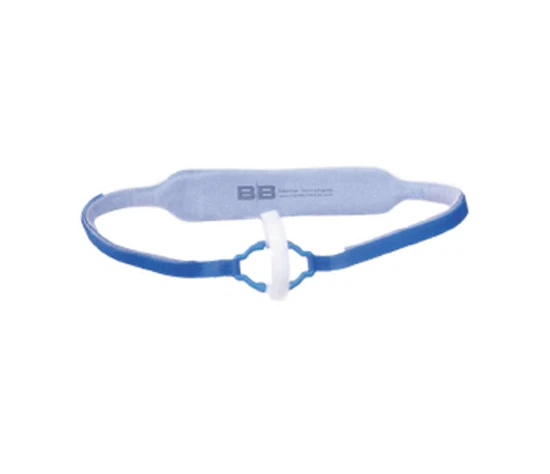
Tracheostomy care stays safer when the interface and securement behave predictably across a full shift. Moisture, secretions, patient movement, and routine handling can change fit and friction in ways that are easy to miss until skin irritation or tube movement appears. Trach Collars and Tracheostomy Tube Holders need a simple, repeatable maintenance routine that protects the skin, preserves stability, and keeps caregivers aligned on what was checked and what changed.
The goal is not to add steps. The goal is to prevent avoidable problems that increase workload later, such as maceration under damp material, strap drift after repositioning, or securement that becomes too tight as neck swelling changes. The tips below focus on practical checks clinicians can complete during routine care, with clear triggers for when a change is needed.
Daily Maintenance Checklist for Trach Collars and Tracheostomy Tube Holders
Start With Skin and Moisture at Contact Points
Begin with the skin that sits under contact surfaces. Look for blanching, redness that persists, weeping, or areas that feel soft and waterlogged. Moisture can build quickly from humidified gases, secretions, and perspiration, so a dry, clean contact surface matters as much as the securement itself.
If the area is damp, dry it gently and replace any material that cannot be dried in place. If a dressing is used, confirm it is not bunching, rolling, or trapping secretions against the skin. Document the finding so the next clinician knows whether redness is new or improving.
Confirm Securement Tension After Repositioning
Securement should hold position without digging into the neck or jawline. After a turn, linen change, or chair transfer, recheck tension and alignment because small pulls on the tubing can change the strap balance. A quick check is to confirm the tracheostomy tube sits centered and that the strap lies flat without twisting.
If the patient has edema, reassess more often. Swelling can increase pressure under a strap even when it looked appropriate earlier. A consistent tension check prevents silent progression from mild indentation to skin breakdown.
Keep Interfaces Clean Without Leaving Residue
Cleaning should remove secretions and oils without leaving residue that increases friction. Use your unit protocol for cleaning and drying. Pay attention to areas where secretions collect because these areas tend to stay damp and can irritate skin.
If any surface becomes stiff, tacky, or visibly soiled, replace it rather than trying to extend wear. A fresh, dry surface improves comfort and reduces shear during head movement.
Watch for Drift in Fit During the Shift
Fit can change as the patient coughs, talks, moves, or receives care. Check for gradual strap migration, shifting contact points, or a change in where pressure is felt. These patterns often show up before obvious redness.
A practical approach is to compare the current contact point to the last documented contact point. If the contact area has moved, identify why, correct the cause, and document the adjustment.
Use a Clear Replacement Trigger
Replacement decisions should be tied to specific findings, not to guesswork. Replace the interface or securement when you see persistent moisture that cannot be controlled, loss of elasticity, loss of adhesion or grip, visible soiling that cannot be cleaned, or skin changes that worsen despite repositioning and drying.
B&B Medical Technologies Support for Tracheostomy Care Workflows
B&B Medical Technologies supports respiratory care teams with products designed for daily tracheostomy workflows, where moisture control, skin protection, and stable securement determine comfort and safety over time. The company’s respiratory portfolio is built around the practical problems clinicians manage every shift, including damp contact points that lead to maceration, securement drift after repositioning, and fit changes that occur as edema and secretion burden fluctuate.
Within this work, B&B Medical Technologies designs components such as Trach Collars with predictable contact behavior and Tracheostomy Tube Holders that support stable positioning without creating avoidable skin loading. Clear, repeatable checks and straightforward replacement triggers help teams standardize care, document changes cleanly, and maintain consistent tracheostomy support across handoffs.
Frequently Asked Questions
How often should a tracheostomy collar interface be checked during a shift?
A tracheostomy collar interface should be checked during routine care and after events that change fit, such as suctioning, repositioning, linen changes, and transfers. Focus on moisture at contact points and early skin changes.
What skin findings suggest tracheostomy securement needs adjustment or replacement?
Tracheostomy securement often needs adjustment or replacement when redness persists after pressure relief, when skin becomes soft and waterlogged, when there is weeping, or when indentation deepens over time. Document findings to track progression across shifts.
What is the most common reason securement becomes too tight later in the shift?
Securement often becomes too tight when edema increases or when the strap position shifts after handling. Rechecking tension after repositioning helps prevent pressure buildup that can be missed during busy care periods.
How can clinicians reduce friction and shear under tracheostomy interfaces?
Reducing friction starts with keeping contact surfaces clean and dry, replacing damp material, and ensuring straps lie flat without twisting. Moisture control is critical because wet skin breaks down faster under load.
What should be documented during tracheostomy interface and securement checks?
Document skin condition at contact points, moisture level, strap position and tension, any adjustments made, and the reason for replacement if performed. Clear documentation supports faster, safer handoffs.