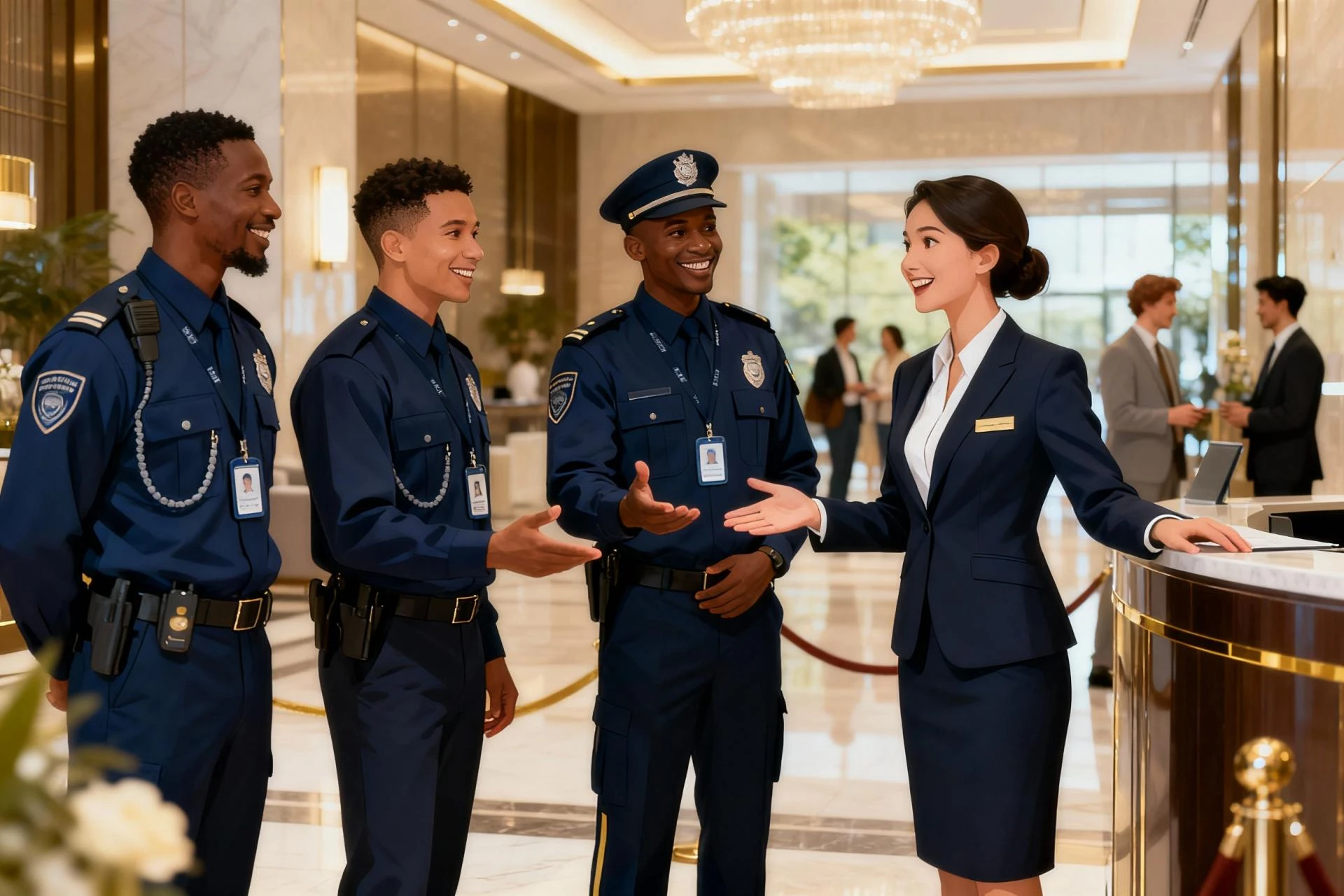
In today’s rapidly evolving landscape, working in protection and guest-oriented roles in the United States involves far more than simply standing guard. Modern security officers and guest-care professionals are responsible not just for safety, but also for enhancing the experience of every visitor, customer, or resident. Success in these jobs comes from a balanced combination of technical training, regulatory compliance, interpersonal abilities, and a keen understanding of evolving technology.
Foundational Skills: The Groundwork for Success
Communication and Customer Service
Strong communication remains the hallmark of all guest-service roles. Security staff must greet guests, provide clear directions, and de-escalate tense situations with diplomacy. In busy hotels, office buildings, event venues, or residential complexes, customer service training helps professionals remain courteous while upholding firm policies.
Situational Awareness and Observation
Being vigilant and proactive is critical for protection roles. Security professionals constantly scan their environment, noticing subtle changes in body language, visitor patterns, or property conditions. This heightened situational awareness is central to identifying potential risks early and responding effectively.
Integrity and Professionalism
Trustworthiness and ethical conduct are fundamental. Security and guest-care professionals regularly handle sensitive situations, confidential information, access controls, and valuable property. Exhibiting consistent honesty, reliability, and discretion builds customer trust and strengthens a team’s reputation.
Regulatory and Technical Training
Entering the security profession in the USA starts with formal education—specifically through security guard certification training. States require pre-assignment courses covering core topics: powers and limitations, emergency protocols, conflict management, use of force, and documentation. Courses may range from 8 to 40 hours, with both classroom learning and hands-on practice.
Ongoing annual training updates ensure guards are current with law changes, new threats, and technology advances. Some states also require continuing education or specialized refreshers for those working in sensitive locations such as airports, healthcare facilities, or public events.
The Importance of a Security Guard License
After successfully completing authorized training, candidates must apply for a security guard license in their state. The requirements differ by region, but typically include background checks, fingerprinting, and sometimes psychological evaluation. Obtaining this license is non-negotiable—it demonstrates that the holder meets essential legal, ethical, and safety standards.
Active licensure requires adherence to regulations, timely renewal, and maintaining a record free of serious criminal convictions. For armed positions, extra firearm safety and legal-use training are mandatory.
Advanced and Emerging Skills
Technology Proficiency
Modern protection roles demand familiarity with surveillance cameras, electronic access control systems, alarm panels, and handheld communication devices. As businesses and public spaces adopt more advanced security technologies—including AI-powered monitoring, biometric scanners, and mobile incident reporting—security pros must learn to operate and troubleshoot new systems quickly.
Conflict Resolution and De-Escalation
Security and guest-care jobs frequently involve handling disputes, misunderstandings, or noncompliance. The best professionals possess strong de-escalation abilities, remaining calm under pressure and applying strategic communication to resolve issues before they escalate.
Emergency Preparedness
Being prepared for fire, medical emergencies, severe weather, or threats is essential. Security guards train extensively in protocols for evacuation, first aid/CPR, and how to assist police or medical crews onsite. Confidence under stress ensures safety for guests and co-workers.
Soft Skills and Guest Experience
Today’s top security and guest-care professionals view their work as a form of hospitality. This means showing respect to everyone, practicing active listening, and adapting to diverse cultures and needs—especially in settings like hotels, airports, or entertainment venues where customer experience directly influences the business.
Career Growth Through Specialized Training
As industries evolve, so do opportunities for advancement. Emergency response, event security, healthcare protection, executive/celebrity protection, and security management all offer rewarding career paths. Achieving certifications beyond the entry-level license, such as Certified Protection Officer (CPO) or Physical Security Professional (PSP), signals advanced expertise and opens doors to higher responsibility and better pay.
Continuous Improvement
Modern security professionals never stop learning. Ongoing self-development in both technical topics and interpersonal abilities keeps staff agile in the face of new challenges, regulations, and technologies.
Conclusion
To excel in modern protection and guest-care roles in the USA, candidates must blend rigorous security guard certification training with real-world people skills and adaptability. Maintaining a security guard license is not just a legal prerequisite; it’s a symbol of responsibility, credibility, and professionalism. Those committed to learning, growth, and attentive service will continue to thrive in these essential, people-focused careers.