
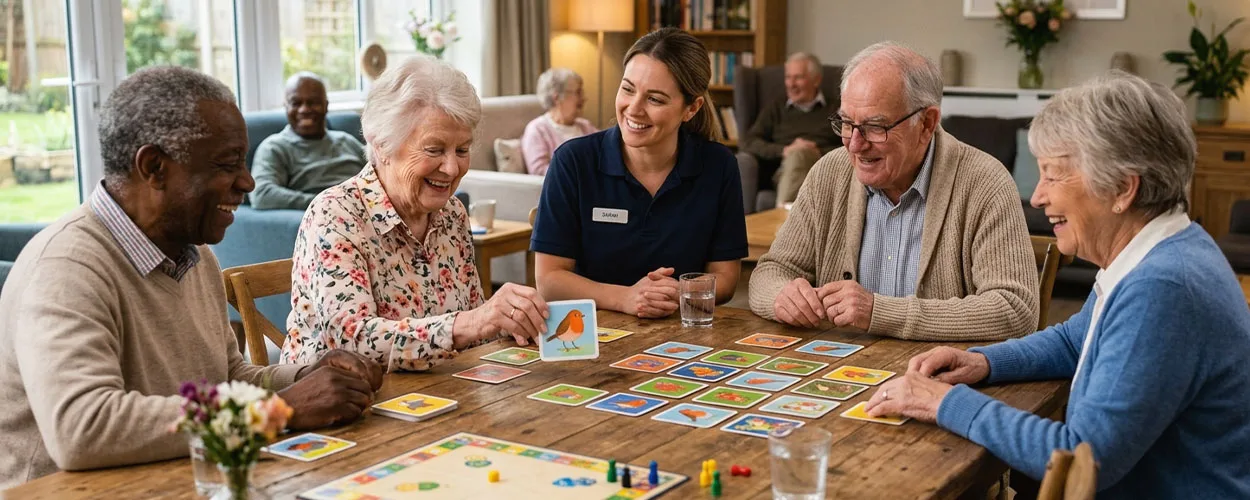
Memory loss is one of the most common challenges faced by seniors with dementia, but regular mental stimulation can help slow cognitive decline and improve daily functioning. One of the most effective and enjoyable ways to support brain health is through daily memory games. At STAR Capital, the focus is on combining compassionate care with simple, engaging activities that keep seniors mentally active and emotionally supported.
Why Memory Games Matter for Dementia Care
Memory games play an important role in dementia care because they help stimulate the brain and support cognitive functioning in a gentle and engaging way. For seniors living with dementia, regular mental activities such as matching games, puzzles, and word recall exercises can help strengthen memory pathways, improve attention, and slow down cognitive decline. These activities also encourage communication and social interaction, which can reduce feelings of isolation and anxiety. Beyond cognitive benefits, memory games provide emotional comfort by creating moments of familiarity and success, helping seniors feel more confident and connected to their surroundings.
Best Daily Memory Games for Seniors with Dementia
Matching Card Games
Simple card matching helps strengthen recognition skills and improves visual memory. It’s easy to play and can be adjusted based on difficulty.
Picture Recall Activities
Showing familiar images and asking seniors to recall names, places, or events helps activate long-term memory.
Word Association Games
These games encourage communication and help maintain language skills by connecting related words.
Puzzle Solving
Jigsaw puzzles or shape-based puzzles support problem-solving abilities and improve concentration.
Music Memory Games
Playing familiar songs and asking seniors to identify them can trigger strong emotional and memory responses.
How to Make Memory Games More Effective
Keep sessions short and stress-free
Limit activities to 10–20 minutes to avoid fatigue, confusion, or frustration. A calm and relaxed environment helps seniors stay engaged and comfortable.
Use familiar objects and topics
Choose items, pictures, songs, or memories from their past. Familiarity triggers recognition and helps improve emotional connection and participation.
Encourage participation without pressure
Allow seniors to respond at their own pace. Avoid correcting mistakes; instead, gently guide them to reduce anxiety and build confidence.
Repeat activities regularly
Repetition strengthens familiarity and cognitive engagement. Repeating simple games with slight variations helps reinforce memory pathways.
Offer positive reinforcement
Use praise, smiles, and encouragement to motivate participation. Positive feedback boosts confidence and creates a supportive atmosphere.
Focus on engagement, not performance
The main goal is not getting answers right but promoting interaction, enjoyment, and mental stimulation.
Conclusion
Daily memory games are a simple yet powerful way to support seniors living with dementia. They help maintain cognitive abilities, improve mood, and encourage social connection. With consistent practice and compassionate care, seniors can experience a better quality of life. STAR Capital continues to focus on combining expert care with engaging activities that truly make a difference in dementia support.