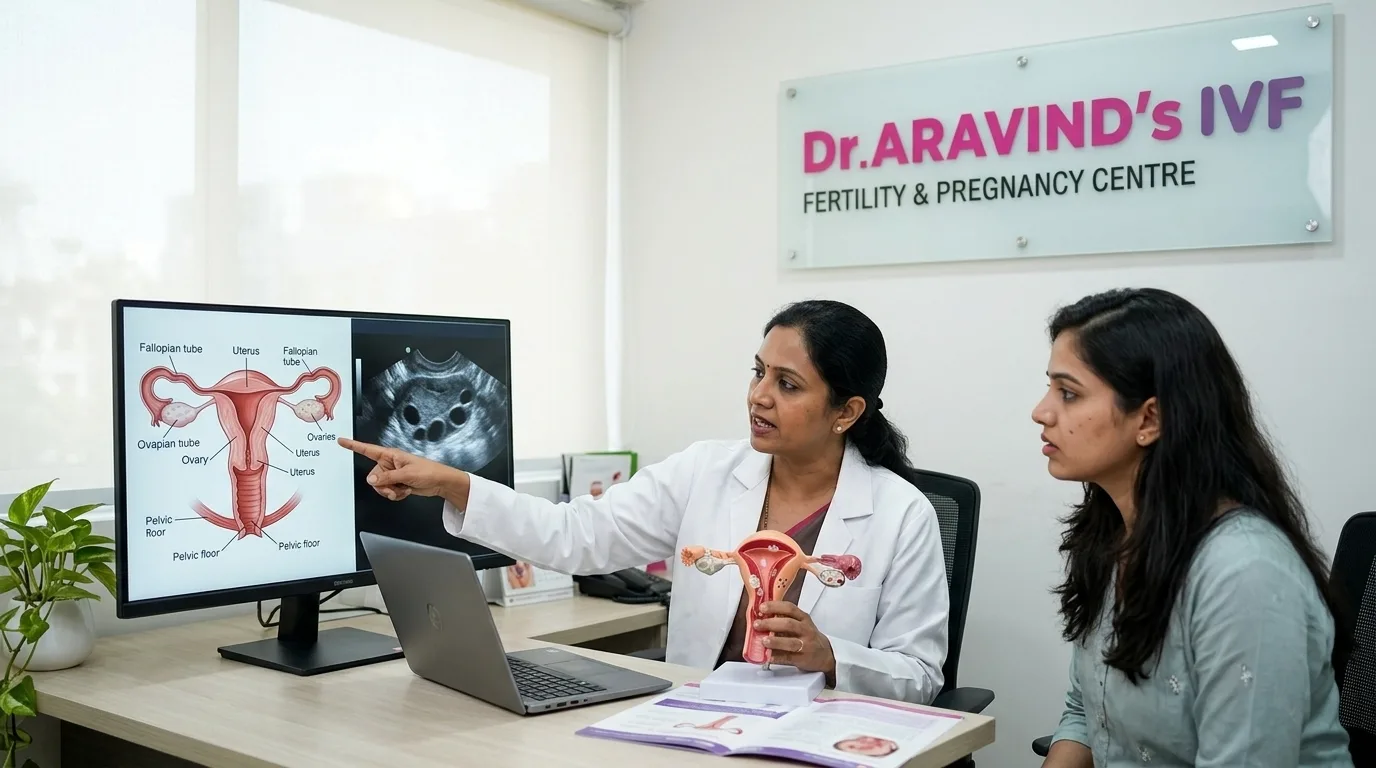
When couples think about fertility, they often focus on ovulation, hormones, egg quality, and sperm health. However, the health of the pelvis and reproductive organs is equally important. Conditions affecting the uterus, fallopian tubes, ovaries, or surrounding tissues can sometimes influence the ability to conceive.
Pelvic health is a broad area that includes the organs and tissues involved in reproduction as well as the muscles and structures supporting the pelvic region. Certain medical conditions may have a direct impact on fertility, while others may cause symptoms without affecting the ability to become pregnant.
If you are searching for a Top Fertility Hospital in Palakkad, understanding how pelvic health relates to reproductive function can help you recognize possible warning signs and seek timely medical advice.
What Does Pelvic Health Mean?
Pelvic health involves the well-being and proper functioning of structures located in the lower part of the abdomen and pelvis.
For women, this includes:
- Uterus
- Ovaries
- Fallopian tubes
- Cervix
- Pelvic floor muscles
These structures play different roles in reproduction.
The ovaries release eggs, the fallopian tubes provide the usual pathway where fertilization occurs, and the uterus supports implantation and pregnancy.
A problem affecting any of these areas may sometimes influence fertility.
Conditions That Can Affect Reproductive Health
Several pelvic conditions may be associated with difficulty conceiving.
Endometriosis
In endometriosis, tissue that closely resembles the uterine lining is found growing beyond the uterus.
It may cause:
- Pelvic pain
- Painful periods
- Pain during intercourse
- Difficulty conceiving
In some women, endometriosis may affect the ovaries, fallopian tubes, or surrounding pelvic structures.
Fibroids
Uterine fibroids are harmless growths that arise in or around the uterine wall.
Many women with fibroids conceive naturally, but certain fibroids, particularly those that affect the uterine cavity, may interfere with implantation or pregnancy.
Pelvic Infections
Some untreated pelvic infections can lead to inflammation and scarring of the fallopian tubes.
This may increase the risk of tubal blockage, which can make natural conception more difficult.
Early diagnosis and appropriate treatment of infections are important for protecting reproductive health.
Adenomyosis
Adenomyosis occurs when tissue similar to the uterine lining grows into the muscular wall of the uterus.
It may be associated with heavy menstrual bleeding, painful periods, and fertility difficulties in some women.
The impact varies between individuals and requires personalized evaluation.
How Do Blocked Fallopian Tubes Affect Fertility?
The fallopian tubes play an important role in natural conception.
Following ovulation, the egg enters the fallopian tube, where fertilization usually takes place before the developing embryo travels to the uterus.
If one tube is blocked, natural pregnancy may still be possible if the other tube is healthy and ovulation occurs appropriately.
If both tubes are completely blocked, sperm and egg cannot meet naturally.
A fertility specialist may recommend tests such as an HSG or other appropriate investigations to assess tubal health.
Can Pelvic Pain Be a Sign of a Fertility Problem?
Pelvic pain does not always indicate infertility.
However, persistent or severe pain should not be ignored, especially when it is associated with:
- Very painful periods
- Pain during intercourse
- Chronic pelvic discomfort
- Heavy menstrual bleeding
- Unusual vaginal discharge
- Recurrent pelvic infections
These symptoms may be associated with conditions such as endometriosis, fibroids, adenomyosis, or pelvic infections.
A medical evaluation can help identify the cause rather than assuming that pain is simply a normal part of menstruation.
Pelvic Floor Health and Pregnancy
The pelvic floor consists of muscles that support organs within the pelvis.
Although pelvic floor function is not usually a direct cause of infertility, maintaining pelvic health is important for overall reproductive and pregnancy-related well-being.
Pelvic floor problems may contribute to:
- Pelvic discomfort
- Urinary symptoms
- Pain during intercourse
- Difficulties during pregnancy or after childbirth
Women with persistent pelvic symptoms may benefit from appropriate medical evaluation and, when recommended, pelvic floor physiotherapy.
How Is Pelvic Health Evaluated?
A fertility evaluation may include several investigations depending on the individual's symptoms and medical history.
These may include:
- Pelvic ultrasound
- Transvaginal ultrasound
- Hormonal testing
- Ovarian reserve assessment
- HSG for tubal evaluation
- Hysteroscopy when indicated
- Additional imaging or tests when necessary
The purpose is to understand the reproductive organs and identify any conditions that may influence conception or pregnancy.
When Should You Seek Fertility Care?
You should consider consulting a fertility specialist if you:
- Your efforts to conceive have not resulted in pregnancy.
- Your periods are extremely painful
- You experience persistent pelvic pain
- You have a history of pelvic infections
- You have been diagnosed with endometriosis
- You have uterine fibroids or adenomyosis
- You have undergone previous pelvic surgery
- Medical evaluation suggests that your fallopian tubes may be blocked.
Getting evaluated early may help uncover conditions for which treatment is available.
Can IVF Help With Certain Pelvic Conditions?
IVF may be considered in selected situations.
For example, when both fallopian tubes are blocked, IVF can bypass the tubes by fertilizing the egg in a laboratory and transferring the resulting embryo into the uterus.
However, IVF is not automatically the right treatment for every pelvic condition.
The recommended approach depends on:
- Age
- Ovarian reserve
- Tubal health
- Uterine condition
- Sperm quality
- Duration of infertility
- Previous treatments
A personalized evaluation is therefore essential before deciding on treatment.
Conclusion
Pelvic health is an important part of reproductive well-being. Conditions such as endometriosis, fibroids, adenomyosis, pelvic infections, and tubal blockages may affect fertility in some women, but the impact varies significantly from person to person. Not every pelvic condition leads to infertility, and many can be managed with appropriate medical care.
If you are searching for a Top Fertility Hospital in India, timely evaluation can help identify possible pelvic factors affecting conception. Whether you need medical treatment, surgical management, or assisted reproduction, the right approach depends on your individual diagnosis and reproductive goals. Book an Appointment with a fertility specialist to discuss your pelvic health and understand the fertility options that may be suitable for you.
Frequently Asked Questions
1. Can pelvic health problems cause infertility?
Certain pelvic conditions, such as blocked fallopian tubes, severe endometriosis, or some uterine abnormalities, may affect fertility. However, not every pelvic condition causes infertility.
2. Can pelvic infections affect future fertility?
Some untreated pelvic infections may cause inflammation and scarring of the fallopian tubes, potentially affecting natural conception.
3. Does pelvic pain always mean infertility?
No. Pelvic pain can have many causes and does not automatically indicate infertility. Persistent or severe pain should be evaluated by a healthcare professional.
4. Can IVF help if both fallopian tubes are blocked?
Yes. IVF can bypass the fallopian tubes by fertilizing eggs in a laboratory and transferring an embryo into the uterus.
5. When should I consult a fertility specialist about pelvic health?
Consider seeking advice if you have persistent pelvic pain, very painful periods, a history of pelvic infection, endometriosis, fibroids, or difficulty conceiving.