
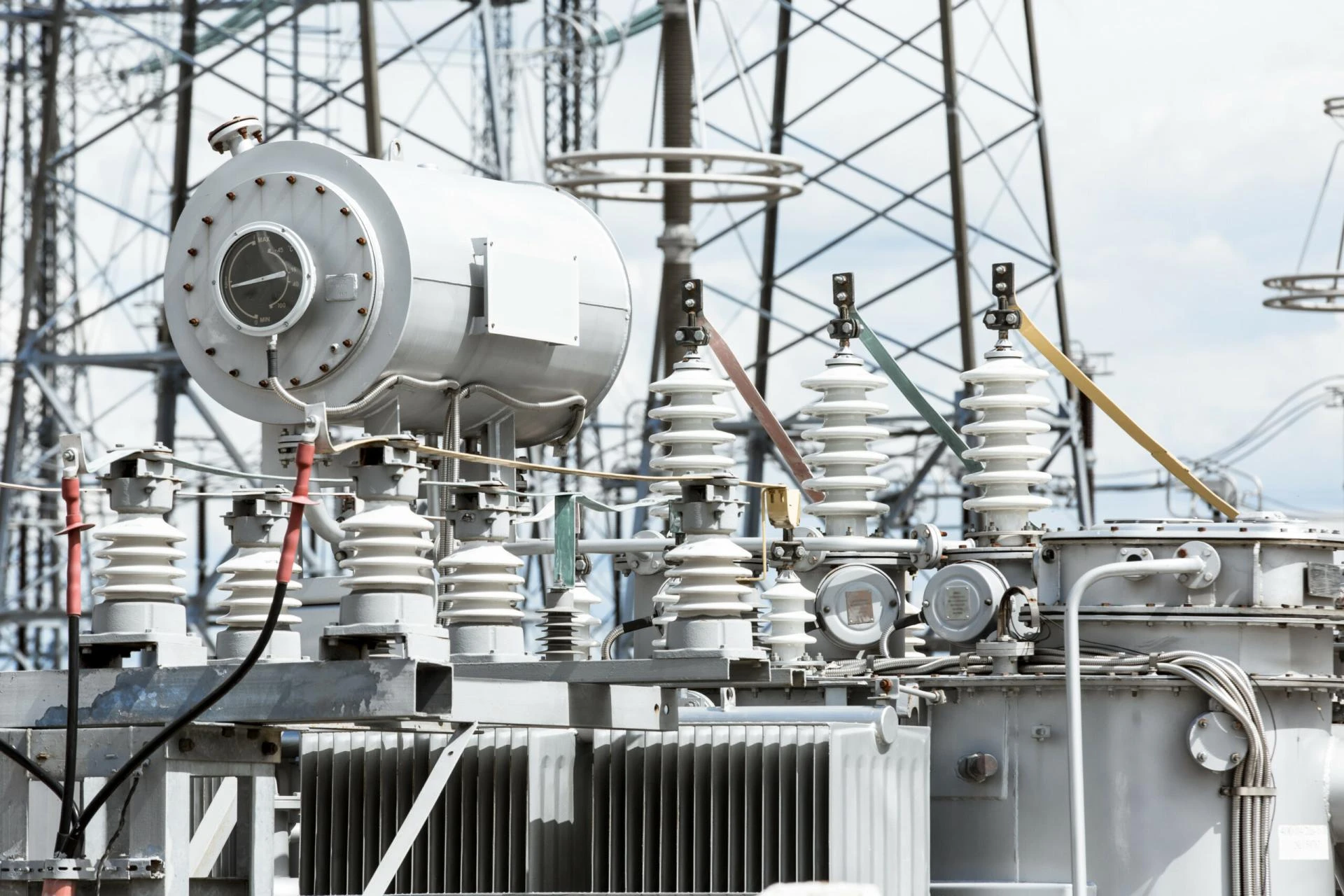
Metering current transformers play a crucial role in ensuring the accurate measurement of electrical current in various industrial and commercial applications. Their purpose is to provide reliable readings for the metering equipment and protective relays, making them indispensable in power distribution networks. The accuracy of these transformers directly impacts energy measurement, billing, and the overall functionality of electrical systems. This blog outlines the key features you need in metering current transformers to ensure high precision and reliability.
1. High Accuracy Class for Precise Measurements
One of the most essential features of metering current transformers is their accuracy class. These transformers are rated based on their ability to accurately convert high currents to lower, measurable values without introducing significant errors. High accuracy is vital, especially when dealing with systems that require precise energy measurement for billing or efficiency monitoring. Transformers that meet the highest accuracy class standards, such as 0.2S or 0.5S, guarantee minimal error margins, ensuring that the system's performance remains reliable and trustworthy.
2. Wide Range of Rated Currents
The flexibility in current range is another critical factor. Metering current transformers should be capable of handling various levels of electrical current without compromising accuracy. A wide range of rated currents ensures that the transformer can be utilized across different applications, from residential setups to large industrial installations. This flexibility allows the device to cater to varying load conditions, making it adaptable to different system needs. It's essential to choose a transformer that can cover the full scope of current demands in the system.
3. High Insulation Resistance
High insulation resistance is crucial in preventing electrical faults and protecting the metering equipment from damage. Transformers with excellent insulation properties ensure that the system operates efficiently and safely, even in harsh environmental conditions. A transformer with a strong insulation resistance prevents leakage currents that can cause inaccuracies in readings or even lead to electrical hazards. The insulating material used in the transformer should be durable and capable of withstanding environmental stresses, ensuring longevity and reducing the need for frequent maintenance.
4. Durable Construction for Long Lifespan
Metering current transformers are installed in critical infrastructure, and their durability is paramount to ensure long-term, trouble-free operation. The construction of the transformer should be robust, with materials that resist wear and tear over time. High-quality metals, epoxy resins, and other resilient materials ensure that the transformer can endure environmental exposure and mechanical stresses. Choosing a transformer with strong construction guarantees that the system remains operational, even under adverse conditions, and minimizes the risk of system failure or breakdown.
5. Low Burden for Minimal Power Loss
The burden of a transformer refers to the load it places on the circuit, affecting its efficiency and power loss. Low burden transformers are preferable, as they consume less energy for operation, ensuring that most of the power is accurately transferred for metering purposes. A transformer with low burden characteristics helps reduce overall system losses, which is particularly important in applications where energy efficiency is a concern. Lower power loss not only improves operational efficiency but also contributes to the system's cost-effectiveness in the long run.
6. Compliance with International Standards
It's important to ensure that the metering current transformers meet international standards, such as IEC 60044 or ANSI C57.13. These standards ensure that the transformers are manufactured to the highest levels of quality, safety, and performance. Compliance with such standards guarantees that the transformer operates reliably within its designated parameters and can be safely integrated into existing systems. Transformers that comply with international regulations also provide assurance to operators that they are using equipment that meets rigorous testing and safety criteria.
7. Compact Design for Easy Installation
Metering current transformers should have a compact design that allows for easy installation in various electrical setups. A well-designed transformer saves space and ensures that it can be easily integrated into both new and existing systems. Ease of installation also reduces the labor costs associated with setting up metering equipment. A compact design is especially beneficial in environments where space is limited, such as control panels or distribution boards.
8. Temperature Stability
Temperature fluctuations can affect the accuracy of current transformers. Transformers with high-temperature stability can function accurately across a wide temperature range, ensuring that external conditions do not interfere with performance. These transformers should be designed to handle high temperatures without causing distortion in the measurements or failing prematurely. This characteristic is especially important in industrial environments where temperature variations are common.
9. Effective Shielding to Minimize Electromagnetic Interference (EMI)
Electromagnetic interference can distort the performance of metering equipment, leading to inaccurate readings. To prevent this, it’s essential to use metering current transformers with effective shielding. High-quality shielding materials protect against external electromagnetic fields, ensuring that the transformer provides accurate measurements regardless of nearby electrical disturbances. Proper shielding enhances the transformer’s overall performance and reliability in challenging environments.
The End:
Metering current transformers are essential for accurate energy measurement in electrical systems. To ensure high reliability and precision, it's crucial to select a transformer with the right features, such as high accuracy class, durability, and low burden. Ensuring these features will help maintain the efficiency and safety of your electrical infrastructure. If you're looking for transformers for critical installations, consider exploring options that meet these essential specifications. Also, understanding the differences between metering current transformers and standard current transformers can help you choose the best equipment for your needs.