Healing doesn't necessarily have to be violent or noisy. Progress can sometimes start underneath the surface.
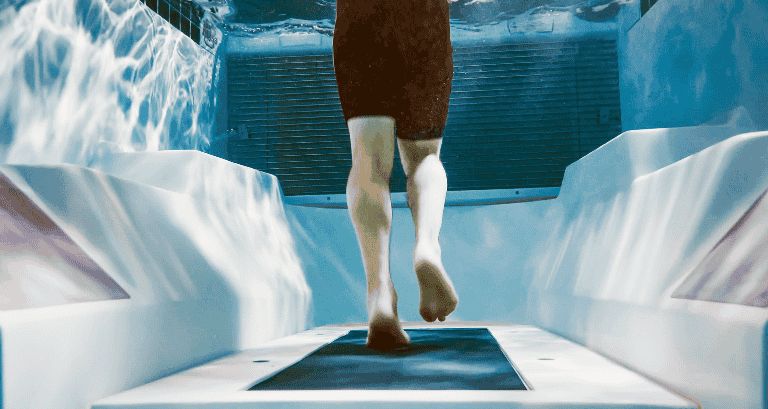
Rehabilitation can be depressing when every movement is uncomfortable. That feeling is completely altered by an underwater treadmill. It provides a smarter and more peaceful way of regaining strength and self-assurance by combining deliberate walking with the mild resistance of water. This therapeutic approach is redefining healing whether it is used in a swim spa or next to indoor and outdoor swimming pools.
A Kinder Way to Move Again
Reduced joint tension is one of the major benefits of underwater treadmill. Water relieves pressure on the hips, knees, ankles, and spine by supporting body weight. Patients can now walk normally without worrying about discomfort or instability. This support can help restore consistent movement for arthritis management or post-surgery recovery.
Strength Builds Without Strain
Water never feels harsh, but it resists every movement. This resistance works muscles more evenly when compared to walking on land. As a result, patients gradually regain their power and stamina without experiencing the pain that frequently follows conventional therapy. Over time, joints are protected while muscles adapt with improved tone and control.
Balance Improves With Confidence
Muscles are not the main aspect of rehabilitation. It also involves having faith in your own movement. An underwater treadmill's stable environment promotes improved coordination and posture. Patients frequently find it easier to adjust their walking patterns because falls are much less likely in water. This self-assurance extends to day-to-day activities on land.
Cardiovascular Progress Without Overload
Intense exercise is rarely an option, but heart health is important during rehabilitation. Walking underwater gradually increases heart rate, which enhances lung function and circulation without taxing the body. This makes it appropriate for people with chronic illnesses, sportsmen recovering from injuries, and elderly adults.
Versatile Therapy In Modern Aquatic Spaces
Underwater treadmills are no longer exclusive to medical facilities. They are now easily incorporated into many swim spa designs, and sophisticated indoor and outdoor swimming pools are being made specifically for use in rehabilitation. Because of this flexibility, therapy can take place in peaceful, quiet settings that encourage comfort and consistency.
Why Patients Stay Committed
Motivation is perhaps the most underappreciated advantage. Working out in the water feels revitalizing rather than draining. Patients frequently start looking forward to their sessions rather than avoiding them. Long-term recovery success is significantly influenced by that optimistic outlook.
Where Recovery Finds Its Rhythm
Punishment should never be a part of rehabilitation. An underwater treadmill provides a well-considered combination of certainty, challenge, and support. Recovery becomes less about constraints and more about steady progress in the serene environment of a swim spa or specially designed indoor and outdoor swimming pools. Healing comes easily once movement is once again feasible.
Frequently Asked Questions
Is an underwater treadmill suitable for all ages?
Yes. Underwater treadmills are commonly used for children, adults, and seniors. The water’s support reduces injury risk, making it adaptable for different fitness levels and rehabilitation goals.
How does water depth affect rehabilitation results?
Deeper water increases body weight support and reduces joint impact. Shallower water adds more resistance. Therapists adjust depth to match recovery stages and physical comfort.
Can athletes benefit from underwater treadmill therapy?
Absolutely. Athletes use underwater treadmills to maintain conditioning during injury recovery while protecting joints, improving stride efficiency, and rebuilding strength without delaying healing.
Is it effective for neurological rehabilitation?
Yes. The controlled environment helps patients with neurological conditions improve balance, coordination, and walking patterns while feeling safer than on land based equipment.
How often should sessions be done for visible improvement?
Most patients benefit from two to four sessions weekly. Consistency matters more than intensity, allowing gradual improvement without overloading muscles or joints.