
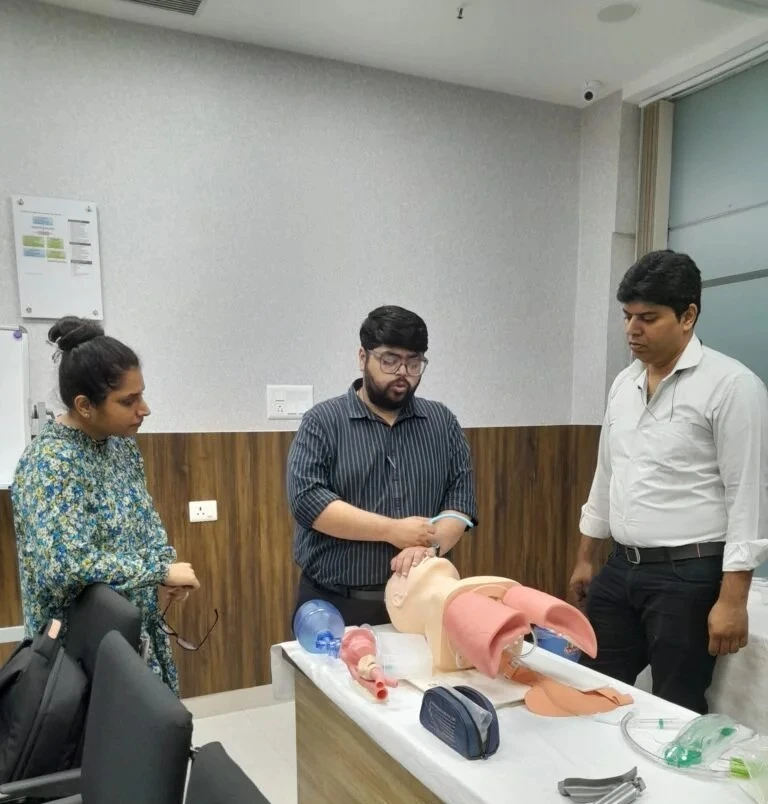
Advanced Cardiac Life Support (ACLS) is a critical set of clinical guidelines and interventions designed to improve patient outcomes during cardiac emergencies. For healthcare professionals, mastering ACLS (Advanced Cardiac Life Support) protocols is not just about following steps—it’s about delivering rapid, precise, and effective patient care when every second counts. At NIAC, we understand the importance of equipping medical personnel with the latest knowledge and practical strategies to enhance survival rates in cardiac events.
Here are some top ACLS tips to ensure effective patient care:
1. Stay Calm and Act Swiftly
In cardiac emergencies, time is crucial. A calm, focused approach allows healthcare providers to assess the patient quickly, identify the type of cardiac arrest, and implement the correct interventions. Panic can lead to errors in drug administration or rhythm recognition, so cultivating composure is essential for effective ACLS delivery.
2. Perform High-Quality CPR
High-quality Cardiopulmonary Resuscitation (CPR) is the foundation of ACLS. Ensure that chest compressions are performed at a depth of 2–2.5 inches for adults, at a rate of 100–120 compressions per minute, allowing full chest recoil between compressions. Minimize interruptions and coordinate compressions with rescue breaths when required. Studies consistently show that effective CPR dramatically increases the chances of survival.
3. Promptly Recognize Cardiac Rhythms
ACLS is rhythm-driven, meaning that identifying the cardiac rhythm is essential for determining the correct intervention. Regular training in ECG interpretation helps healthcare providers distinguish between shockable rhythms like ventricular fibrillation (VF) or pulseless ventricular tachycardia (VT) and non-shockable rhythms such as asystole or pulseless electrical activity (PEA). Correct rhythm recognition ensures timely defibrillation and medication administration.
4. Early Defibrillation Saves Lives
For shockable rhythms, defibrillation is a critical step. Early defibrillation, combined with effective CPR, can significantly improve patient outcomes. Healthcare professionals should be well-versed in using automated external defibrillators (AEDs) and manual defibrillators, ensuring the energy settings and pad placement are accurate. Remember: every minute without defibrillation reduces survival chances by 7–10%.
5. Adhere to the Latest ACLS Guidelines
ACLS guidelines are regularly updated based on the latest evidence and research. Staying current with the American Heart Association (AHA) protocols ensures that patient care is evidence-based. This includes updates on drug administration, compression-to-ventilation ratios, and post-resuscitation care strategies. Regular training and recertification are vital for maintaining proficiency.
6. Teamwork and Clear Communication
ACLS is most effective when conducted as a coordinated team effort. Clear communication, defined roles, and effective leadership during a resuscitation scenario prevent delays and errors. Assign responsibilities such as compressions, airway management, rhythm monitoring, and medication administration to ensure seamless patient care.
7. Post-Resuscitation Care Matters
Successful resuscitation doesn’t end with the return of spontaneous circulation (ROSC). Post-resuscitation care, including monitoring oxygenation, hemodynamics, and neurological status, is crucial to improving long-term outcomes. Implement therapeutic hypothermia and other post-cardiac arrest interventions as per ACLS guidelines to minimize complications and support recovery.
At NIAC, we emphasize practical, hands-on ACLS training combined with theoretical knowledge. Our courses are designed to prepare healthcare professionals to act confidently, respond efficiently, and deliver life-saving care in critical cardiac situations.
By following these advanced ACLS tips—staying calm, performing high-quality CPR, recognizing rhythms quickly, ensuring timely defibrillation, adhering to guidelines, fostering teamwork, and prioritizing post-resuscitation care—medical personnel can significantly improve survival rates and patient outcomes.