Introduction: The Evolution of Architecture in the 21st Century
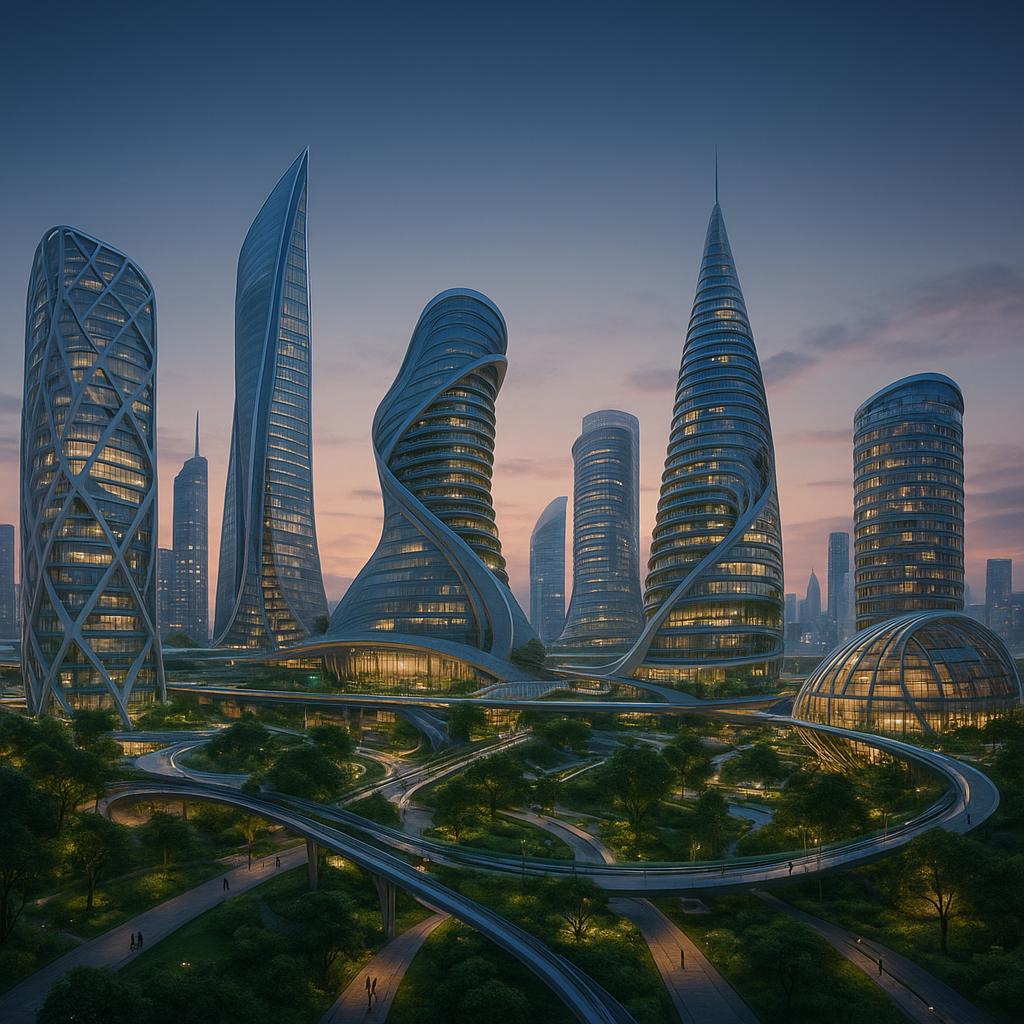
Architecture stands at the crossroads of art, technology, culture, and environment. In an era marked by rapid urbanization, climate challenges, and technological breakthroughs, the built environment must evolve to meet new demands. The top architectural projects around the world today are not merely feats of engineering; they are visionary statements that blend sustainability, innovation, and cultural narratives to redefine how we live, work, and interact with our surroundings.
This article presents the top 9 architectural marvels that are shaping the future of design and urban living. From groundbreaking skyscrapers to eco-conscious urban complexes, these projects embody the spirit of contemporary architecture’s challenges and opportunities. Along the way, we will also examine how these designs reflect broader trends impacting real estate and urban development, linking to insights from How Architecture Shapes Real Estate’s Future Amid Global Shifts.
1. The Vertical Forest – Milan, Italy
Designed by Stefano Boeri Architetti, the Vertical Forest is a pioneering residential tower complex that integrates dense vegetation directly into the urban fabric. Comprising two towers, it incorporates approximately 900 trees, 5,000 shrubs, and 11,000 floral plants across balconies and terraces.
This living architecture offers numerous environmental benefits: it improves air quality, reduces noise pollution, and promotes biodiversity within the city. Its design symbolizes a new paradigm where urban development and nature coexist harmoniously. The project has inspired similar vertical green initiatives worldwide, emphasizing the urgent need for sustainable urban planning.
Architectural Features
- Modular planting system: The plants are carefully selected based on height, foliage density, and flowering season to ensure year-round greenery and ecological balance.
- Innovative irrigation: Automated drip irrigation and rainwater collection systems optimize water usage efficiently.
- Thermal regulation: The vegetation acts as natural insulation, reducing energy consumption for heating and cooling.
The Vertical Forest stands as a testament to how architecture can address environmental crises while enhancing urban aesthetics and residents’ well-being.
2. The Opus – Dubai, UAE
Conceived by the legendary architect Zaha Hadid, The Opus is an iconic mixed-use building in Dubai’s Business Bay district that defies traditional form. Characterized by a striking void at its center, the building appears as two separate towers merged by a cantilevered glass and steel bridge, creating a bold sculptural silhouette.
The Opus epitomizes the fusion of art, technology, and luxury in contemporary architecture. It accommodates office spaces, a hotel, and retail areas, weaving dynamic public and private functions seamlessly.
Innovations and Impact
- Parametric design: Advanced computational modeling enabled the complex geometry and structural engineering challenges.
- Facade engineering: The double-curved glass facade maximizes natural light while controlling solar gain.
- Urban connectivity: The transparent central void creates visual connections, inviting public engagement and enhancing the cityscape.
The Opus challenges conventional building typologies, inspiring architects to think beyond the box and embrace fluid spatial experiences.
3. Bosco Verticale – A Model for Biophilic Design
While the Vertical Forest already introduced the concept of dense vegetation on high-rise buildings, Bosco Verticale specifically refers to the Milan towers that pioneered this approach. This project has become a global model for biophilic design, a philosophy emphasizing humans’ innate connection to nature in built environments.
Biophilic principles incorporated into Bosco Verticale include natural patterns, daylighting, and ecological integration, which have measurable benefits such as reducing stress and improving cognitive function for inhabitants.
Its success has propelled urban planners and developers to adopt green architecture practices, contributing to the larger conversation on sustainable urbanism explored in our article How Architecture Shapes Real Estate’s Future Amid Global Shifts.
4. The Crystal – Copenhagen, Denmark
Designed as an ultra-sustainable office building, The Crystal in Copenhagen by Schmidt Hammer Lassen Architects is a beacon of green architecture in Northern Europe. It’s one of the world’s most sustainable buildings, achieving near-zero energy consumption through innovative design strategies.
Key Sustainability Features
- Geothermal energy: The building harnesses geothermal heat pumps for efficient heating and cooling.
- Smart facade: Dynamic glass panels modulate transparency and heat gain based on external conditions.
- Rainwater harvesting: Water is collected and reused for irrigation and sanitary applications.
- Natural ventilation: Operable windows and atrium design reduce reliance on mechanical ventilation.
The Crystal demonstrates how corporate architecture can align with ambitious environmental goals without sacrificing aesthetics or occupant comfort.
5. Marina Bay Sands – Singapore
One of the most instantly recognizable landmarks in Asia, Marina Bay Sands redefined luxury integrated resort architecture. Designed by Moshe Safdie Architects, this complex features three soaring hotel towers connected by a dramatic SkyPark rooftop, which includes an infinity pool, gardens, and observation decks offering sweeping views of Singapore’s skyline.
Marina Bay Sands is not just an architectural spectacle but a driver of economic development and tourism. It combines hospitality, commerce, entertainment, and culture in a single cohesive ecosystem. The resort’s design exemplifies how iconic architecture can become a city’s identity and a catalyst for urban regeneration.
Signature Elements
- SkyPark: At 340 meters long, the park is an engineering feat providing public green space above ground level.
- Integrated resort model: Combines casino, convention center, theaters, museums, and retail under one roof.
- Environmental considerations: Incorporates energy-efficient systems and extensive landscaping to mitigate heat island effects.
6. The Shard – London, UK
The Shard, designed by Renzo Piano, is Western Europe’s tallest building and an icon of London’s skyline. Its tapering glass facade evokes a shard of glass piercing the sky, blending modernity with the historic cityscape.
The Shard exemplifies the trend of vertical urbanism, offering mixed-use spaces including offices, residences, hotels, restaurants, and public viewing galleries.
Architectural and Urban Significance
- Transparency and light: The glass facade maximizes daylight penetration and offers panoramic views.
- Public accessibility: The observation deck invites residents and visitors to experience the city from new heights.
- Transit-oriented development: Situated near London Bridge Station, it promotes sustainable urban mobility.
The Shard’s success underscores the importance of integrating iconic architecture with functional urban infrastructure.
7. The Eden Project – Cornwall, UK
The Eden Project is a groundbreaking ecological complex comprising massive geodesic domes housing diverse plant species from around the world. Designed by Nicholas Grimshaw, it transforms a former clay pit into a center for environmental education and conservation.
Though not a traditional building, the Eden Project’s architectural innovation lies in its sustainable materials, energy systems, and its role as a cultural landmark promoting environmental stewardship.
Features and Impact
- Biomes: The domes simulate different climates, enabling conservation and research on diverse ecosystems.
- Sustainable design: Utilizes recycled materials, natural ventilation, and renewable energy sources.
- Community engagement: It serves as a hub for education, tourism, and local economic development.
This project illustrates how architecture can extend beyond shelter, fostering ecological awareness and inspiring global audiences.
8. The Guangzhou CTF Finance Centre – Guangzhou, China
Among the tallest buildings in the world, the Guangzhou Chow Tai Fook Finance Centre is a supertall skyscraper designed by Kohn Pedersen Fox. It serves as an exemplar of mixed-use vertical development, housing offices, a hotel, and luxury residences within a sleek, tapering glass tower.
Its advanced structural engineering enables it to withstand typhoons and seismic activity, vital for the region’s climate and geology.
Technological and Environmental Innovations
- High-performance facade: The curtain wall reduces solar heat gain while maximizing daylight.
- Energy efficiency: Incorporates LED lighting, smart HVAC systems, and regenerative elevators.
- Urban connectivity: Integrated with transit hubs and pedestrian networks to encourage sustainable mobility.
The building reflects China’s rapid urban growth and the increasing demand for sustainable, high-density development.
9. The National Museum of Qatar – Doha, Qatar
Designed by Jean Nouvel, the National Museum of Qatar is inspired by the desert rose crystal formation native to the region. Its interlocking disks create a complex geometric form that both blends with and stands out from the desert landscape.
The museum is more than a cultural institution; it is an architectural narrative of Qatar’s history, identity, and aspirations. It uses innovative engineering to realize a form that challenges traditional museum typologies.
Design Highlights
- Sculptural form: The intricate disks create dynamic spatial experiences inside and outside the building.
- Materiality: Local limestone and advanced concrete technologies link tradition with modernity.
- Cultural storytelling: The architecture embodies the country’s natural environment and heritage.
The National Museum of Qatar is a powerful example of how architecture can serve as a medium for cultural expression and national pride.
The Broader Impact of These Architectural Marvels
These nine projects are not isolated achievements; they represent broader trends transforming architecture and urbanism globally. Sustainability, technological innovation, cultural integration, and social responsibility emerge as common themes.
For instance, the emphasis on green architecture and biophilic design aligns closely with global efforts to combat climate change and improve urban living standards. The use of parametric design and advanced materials signals the growing role of technology in shaping architectural possibilities. Iconic forms like those of The Opus or the National Museum of Qatar highlight architecture’s capacity to tell stories and create identity.
Moreover, these buildings influence real estate markets, urban planning, and public policy. As highlighted in How Architecture Shapes Real Estate’s Future Amid Global Shifts, innovative architecture attracts investment, drives tourism, and fosters community development, reinforcing the idea that design excellence is integral to economic and social progress.
Conclusion: Embracing the Future Through Architecture
The top 9 architectural marvels discussed here illustrate that architecture today is simultaneously a technical discipline, a creative art, and a social catalyst. They embody the challenges of sustainability, urban density, cultural expression, and technological integration that define the 21st century.
As cities continue to grow and societies evolve, architecture will remain a critical medium through which we shape our environment and collective future. These projects inspire architects, planners, policymakers, and citizens to imagine and build more resilient, beautiful, and meaningful spaces.
To stay informed about the latest trends shaping our built environment and other sectors, explore related insights such as Unlocking Wellbeing: The Top 6 Pillars Shaping Health Today and Harnessing Tomorrow: The Top 10 Renewable Energy Technologies Powering Our Future.