Breast implants are constructed in a way that they last longer. Over time, many women find themselves revisiting their original augmentation decision, whether due to changes in their health, lifestyle, or personal aesthetic goals.
Bodies change, circumstances shift, and what felt like the right choice years ago may no longer feel that way today. Understanding what motivates revision surgery and what the process involves can help women feel more informed, prepared, and confident about their options.
Why Women Consider Changing Breast Implants
There is no single experience that fits every woman's journey with implants. Changing breast implants is a personal decision that can be driven by medical necessity, physical discomfort, or a desire for a different aesthetic outcome.
A lot of women reach this point after years of living comfortably with their implants, while others encounter issues much sooner. Here are six of the most common reasons women explore revision breast augmentation surgery.
Capsular Contracture
Once the scar tissue around the breast implant tightens and hardens, it eventually changes the shape of the breast, which can cause significant pain. Capsular contracture is one of the most common medical reasons women seek revision surgery.
Implant Rupture or Leakage
A ruptured or leaking implant can cause swelling, lumps, and discomfort. It does not matter whether the external shell of the implant has been damaged or not; once rupture happens, implant replacement must be considered.
Desire for a Different Size or Shape
Personal preferences evolve over time. A lot of females find that the size or shape they originally chose no longer reflects their current lifestyle, body confidence, or aesthetic ideals.
Implant Ageing and Natural Wear of the Implant
Breast implants do not last forever. Most are designed to remain intact for around ten years, after which natural ageing can affect their appearance and structural integrity.
Implant Displacement
With time, breast implants can shift their position. The changing breast implants that have moved or become misaligned can restore a more natural appearance and help relieve associated discomfort.
Breast Implant Illness (BII) Concerns
Some women report systemic symptoms they associate with their implants, such as fatigue and joint pain. Removal and replacement may be explored as part of a broader health management approach.
What to Expect from the Revision Process
For many women, understanding the surgical journey is just as important as understanding the reasons behind it. Knowing what to expect at each stage can ease anxiety and help you approach the decision with greater confidence.
The Initial Consultation
- Your first appointment is your chance to talk through your concerns, medical history, and what you are hoping to achieve.
- Your surgeon will inspect the condition of your current implants and check for any complications that need addressing.
- A tailored treatment plan will be put together based on your specific situation and goals.
- A second consultation is usually scheduled so you can ask any follow-up questions before moving forward.
The Procedure Itself
- Revision surgery is carried out under a general anaesthetic and usually takes between one and two hours.
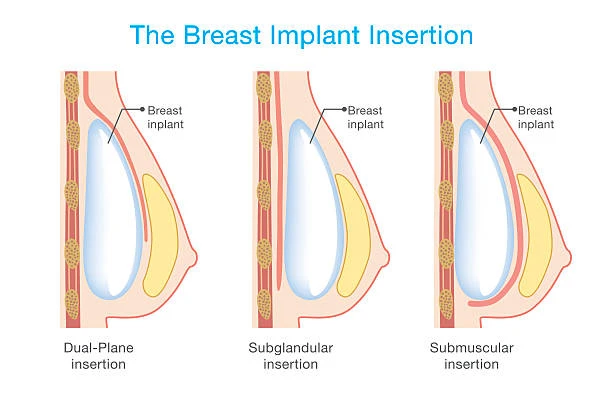
- An incision is made in the natural fold beneath the breast to access and remove the existing implant.
- If hardened scar tissue is present, your surgeon may remove it during the same procedure.
- A new implant is then placed in the pocket, in the size and shape discussed during your consultations.
Recovery and Healing
- Most patients are able to head home on the day of surgery once they have recovered from the anaesthetic.
- Swelling, bruising, and some tenderness around the chest are normal in the first few days.
- Wearing a compression garment, resting properly, and keeping the area clean are all key parts of looking after yourself post-surgery.
- Light daily activities can typically resume within a couple of days.
- Full healing generally takes around three months.
Realistic Expectations
- Some results will be visible shortly after surgery, though the full outcome takes time to show.
- Swelling needs to fully settle before the final shape and appearance of your breasts becomes clear.
- Staying in regular contact with your surgeon during recovery helps flag any concerns early and supports a smooth healing process.
- Going into surgery with a clear and grounded understanding of likely outcomes leads to greater satisfaction with the results.
Take The Best Decision For Your Breast Health
Breast implant revision is your personal decision to take. Understanding the reasons behind it is the first step towards making a choice that is right for you. If you have medical or cosmetic concerns, speaking with a qualified plastic surgeon can provide much-needed clarity.
Taking time to research your options, ask the right questions, and understand your body puts you in a much stronger position before committing to surgery. Professionals like Dr Andrew Broadhurst offer thorough consultations to help patients understand the revision process, explore suitable options, and set realistic expectations for their results.