
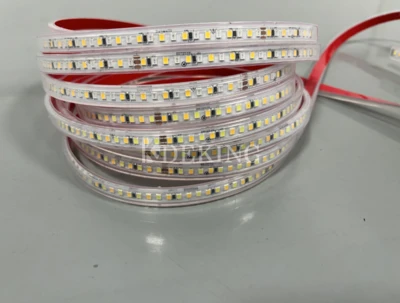
Choosing the right LED power supply is critical for both performance and safety. A poor selection can lead to flickering lights, overheating, short circuits, or even damage to your entire lighting system. Whether you're a DIY enthusiast or a seasoned electrician, avoiding these common mistakes can save time, money, and frustration. Let's explore the top pitfalls to avoid when buying LED power supplies.
Ignoring Wattage Requirements
One of the most frequent mistakes is not calculating the correct wattage needed for your LED lights. Many users underestimate the total power their lighting setup requires and end up purchasing an underpowered supply. This can result in dim lighting, flickering, or system failure.
Always add up the total wattage of all connected LEDs and choose a power supply that provides at least 20–30% more than the total demand. This buffer helps account for power surges and ensures long-term reliability. For instance, if your LED strip requires 80 watts, look for a power supply rated for at least 100 watts.
Buying the Wrong Voltage
LED lights are not universally compatible with every voltage. Most operate on 12V or 24V DC, while others might require 5V or 48V. A common mistake is buying a power supply that outputs the wrong voltage, which can either damage your LEDs or fail to power them at all.
Before making a purchase, double-check the voltage requirements of your LED system and make sure the power supply matches precisely. Mismatched voltage can lead to overheating or permanent damage to the lights.
Overlooking Waterproof Ratings
Not all LED power supplies are designed for outdoor or wet environments. Installing a non-waterproof unit in a location exposed to moisture, such as a garden, patio, or bathroom, can be hazardous and significantly shorten the lifespan of your system.
If you're working in humid or wet conditions, ensure your power supply has an appropriate IP rating. For outdoor use, look for a minimum of IP65. Higher ratings like IP67 or IP68 provide even better protection from dust and water.
Neglecting Heat Management
Heat is one of the main enemies of electronics, and LED power supplies are no exception. Poor ventilation, overloading, or placing the supply in enclosed spaces without airflow can lead to overheating and premature failure.
Choose a power supply with built-in thermal protection, and ensure it is installed in a location with adequate ventilation. Metal casing and heat sinks can also help dissipate heat more efficiently. For large installations, consider a fan-cooled unit or even a supply with temperature sensors for better control.
Choosing a Low-Quality or Non-Certified Product
In the quest to save money, many buyers opt for cheap, off-brand power supplies that lack quality control and safety certifications. These products are often prone to failure and may not comply with safety standards, putting both your lighting system and property at risk.
Always look for products with certifications like UL, CE, FCC, or RoHS. Reputable manufacturers also provide warranties and reliable customer support, which can make a huge difference if anything goes wrong.
Final Thoughts
Buying the right LED Power Supply is more than just matching specs — it’s about ensuring safety, reliability, and longevity. Avoiding these five common mistakes will help you build a lighting system that performs well and lasts for years. Take the time to research, plan your setup, and invest in quality products — your future self (and your LEDs) will thank you.