Introduction
Food waste is one of the biggest hidden costs in the hospitality, food service, and catering industries. It’s more than just food scraps being tossed into a bin—it’s money lost, resources wasted, and a missed opportunity to operate more sustainably. Today, businesses are under growing pressure to reduce their environmental footprint, and one of the simplest, most impact ways to do this is by tackling food waste head-on.
The good news is that solutions exist, and companies like Hungry Giant are leading the way in changing how businesses manage and recycle food waste. Their technology empowers organisations to turn food waste from a problem into a resource.
Why Food Waste Management Matters
Addressing food waste is about much more than keeping kitchens tidy. When food ends up in landfill, it doesn’t just go away. It breaks down without oxygen, releasing methane—a greenhouse gas far more potent than carbon dioxide. At the same time, throwing away edible or usable food represents a huge financial loss, especially when you consider the costs of purchasing, handling, and disposing of it.
For businesses, managing food waste well is also a way to show commitment to sustainability. Consumers are increasingly aware of environmental issues, and they expect the companies they support to care too. Efficient waste management can also be a valuable part of corporate social responsibility initiatives.
What Is a Food Waste System?
A food waste system is any structured process or technology used to collect, process, and dispose of or repurpose food waste. In commercial environments, this usually involves a combination of equipment and procedures designed to reduce waste volume, convert it into useful materials like compost or energy, and minimise the costs and impact associated with traditional waste disposal.
These systems can vary widely in size and complexity—from small dehydrators used in cafes, to large-scale digesters and grinding systems in hospitals, universities, and food manufacturing plants.
Introducing Hungry Giant
One of the most innovative companies working in this space is Hungry Giant. Known for their commitment to sustainability and waste reduction, they design and manufacture advanced food waste systems and recycling equipment. Their products cater to a wide range of business sizes and industries, from restaurants and hotels to healthcare facilities and universities.
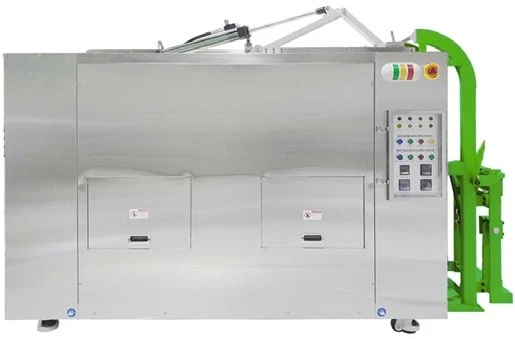
What makes Hungry Giant stand out is their focus on practical, scalable solutions. Their equipment is built not only to reduce food waste, but to fit easily into existing operations without disrupting workflow. Whether it's a smart dehydrator that cuts waste volume by 90%, or a food waste digester that turns scraps into usable biomass, Hungry Giant offers businesses a way to reduce their environmental footprint while improving the bottom line.
Leading Food Waste Equipment in 2025
Hungry Giant’s product line includes a range of machines designed to process food waste efficiently and sustainably. These include industrial dehydrators that reduce waste volume significantly, grinders that streamline kitchen waste handling, and digesters that allow for on-site conversion of food scraps into safe, usable outputs.
These systems are built to handle real-world conditions—whether you're operating a busy commercial kitchen or managing waste across a large facility. What’s especially valuable is how they simplify waste processing: less mess, less labour, fewer trips to external waste bins, and a cleaner, more efficient back-of-house environment.
Benefits of Using Hungry Giant Systems
There are several advantages to implementing a food waste system from a trusted provider like Hungry Giant. First and foremost is cost savings. Businesses that use these systems often see a reduction in waste disposal fees, labour hours, and waste volume. Over time, these savings can significantly improve operational efficiency.
Another major benefit is environmental impact. By reducing the amount of food waste going to landfill, these systems help cut greenhouse gas emissions. They also support internal sustainability goals, improve a company’s public image, and make it easier to comply with local waste regulations.
Lastly, using intelligent waste management systems contributes to a safer and more hygienic working environment. Staff spend less time handling wet or heavy bins, and kitchens stay cleaner and more organised.
How Food Waste Recycling Equipment Works
Food waste recycling equipment works by breaking down food scraps in a controlled and efficient manner. Many systems start by grinding or macerating the waste to make it easier to process. Next, the material may go through a dehydration stage, where heat is used to remove moisture and reduce weight. In some systems, microbes or enzymes are introduced to digest the material and convert it into compost or nutrient-rich slurry.
The final output varies depending on the technology used—it might be a dry, soil-like material suitable for composting or a liquid by-product that can be disposed of more sustainably than untreated waste. Regardless of the method, the goal is the same: to reduce waste volume and turn it into something useful.
Who Can Benefit from These Systems?
Virtually any business that handles large quantities of food can benefit from installing a food waste system. This includes:
- Restaurants, cafes, and catering companies
- Hotels, resorts, and conference centres
- Hospitals, aged care facilities, and universities
- Commercial kitchens and food processors
- Supermarkets and distribution centres
Even local councils and municipalities are starting to invest in food waste systems to support community sustainability goals.
Tips for Successful Implementation
Adopting a food waste system isn’t just about buying the equipment. Success comes from proper planning and integration. Here are a few things to consider:
- Conduct a waste audit to understand how much food waste your business produces.
- Choose the right system size and type based on your volume, space, and goals.
- Train your team on how to use the equipment correctly and efficiently.
- Integrate the system into daily operations, ensuring it supports rather than disrupts workflows.
- Track your progress with data and reporting features available on many modern systems.
Return on Investment (ROI)
While food waste systems do require an upfront investment, many businesses find that the payback period is relatively short. Between savings on waste collection, reduced labour, and improvements in operational efficiency, the average business sees a return on investment within 12 to 24 months.
Additionally, intangible benefits like improved brand image, employee satisfaction, and alignment with sustainability goals can add significant long-term value.
Common Challenges and How to Overcome Them
Like any operational change, there can be challenges in adopting new food waste systems. Some businesses worry about space requirements or training needs. Others are concerned about the initial cost.
These concerns are valid—but manageable. Smaller, modular units are available for businesses with limited space. Training is often provided by the manufacturer or supplier. And many companies, including Hungry Giant, offer leasing or rental options to reduce upfront expenses and make the transition more affordable.
Navigating Regulations and Compliance
Food waste is increasingly subject to environmental regulations, especially in regions focused on reducing landfill use and cutting emissions. Having a food waste system in place not only helps you comply with these rules, but can also demonstrate proactive environmental responsibility during inspections or audits.
Hungry Giant designs their systems with compliance in mind, ensuring they meet or exceed local standards for waste reduction, hygiene, and safety.
The Future of Food Waste Systems
Looking ahead, food waste systems are likely to become more intelligent and connected. With the rise of automation and smart technology, we can expect to see systems that monitor waste in real time, predict usage patterns, and offer insights to help reduce waste at the source.
Integration with inventory systems, AI-driven analytics, and remote management tools will allow businesses to take even greater control over their food waste—and potentially eliminate it altogether.
Frequently Asked Questions
1. Is it difficult to train staff on using food waste equipment?
Not at all. Most systems are user-friendly and come with training. Once staff learn the basics, it becomes part of the daily routine.
2. What kinds of food waste can be processed?
Most commercial systems can handle all types of food waste, including fruits, vegetables, meat, dairy, and even compostable packaging—depending on the machine.
3. Will a food waste system take up too much space in my kitchen?
Many systems, including those offered by Hungry Giant, are available in compact sizes that can fit even in smaller kitchens.
4. How often do these systems need maintenance?
Regular cleaning is essential, but most systems are designed for low maintenance. Routine servicing ensures the equipment performs well long-term.
5. Can this equipment really reduce costs?
Yes. By reducing the volume of waste and how often it needs to be removed, most businesses save significantly on waste management expenses.
z Absolutely. These systems are specifically designed to reduce methane emissions, minimise landfill use, and support sustainable waste practices.
Conclusion
Food waste is no longer something businesses can afford to ignore. It’s costly, wasteful, and increasingly regulated. But with the right food waste system in place—such as those designed by Hungry Giant—you can take meaningful steps toward cutting costs, reducing your environmental impact, and building a stronger, more responsible business.
Whether you're running a busy kitchen, managing a facility, or planning future sustainability strategies, investing in modern food waste recycling equipment is a smart and forward-thinking move.