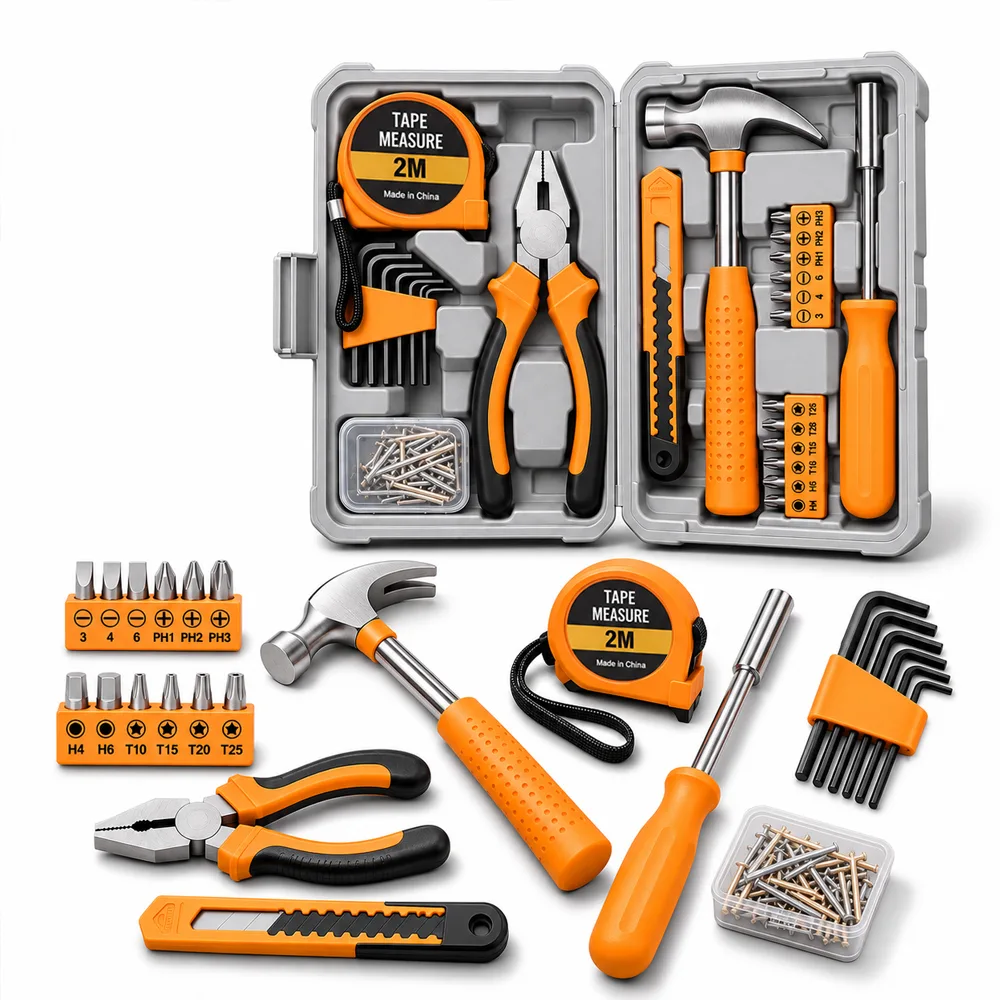
Tools and equipment are part of almost every practical project. From repairing a loose household fitting to maintaining a vehicle or organizing a professional workshop, the right equipment can make tasks more manageable and help improve the quality of the finished work.
However, choosing tools is not always straightforward. Different projects require different specifications, and a product that works well for one application may not be suitable for another. Understanding common tool categories, evaluating product features, and organizing equipment properly can help buyers build a more useful collection.
This guide explores the main types of tools and equipment, what to consider before purchasing, and how to maintain a workspace that supports everyday repairs and more demanding projects.
1. Understanding Different Types of Tools and Equipment
Tools can generally be grouped according to their functions and applications. Knowing these categories helps you identify what you need instead of purchasing equipment without a clear purpose.
Hand Tools
Hand tools are widely used for household maintenance, assembly, and workshop tasks. Common examples include:
- Screwdrivers for tightening and loosening fasteners.
- Pliers for gripping, holding, and bending materials.
- Wrenches for working with nuts and bolts.
- Hammers for suitable fitting and assembly jobs.
- Measuring tapes and levels for checking dimensions and alignment.
These tools are useful because they offer direct control and can be used in many situations without requiring a power source.
Automotive Tools
Vehicle maintenance requires equipment designed for particular components and procedures. Socket sets, combination wrenches, torque wrenches, and other automotive tools can support suitable repair and maintenance tasks.
Always check vehicle service information before starting work. The correct tool size and specifications matter, especially when dealing with fasteners and safety-related components.
Workshop Equipment
A functional workshop needs more than individual tools. Storage boxes, organizers, tool chests, and other workshop accessories help keep equipment accessible and protect it between projects.
The right storage arrangement depends on available space, the number of tools, and whether equipment needs to be transported regularly.
2. How to Choose the Right Tools for Your Needs
A common purchasing mistake is focusing only on the number of items in a tool set. A larger collection does not automatically provide better value.
Instead, consider these factors before making a decision.
Identify the Intended Application
Think about the tasks you perform most often. A homeowner completing occasional repairs may need a compact collection of general-purpose tools. Someone maintaining vehicles or working in a dedicated workshop may need more specialized equipment.
Check Specifications and Compatibility
Always review dimensions, sizes, materials, and product details. For tools that work with fasteners or mechanical components, correct sizing is particularly important.
Consider Comfort and Handling
Handles, grips, weight, and overall design can affect how comfortably a tool can be used. This becomes especially important during repetitive tasks or longer projects.
Compare Practical Value
Compare products based on their construction, intended use, included accessories, and suitability for your work. Avoid paying for features or pieces that do not serve a practical purpose.
3. Essential Equipment for Home Maintenance
Home maintenance often involves small jobs that require simple but reliable equipment. Keeping basic tools available can help you handle common repairs without unnecessary delays.
A useful household collection may include:
- Screwdrivers in commonly used sizes.
- Pliers for gripping and adjusting materials.
- A hammer for appropriate assembly tasks.
- Measuring tape for furniture and installation projects.
- A level for checking alignment.
- A suitable toolbox for storage.
Before beginning a repair, make sure you understand the task and select tools designed for that application. Some electrical, plumbing, and structural work requires specialized equipment or qualified professionals.
4. Choosing Tools and Equipment for Automotive Work
Automotive projects have different requirements from ordinary household repairs. A vehicle may contain fasteners and components that require specific tool sizes, torque settings, and service procedures.
Socket sets, wrenches, pliers, and automotive accessories can be useful additions to a garage setup. However, selecting the correct equipment depends on the vehicle and the work being performed.
Safety should always come first. Follow manufacturer instructions, use suitable protective equipment, and work in an appropriate environment. When raising a vehicle, use a firm, level surface and correctly rated supports. Never work underneath a vehicle supported only by a jack.
5. Organizing a More Efficient Workshop
An organized workshop can make a significant difference to productivity. When tools are stored logically, it becomes easier to locate equipment, prepare for tasks, and identify missing items.
Consider these simple organization methods:
- Group hand tools by category.
- Arrange wrenches and sockets by size.
- Use small compartments for fasteners and accessories.
- Keep frequently used tools within easy reach.
- Separate clean equipment from dirty or oily items.
- Return tools to their designated locations after use.
For a small workspace, portable toolboxes and compact organizers may be enough. Larger workshops may benefit from tool chests, modular storage systems, and dedicated equipment areas.
6. Maintaining Tools and Equipment
Regular maintenance helps keep tools in usable condition and can reduce the need for premature replacement.
After completing a project, remove dirt, grease, and moisture where appropriate. Dry equipment before storage and inspect it for signs of rust, cracks, loose handles, or worn working surfaces.
Damaged tools should be replaced rather than used for another task. Follow manufacturer care instructions for specialized equipment, and store tools in a clean, dry location.
Maintenance should also include checking accessories and storage systems. A damaged case, missing component, or poorly organized set can make equipment less convenient to use.
7. Common Mistakes When Buying Tools
Buyers can avoid unnecessary spending by looking beyond the product title and considering how the equipment will actually be used.
Some common mistakes include:
- Purchasing tools without checking the required dimensions.
- Choosing a set based only on the number of pieces.
- Ignoring the intended application.
- Overlooking storage requirements.
- Buying duplicate tools while missing essential sizes.
- Failing to check included accessories and product specifications.
Taking a little time to compare products can help you choose equipment that better matches your needs.
8. Benefits of Shopping for Tools Online
Online shopping allows buyers to compare a variety of tools and equipment from different categories. Product descriptions, specifications, and included accessories can help narrow down suitable options before purchasing.
When shopping online, check the actual dimensions and intended applications instead of relying only on product images. Make sure you understand what is included in the package and whether additional accessories are required.
HanzTools offers tools and equipment for automotive projects, workshop tasks, and DIY applications. Browsing a dedicated tool collection can help you discover practical options for your next project.
9. Building Your Collection Step by Step
You do not need to purchase every tool at once. A gradual approach can be more practical and easier to manage.
Start by identifying your most frequent tasks. Purchase essential hand tools first, then add automotive or specialized equipment when a project requires it. Consider storage at every stage so that your collection remains organized as it grows.
A useful tool collection is one that matches your work, provides the right specifications, and remains easy to maintain.
Conclusion
Choosing the right tools and equipment involves more than comparing prices or counting the number of pieces in a set. It requires understanding the intended application, checking specifications, considering comfort and storage, and maintaining equipment properly.
Whether you are handling household repairs, automotive maintenance, or workshop projects, a carefully selected collection can support a wide range of practical tasks.
Explore tools and equipment for your next project at HanzTools: