Rajasthan is known worldwide for its forts, palaces, and deserts, yet among its royal cities lies a hidden cultural gem-Tonk. Unlike the grand cities of Jaipur, Udaipur, or Jodhpur, Tonk holds a quieter charm that speaks through its Havelis, mosques, libraries, and poetry traditions. Often called the “Lucknow of Rajasthan” for its deep association with Urdu literature, Tonk is more than just a historical city-it is a living archive of Indo-Islamic architecture and cultural harmony.
Walking through Tonk’s narrow lanes, one encounters beautifully carved Havelis, delicate arches of ancient mosques, and the lingering presence of poets who once shaped the city’s identity. Tonk offers a story of migration, patronage, and art, blending Mughal influence with Rajput traditions. Understanding its legacy is not just about looking at old buildings-it is about connecting with centuries of knowledge, tolerance, and creativity.
This article explores Tonk’s architectural wonders, cultural significance, and enduring literary contributions, making it a must-visit for travelers and heritage lovers alike.
Exploring Tonk with a Rajasthan Tour Operator
For travelers seeking to uncover lesser-known jewels of Rajasthan, a Rajasthan tour operator plays an important role. Unlike mainstream travel agencies that focus on popular cities, specialized operators design itineraries that highlight unique destinations like Tonk. These curated tours include guided walks through heritage Havelis, visits to ancient mosques, and storytelling sessions that bring Tonk’s poetic past alive.
Travel operators also help visitors connect with local historians and artisans, ensuring that cultural narratives are preserved while being shared with the world. Their expertise not only saves time for travelers but also provides authentic exposure to the city’s hidden traditions. Choosing the right operator can transform a simple visit into aaningful cultural journey.
Why Tonk Deserves a Place in Rajasthan Tour Packages
Most travelers associate Rajasthan tour packages with forts of Jaipur, lakes of Udaipur, or dunes of Jaisalmer. However, Tonk deserves a proud place in these packages because of its distinctive heritage. A city that houses the Arabic and Persian Research Institute, Tonk is a paradise for history lovers. Manuscripts dating back centuries are preserved here, offering insights into Islamic and Indian scholarship.
Heritage tourism is evolving, and travelers are now looking for experiences beyond the ordinary. By including Tonk in Rajasthan tour packages, travel companies can introduce visitors to rare architectural marvels, such as the Sunheri Kothi (Golden Mansion), whose walls shimmer with mirror work and gold leaf artistry. The city’s mosques, particularly Jama Masjid built in the 19th century, stand as symbols of Mughal-inspired elegance.
Architectural Splendor of Tonk
The Havelis
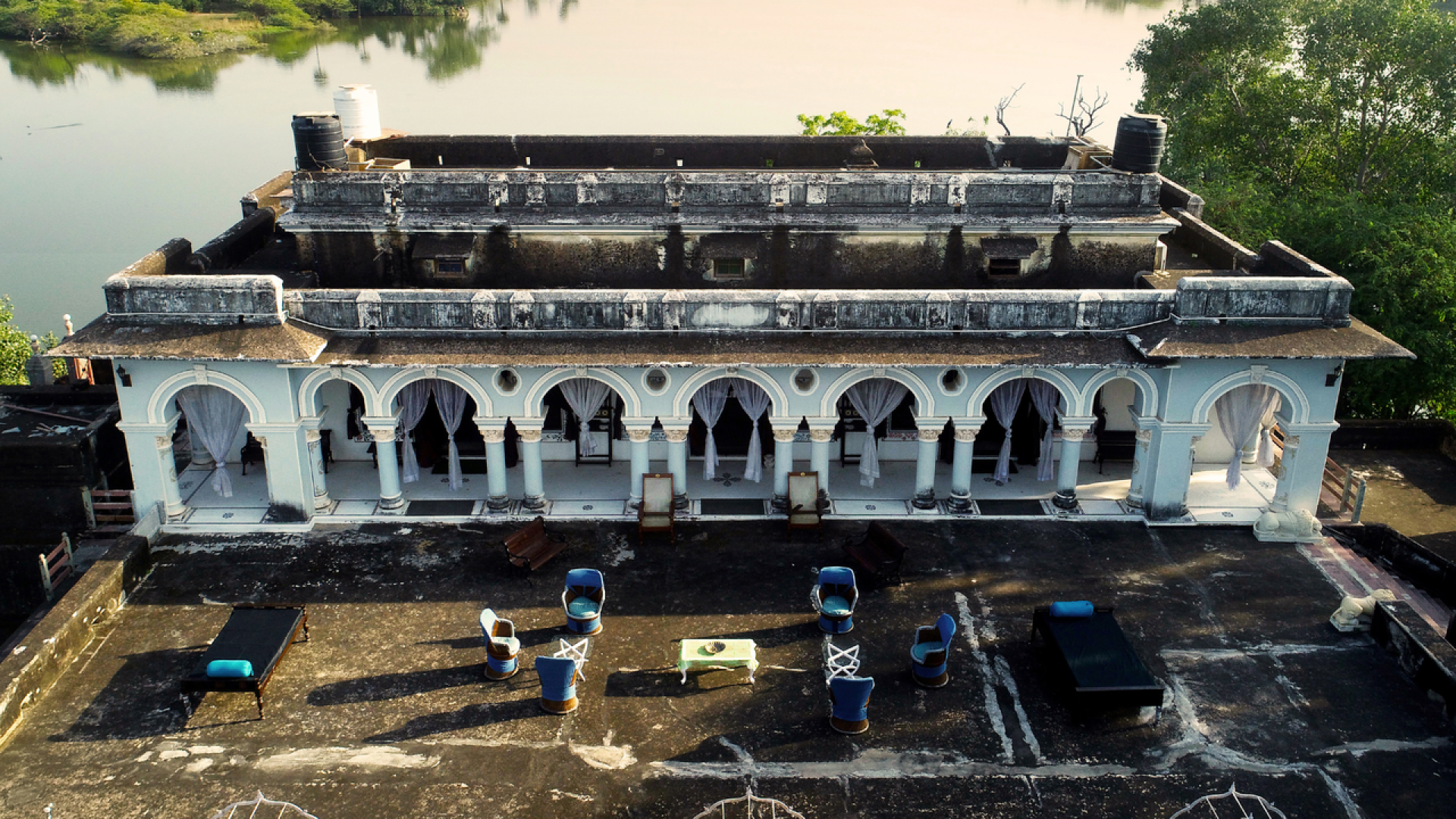
Tonk’s Havelis are not just residential buildings; they are artistic statements. Carved balconies, fresco-painted walls, and spacious courtyards reflect the wealth and taste of the city’s elite families. Many Havelis date back to the 18th and 19th centuries, offering a glimpse into the lifestyle of nobles and merchants.
The Mosques
Among Tonk’s most remarkable landmarks is its grand Jama Masjid, built by Nawab Amir Khan. The mosque showcases exquisite white marble, fine arches, and intricate jaali (lattice) work. It continues to be a center for spiritual gatherings and community bonding. Other mosques, smaller yet elegant, are scattered across the city, reflecting the Islamic architectural influence that shaped Tonk’s identity.
Sunheri Kothi
Perhaps the most stunning building in Tonk is the Sunheri Kothi, also known as the Golden Mansion. Located inside the old palace complex, its interiors are adorned with glass mosaics, gilded ceilings, and ornamental designs that rival the most opulent halls of Rajasthan.
Tonk as a Literary and Cultural Hub
The City of Poetry
Tonk has long been a cradle for poets, scholars, and calligraphers. It earned the title of “Adab ka Markaz” (Center of Literature) during the 19th century, when Nawabs patronized Urdu and Persian poets. Scholars here composed ghazals, nazms, and qasidas that enriched the subcontinent’s literary heritage.
Arabic and Persian Research Institute
This institute holds thousands of rare manuscripts in Arabic, Persian, and Urdu, making it one of India’s most important literary repositories. Researchers and academicians from around the world visit Tonk to study these works, further cementing the city’s place in global scholarship.
Real-Life Applications: Tourism and Preservation
The legacy of Tonk is not just historical—it has modern relevance. For example, cultural tourism initiatives in Rajasthan have started to highlight Tonk’s unique identity. Heritage walks are organized to narrate the stories of poets, Nawabs, and artisans. Local case studies show that such initiatives not only revive pride among residents but also create employment opportunities in guiding, hospitality, and handicrafts.
Preservation efforts, however, remain a challenge. Some Havelis and mosques are under threat due to neglect. Collaboration between local communities, government bodies, and NGOs is crucial to safeguard Tonk’s heritage for future generations.
Conclusion
Tonk stands as a testimony to the harmonious blend of architecture, spirituality, and literature. Its Havelis speak of prosperity, its mosques echo with devotion, and its poetry reflects timeless wisdom. Unlike other Rajasthani cities dominated by royal grandeur, Tonk tells a more intimate story-one of cultural exchange, scholarly pursuit, and everyday artistry.
For travelers, Tonk is more than a sightseeing destination; it is a living museum of history and culture. Recognizing its value and including it in travel circuits can ensure that the legacy of Tonk continues to inspire future generations.
FAQs
Q1: Why is Tonk called the “Lucknow of Rajasthan”?
Tonk earned this title because of its strong association with Urdu poetry, culture, and literature, similar to Lucknow’s cultural heritage.
Q2: What are the must-visit attractions in Tonk?
Key attractions include the Sunheri Kothi (Golden Mansion), Jama Masjid, Havelis, and the Arabic and Persian Research Institute.
Q3: How far is Tonk from Jaipur?
Tonk is located around 95 kilometers from Jaipur, making it a convenient day trip or overnight visit.
Q4: Is Tonk included in all Rajasthan travel itineraries?
Not all, but specialized operators and curated packages often include Tonk for travelers seeking offbeat heritage experiences.
Q5: What makes Tonk unique compared to other Rajasthan cities?
While other cities focus on forts and palaces, Tonk is unique for its literary heritage, Islamic architecture, and cultural harmony.