
Do you experience jaw pain, headaches, or difficulty opening and closing your mouth? These could be signs of a temporomandibular joint disorder, commonly known as TMJ treatment. The temporomandibular joint connects your jawbone to your skull and plays a vital role in chewing, speaking, and even facial expressions. When this joint becomes misaligned, stressed, or inflamed, it can lead to chronic pain and discomfort that affects daily life.
TMJ disorders are more common than many realize, and their causes range from stress and teeth grinding to trauma and arthritis. At My Dental Touch, we combine advanced diagnostics with modern treatment options to relieve discomfort, restore function, and improve quality of life. This comprehensive guide explores TMJ disorders, their symptoms, causes, and the latest treatment options in 2025, helping patients understand how to regain a healthy, pain-free jaw.
Understanding the TMJ
The temporomandibular joint (TMJ) is one of the most complex joints in the body, allowing the jaw to move up and down, side to side, and forward and backward. It is composed of the jawbone, skull, muscles, ligaments, and a cartilage disc that acts as a cushion between bones. Any dysfunction in this joint can lead to pain, restricted movement, or clicking sounds when opening or closing the mouth.
TMJ disorders are classified into three main types:
- Myofascial Pain: Discomfort in the muscles controlling jaw movement
- Internal Derangement: Problems with the joint disc or bone structure
- Degenerative Joint Disease: Arthritis or other degenerative changes affecting the joint
Each type may require different diagnostic and treatment approaches, emphasizing the need for a personalized care plan.
Common Causes of TMJ Disorders
TMJ disorders can result from multiple factors, often overlapping in patients. One of the most common causes is teeth grinding or clenching, often linked to stress, anxiety, or sleep disorders. Excessive pressure on the jaw muscles can strain the TMJ, leading to chronic pain and inflammation.
Jaw injury or trauma is another frequent cause. Accidents, falls, or impacts to the jaw can misalign the joint or damage the cartilage, causing long-term dysfunction. Additionally, arthritis, particularly osteoarthritis or rheumatoid arthritis, can affect the TMJ, gradually wearing down cartilage and creating pain and stiffness.
Poor posture, especially forward head posture associated with prolonged computer or phone use, can also contribute to TMJ disorders by placing additional stress on jaw muscles and surrounding structures. In some cases, the cause is unknown, emphasizing the importance of thorough evaluation by a skilled dentist.
Symptoms of TMJ Disorders
Symptoms of TMJ disorders vary in intensity and type. Common signs include:
- Jaw pain or tenderness, especially around the ear or temples
- Clicking, popping, or grating sounds when opening or closing the mouth
- Difficulty chewing or biting
- Limited range of motion in the jaw
- Headaches, neck pain, or earaches
- Facial swelling or discomfort
Some patients may also experience tinnitus (ringing in the ears) or dizziness due to TMJ dysfunction. Because symptoms can mimic other conditions, proper diagnosis by a TMJ specialist is crucial for effective treatment.
Diagnosis of TMJ Disorders
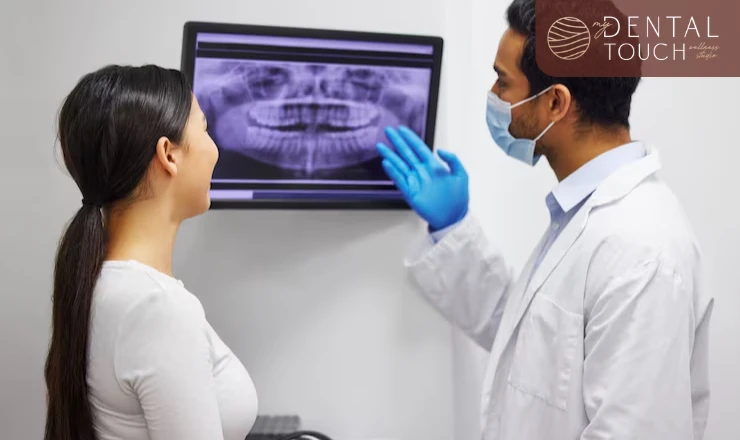
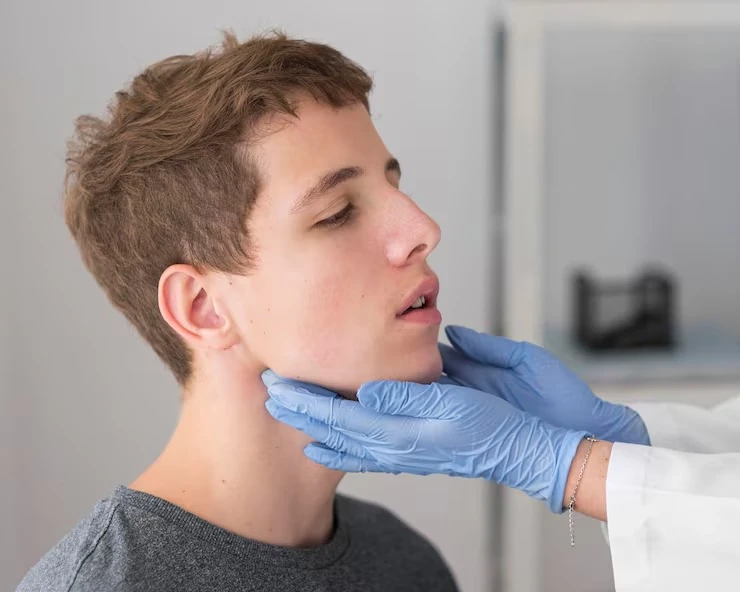
Diagnosing TMJ disorders requires a combination of patient history, physical examination, and imaging studies. At My Dental Touch, our team conducts a thorough evaluation, examining the jaw for tenderness, misalignment, range of motion, and clicking sounds.
Imaging techniques, such as X-rays, CT scans, or MRI, provide detailed views of the joint, muscles, and cartilage, helping identify structural problems. Advanced 3D imaging allows precise analysis of jaw movement and alignment, guiding treatment planning. In some cases, bite analysis or jaw tracking technology may be used to understand the mechanics of the joint fully.
Modern TMJ Treatment Options
Treatment for TMJ disorders is tailored to each patient, depending on the severity, cause, and symptoms. Modern dentistry offers a range of effective, minimally invasive options.
Oral Appliances and Splints
Custom-made mouthguards or splints can relieve TMJ pain by preventing teeth grinding, reducing muscle strain, and stabilizing the jaw. These appliances are worn during sleep or throughout the day, depending on the patient’s needs.
Physical Therapy
Targeted exercises, stretches, and massage techniques can strengthen jaw muscles, improve flexibility, and reduce tension. Physical therapy may also include posture correction and relaxation strategies to alleviate stress-related TMJ symptoms.
Medications
Nonsteroidal anti-inflammatory drugs (NSAIDs) or muscle relaxants may be prescribed to reduce inflammation and pain. In some cases, short-term use of corticosteroid injections can help relieve acute discomfort.
Minimally Invasive Procedures
For persistent TMJ disorders, minimally invasive procedures such as arthrocentesis or laser therapy may be used to remove inflamed fluid, reduce pain, and promote healing. These procedures are typically outpatient, with minimal recovery time.
Bite Correction and Orthodontics
Misaligned teeth or bite problems can contribute to TMJ dysfunction. Orthodontic treatments like braces or clear aligners (Invisalign®) can correct bite discrepancies, reducing stress on the joint over time.
Surgery (Reserved for Severe Cases)
In rare cases where conservative treatments fail, surgical intervention may be necessary to repair or replace damaged joint structures. Surgery is typically a last resort after thorough evaluation and conservative management.
Lifestyle and Home Care Tips
Alongside professional treatment, lifestyle modifications can significantly improve TMJ symptoms. Patients are encouraged to apply warm or cold compresses to reduce pain, practice stress-reducing techniques, avoid excessive chewing (like gum or tough foods), and maintain good posture. Gentle jaw exercises recommended by a dentist or physical therapist can help maintain flexibility and reduce stiffness.
Advancements in TMJ Treatment
The field of TMJ treatment has seen remarkable advancements in recent years. Digital jaw tracking and imaging now allow dentists to assess bite dynamics and muscle function with precision. Minimally invasive laser therapy offers pain relief and tissue healing without surgery, and 3D-printed custom splints ensure a perfect fit for optimal comfort. Combining these technologies with traditional approaches enables faster recovery and more predictable results.
FAQs About TMJ Disorders
Can TMJ disorders go away on their own?
Mild TMJ discomfort may improve with lifestyle changes, stress reduction, and self-care. However, persistent symptoms should be evaluated by a dentist to prevent long-term damage.
Are TMJ disorders related to stress?
Yes. Stress can lead to teeth clenching and grinding, which are major contributors to TMJ dysfunction. Managing stress through relaxation techniques can alleviate symptoms.
How long does TMJ treatment take?
Treatment duration varies depending on severity and chosen therapies. Conservative treatments may take a few weeks to months, while severe cases may require longer-term management.
Can children or teens have TMJ disorders?
Yes. TMJ issues can affect younger patients, often due to trauma, misaligned teeth, or habits like nail-biting or prolonged chewing of gum.
Is TMJ surgery painful?
Surgery is typically reserved for severe cases. Modern techniques, anesthesia, and post-operative care minimize pain and ensure recovery is manageable.
Can TMJ affect my hearing?
Yes. TMJ dysfunction can sometimes cause earaches, tinnitus, or a feeling of fullness in the ear due to the proximity of the joint to the ear canal.
Why Choose My Dental Touch for TMJ Treatment
At My Dental Touch, we provide a comprehensive approach to diagnosing and treating TMJ disorders. Our team combines advanced imaging, custom oral appliances, physical therapy guidance, and minimally invasive procedures to deliver effective relief. Every patient receives a personalized treatment plan designed to address the underlying causes of their TMJ discomfort while improving jaw function and quality of life. Our goal is to provide long-lasting solutions, reduce pain, and restore your confidence in everyday activities such as speaking, eating, and smiling.
Conclusion
TMJ disorders can significantly impact daily life, causing pain, restricted movement, and headaches. Modern TMJ treatments, from oral appliances and physical therapy to minimally invasive procedures and surgery, offer effective solutions tailored to individual needs. Early diagnosis and intervention are key to preventing chronic complications and restoring proper jaw function.
At My Dental Touch, we combine expertise, technology, and personalized care to address TMJ disorders efficiently and comfortably. Whether your symptoms are mild or severe, our team will guide you toward the most suitable treatment plan, helping you regain a pain-free, functional, and healthy smile.
Schedule a consultation today and take the first step toward relief from TMJ pain.