
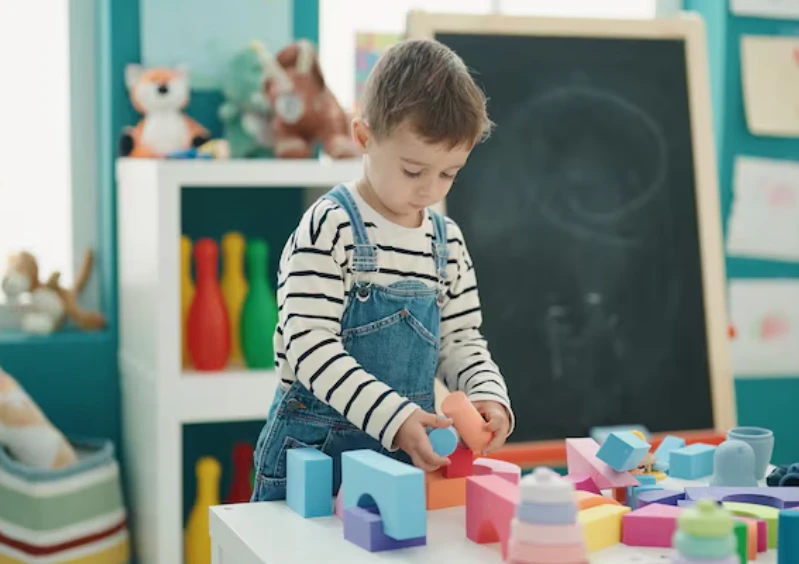
Starting nursery is a big milestone for both children and parents. It marks the beginning of a new chapter filled with friendships, learning, and growing independence. While it is an exciting time, it can also bring a mix of emotions. Some children walk in confidently, while others may feel unsure or clingy in the early days. As a parent, you may feel just as nervous.
If you are preparing for your child’s first days at a kids nursery in Pinner, a little planning and reassurance can make all the difference. The right approach will help your child feel secure, supported, and ready to enjoy their new environment.
Understand That Every Child Adjusts Differently
It is important to remember that there is no single “normal” way for a child to settle into nursery. Some children adapt within days, while others may need a few weeks to feel fully comfortable.
You might notice:
• Temporary clinginess at drop off
• Changes in sleep or appetite
• Extra tiredness at the end of the day
• Big emotions after coming home
These are all natural responses to change. Patience and consistency are key during this transition period.
Talk About Nursery in a Positive Way
Children take emotional cues from their parents. If you speak about nursery with warmth and excitement, your child is more likely to feel reassured.
Try to:
• Describe nursery as a fun and safe place
• Talk about new toys, activities, and friends
• Mention caring teachers who are there to help
• Read storybooks about starting nursery
Keep conversations simple and upbeat. Avoid long explanations that might create unnecessary worry.
Visit Before the First Day
If possible, attend settling in sessions before your child’s official start date. These visits allow your child to explore the environment while you are still present. They can see where they will play, eat, and rest.
Familiarity reduces anxiety. When the first full day arrives, the space will not feel completely new or overwhelming.
Create a Calm Morning Routine
A rushed morning can increase stress for everyone. Preparing the night before can make the first weeks smoother.
Helpful steps include:
• Laying out clothes in advance
• Packing their bag the evening before
• Allowing extra time for breakfast
• Leaving the house calmly without rushing
A predictable routine helps children feel secure and gives them a sense of control.
Keep Goodbyes Short and Reassuring
One of the most challenging moments is often the goodbye at drop off. It can be tempting to stay longer if your child becomes upset, but drawn out goodbyes may increase anxiety.
Instead:
• Offer a warm hug
• Use a consistent goodbye phrase
• Smile and reassure them you will return
• Leave confidently once you say goodbye
Trust the nursery staff. Experienced educators know how to comfort and distract children gently after parents leave.
Build a Partnership With the Nursery Team
Open communication with your child’s key person or teacher is essential. Share information about your child’s preferences, routines, and comfort items. The more the team understands your child, the easier it is to support them.
You can also ask:
• How your child is settling
• What activities they enjoy
• How they interact with other children
• Ways you can reinforce learning at home
This collaboration builds trust and strengthens your child’s sense of security.
Support Emotional Expression at Home
After nursery, your child may not immediately talk about their day. Some children need time to process their experiences. Instead of asking many direct questions, try gentle prompts.
For example:
• What was the best part of your day
• Did you play outside today
• Who did you sit next to at snack time
Allow space for feelings. If your child seems tired or emotional, offer comfort and extra patience. Change can be exhausting.
Maintain Consistency
Consistency helps children adjust faster. Regular attendance, steady routines, and clear expectations provide a sense of stability.
Even if the first few mornings are difficult, keeping the routine steady usually leads to quicker adjustment than taking frequent breaks.
Consistency also builds resilience. Your child learns that new experiences can feel challenging at first but become enjoyable over time.
Encourage Independence Gradually
Nursery is often the first place where children begin doing more things on their own. You can support this growth at home by encouraging small acts of independence.
You might:
• Let them put on their own shoes
• Encourage tidying up toys
• Allow them to choose between two outfits
• Involve them in simple daily tasks
These small responsibilities build confidence and make the transition to nursery smoother.
Celebrate Small Wins
Settling into nursery is a journey. Celebrate progress, even if it seems small.
Examples include:
• Walking into nursery without tears
• Saying goodbye confidently
• Talking about a new friend
• Trying a new activity
Positive reinforcement helps children feel proud of their efforts and more eager to return.
Trust the Process
The early days may feel emotional, but most children adjust beautifully with time. Nurseries are designed to nurture social skills, communication, creativity, and independence. Once settled, many children look forward to attending each day.
Choosing the right kids nursery in Pinner means selecting a setting that values communication, care, and emotional wellbeing. When children feel safe and supported, they thrive.
Starting nursery is not just about childcare. It is about laying the foundation for learning, friendships, and confidence. With preparation, patience, and partnership, you can help your child enjoy a smooth and happy beginning to their nursery journey.