
Tiles shopping can feel overwhelming—so many colors, materials, finishes, and sizes to choose from! Whether you're upgrading your kitchen backsplash, refreshing your bathroom, or renovating your entire home, the right tiles can transform any space. But with endless options online and in stores, how do you choose?
In this guide, we break down everything you need to know to make tiles shopping easier, smarter, and stress-free.
Why Tiles Shopping Matters
Tiles are more than just a design element—they shape the durability, style, and comfort of your home. The right tiles can make your space look bigger, brighter, and more modern. The wrong ones can lead to costly repairs or a look you’ll regret later.
That’s why approaching tiles shopping with the right information is essential.
1. Understand the Different Tile Types
Before you begin your tiles shopping journey, get familiar with the main types of tiles:
Porcelain Tiles
- Extremely durable
- Water-resistant
- Ideal for bathrooms, kitchens, and high-traffic areas
Ceramic Tiles
- Budget-friendly
- Great for walls and lighter foot traffic
- Available in many styles and colors
Vitrified Tiles
- High strength and low porosity
- Great for floors and commercial spaces
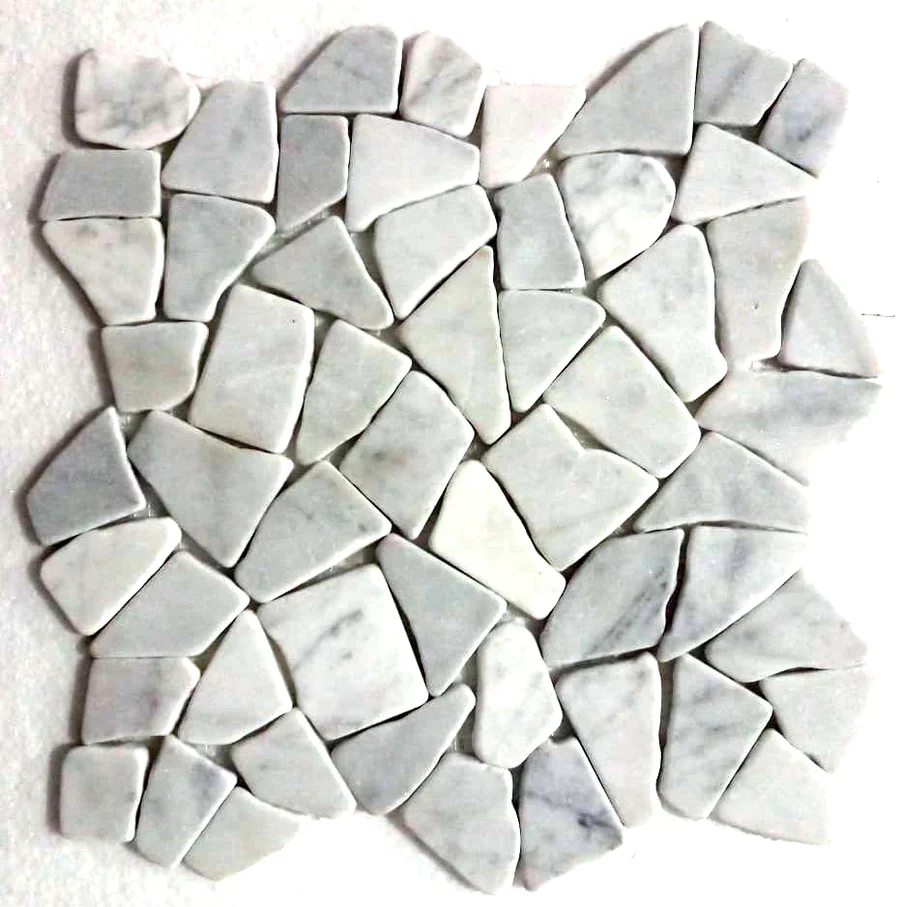
Mosaic Tiles
- Perfect for artistic backsplashes
- Adds texture and visual appeal
Natural Stone (Marble, Granite, Travertine)
- Luxurious look
- Requires sealing and maintenance
2. Consider Where You’ll Use the Tiles
Your tiles shopping shouldn’t start with style—it should start with function.
- Bathroom: Choose anti-skid, water-resistant tiles
- Kitchen: Easy-to-clean, stain-resistant surfaces
- Living Room: Porcelain or vitrified tiles for durability
- Outdoor Areas: Weather-resistant, matte-finish tiles
Matching the tile to the environment ensures long-lasting beauty and performance.
3. Choose the Right Size & Finish
Tile Sizes
Large tiles (like 24x24) create a modern, spacious look.
Smaller tiles add detail and are great for tight or intricate spaces.
Finishes
- Matte: Slip-resistant, subtle look
- Glossy: Reflective, vibrant, and best for walls
- Textured: Perfect for outdoor or industrial areas
4. Compare Prices & Quality
When tiles shopping, don’t just go for the lowest price. Compare:
- Material quality
- Thickness
- Finish durability
- Warranty
- Manufacturer reputation
A slightly higher upfront cost often saves money in the long run.
5. Order Extra Tiles
Always order 10–15% extra to account for:
- Cutting & shaping
- Pattern alignment
- Future repairs
This ensures a perfect match if tiles need replacement later.
6. Check Return Policies & Delivery Options
If you’re tiles shopping online:
- Confirm return/exchange policies
- Understand shipping times
- Check for breakage insurance
- Make sure the store packs tiles securely
Reliable customer service is essential when dealing with heavy, fragile products.
7. Use Samples or Visualization Tools
Many online tile stores provide sample tiles or virtual room visualizers.
Use them to see how the tile looks in your space before committing.
This avoids surprises with color, lighting, or texture.
Final Thoughts: Make Tiles Shopping Easy & Enjoyable
Tiles shopping doesn’t have to be confusing. With the right knowledge—understanding tile types, finishes, placement, and pricing—you can confidently create a beautiful home that reflects your style.
Take your time, compare your options, and always choose quality over quick decisions. The right tiles will last you for years, so make your choice wisely.
1. What is the best tile for flooring?
Porcelain or vitrified tiles are recommended due to their strength and durability.
2. Can floor tiles be used on walls?
Yes—many floor tiles can be used on walls, but wall tiles cannot be used on floors.
3. How do I calculate how many tiles I need?
Measure your area (length × width) and add 10–15% extra for cuts and wastage.
4. Which tiles are best for bathrooms?
Non-slip, matte-finish porcelain or ceramic tiles.
5. Are glossy tiles good for floors?
Glossy tiles are generally slippery and best suited for walls.