
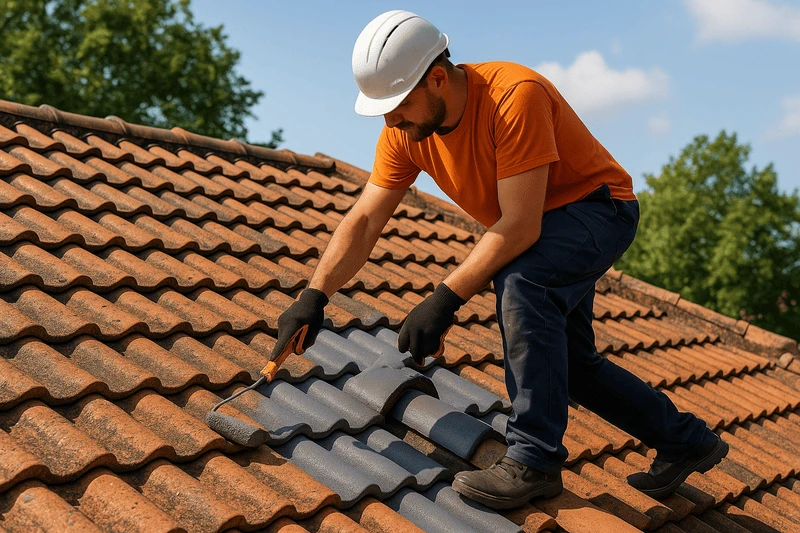
Across many Australian suburbs, tiled roofing remains a popular choice thanks to its timeless appearance, weather resistance, and suitability for a wide range of architectural styles. However, even the most durable tiled roof requires periodic upkeep to retain its protective qualities. Over time, exposure to sun, wind, rain, hail, and airborne debris can reduce surface strength and aesthetic appeal if not managed correctly. This is why the topic of Tile Roof Restoration continues to gain interest among homeowners looking to maintain property value, prevent water damage, and avoid premature roof replacement costs.
Roof tiles are designed to withstand years of weather exposure, yet their performance may decline gradually rather than suddenly. This slow deterioration sometimes leads homeowners to overlook early warning signs, assuming that tiles remain solid and dependable until visible water leaks appear. In reality, issues such as porous tiles, minor cracking, damaged ridge caps, loose flashing, deteriorated coatings, and moss or lichen accumulation can develop silently. Even tiny entry points for moisture can create progressive internal damage that remains unseen until it becomes a costly repair project. Learning about solutions such as Makk Tile Roof Restoration may help homeowners understand how a structured restoration process can return their roof to high performance rather than waiting for emergency repairs.
Modern property owners often look for exterior care advice through online resources, and lifestyle discussions are frequently found on community-based platforms like The Omnibuzz home topics or personal improvement pages such as The Omnibuzz trending articles. These platforms showcase how ongoing house care, including roof renewal, contributes significantly to longevity. Roof health is not limited to appearance; it relates to comfort, safety, energy efficiency, and long-term structural integrity.
A full restoration project generally starts with a detailed roof inspection. Experienced tradespeople examine surface tiles, ridge caps, valleys, flashings, gutters, drain points, and any signs of water ingress. They check for broken or shifted tiles, pointing and bedding deterioration, and surface coatings that may have faded or lost protective properties. In some cases, roofers use drone footage or photographic documentation to demonstrate problem areas clearly. This transparency helps the homeowner understand the condition of their roof before any work begins.
Once the assessment is completed, the restoration process may involve a professional high-pressure clean. Over the years, tile surfaces collect dirt, lichen, moss, and pollution residue. Although some homeowners attempt basic cleaning, it is crucial that tiles are cleaned using techniques that do not damage the tile glaze or force water beneath the surface. Skilled cleaners understand water pressure levels that are safe for the material being treated. When cleaning is done correctly, the roof surface becomes ready for repairs and refinishing.
Repair work usually focuses on areas most susceptible to wear. For tiled roofs, ridge capping and pointing are common points of failure since these are exposed and structurally crucial for keeping tiles in alignment. Repointing uses modern flexible compounds that move with the natural expansion and contraction of the roof structure. This is important for Australia’s climate, where temperature fluctuations encourage movement across the roof frame throughout the year.
A crucial part of any Tile Roof Restoration process is sealing and coating. After tiles have been cleaned and repaired, a specialised protective sealant is often applied to reinforce surface durability. Some property owners request coloured coatings to refresh property appearance and boost curb appeal. Others prefer clear sealing to maintain a natural tile finish. Coating products are formulated to resist ultraviolet damage, reduce surface water absorption, and discourage future moss growth. By sealing the tiles, water is less likely to penetrate and weaken the material.
It is important to note that restoration differs significantly from total roof replacement. Replacement involves removing all tiles, battens, and underlay and installing a new system, which can be more expensive and time-consuming. Restoration, on the other hand, focuses on retaining and improving existing materials where structurally appropriate. This approach often provides excellent value, especially when tiles remain fundamentally sound but require refreshing and reinforcement. When homeowners explore online services such as Tile Roof Restoration search results, they may discover that long-lasting results can be achieved when proper products and techniques are used.
Preventative maintenance is also important. Rather than waiting for leaks, homeowners may schedule regular inspections every few years, especially after severe weather events. Strong windstorms, heavy rain cells, or hail can damage ridge caps or displace tiles without being immediately noticeable. Homeowners with multi-storey properties may be particularly unaware of developing surface damage due to viewing limitations. For this reason, visual drone footage and photographic inspection reports have become increasingly valuable.
Tiled roof restoration is also linked to energy efficiency. Roof tiles that absorb excess moisture due to lack of sealing may have a reduced ability to reflect heat. Conversely, a properly restored and coated tile surface may enhance thermal performance, helping to maintain indoor temperature stability. While every home differs, reinforcing the exterior envelope can reduce reliance on mechanical cooling or heating across seasonal changes.
Safety is another factor in roof care. Damaged or loose tiles may pose a risk if they shift unexpectedly during storms or when tradespeople access the area. Roof restoration not only protects the home but also improves the safety of anyone required to perform maintenance near or on the roof. This becomes particularly relevant when adding solar panels, replacing antennas, or conducting gutter work.
Appearance should not be underestimated either. Street appeal influences property value, especially in competitive real estate markets. A faded, stained, or patchy roof may affect perceived worth during sale inspections, even if structure remains intact. A refreshed tiled roof helps the property look well cared for without requiring major reconstruction.
Homeowners comparing restoration providers may consider experience, material knowledge, coating technology, and transparent communication. Businesses who specialise in tiled roofing and restoration offer insights that general contractors may not. Service providers such as Makk Tile Roof Restoration demonstrate how industry knowledge, proper tools, and correct product selection can lead to long-term results rather than short-term cosmetic fixes.
Through research, many homeowners discover that proactive roof maintenance supports long-term property value, safety, and comfort. A thorough restoration process enhances remaining material life and reduces the costs associated with emergency repair work. It also creates peace of mind, knowing the top structure of the house is performing as intended.