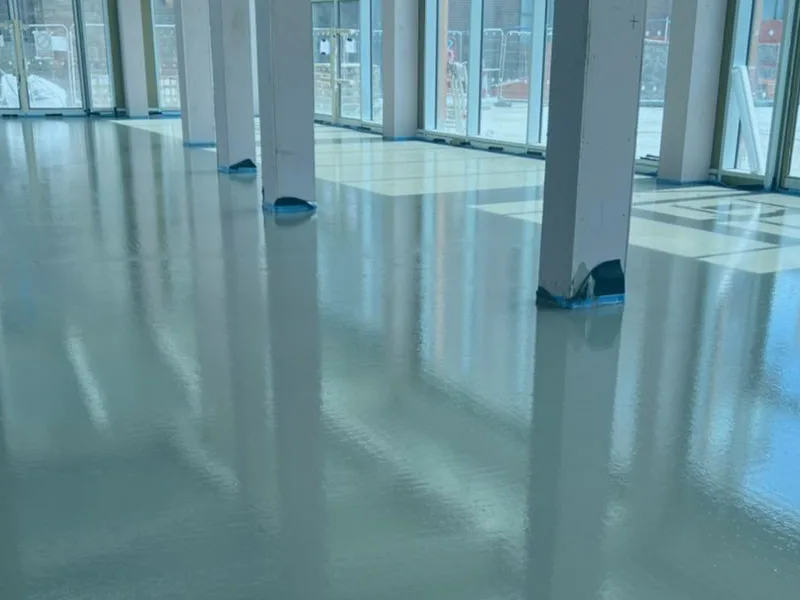
Floor screeding is an important stage of construction and renovation, providing a level surface for installing tiles, vinyl, laminate and other floor coverings. Choosing the right floor screed in Birmingham requires careful consideration of the building’s requirements, subfloor condition, drying time and installation method. Proper preparation and professional application help achieve a durable, smooth finish for residential and commercial properties.
Choose the Right Type of Floor Screed
Different projects require different screed materials. Cement-based and anhydrite liquid screeds are options for creating level floors, but their suitability depends on the installation conditions, floor construction and intended finish. Liquid screed flows across the prepared surface, helping create a consistent level.
Before choosing a product, consider the required thickness, expected floor loads, moisture conditions and compatibility with the final flooring. Professional advice can help determine the most suitable solution for a new build, extension or refurbishment.
Prepare the Subfloor Properly
Good preparation is essential for achieving a reliable screed finish. The subfloor should be inspected before installation to identify loose material, debris, uneven areas or other issues that could affect the result. Any necessary repairs and preparation should be completed before pouring begins.
Keep these points in mind before arranging installation:
- Clean the surface - Remove dust, debris and unsuitable materials.
- Check floor levels - Identify uneven areas and establish the required finished floor height.
- Plan the boundaries - Install suitable perimeter edging and prepare the area according to the chosen screed system.
- Consider underfloor heating - Ensure the pipework is installed, secured and checked before the screed is poured.
- Arrange site access - Make sufficient space for delivery vehicles, pumps, pipes and the installation team.
Thorough preparation supports an efficient installation and helps reduce avoidable delays.
Consider Screed Pumps and Drying Times
For floor screed in Birmingham, pumped application can be particularly useful on larger sites or properties with restricted access. Specialist screeding pumps transport liquid screed to the required area, reducing manual handling and helping installers distribute the material efficiently. The appropriate equipment depends on the site layout, project size and screed specification.
Drying time is another important consideration. It varies according to the product, thickness, temperature, humidity and site conditions. Some rapid-drying cement-based systems can reach specified drying milestones much sooner than conventional screeds. However, the manufacturer's instructions must always be followed, and moisture levels should be checked before installing floor coverings.
Plan the Finishing Work Carefully
Once the screed has been installed, protect it during the initial setting and drying period. Avoid premature foot traffic, heavy loads or activities that could damage the surface. Follow the installer's guidance on ventilation, heating and curing, as unsuitable conditions may affect performance.
Some liquid screeds also require surface preparation, such as laitance removal and sanding, before adhesives or floor coverings are applied. Confirm these requirements in advance to coordinate flooring contractors and prevent unnecessary delays.