Efficiency on a construction or industrial site is not a technology problem. The machines that exist today, a well-spec'd backhoe loader, a capable skid steer, a reliable diesel engine, are more than adequate for most operations. The gap between a site that runs well and one that does not is almost never the equipment.
It is what happens around the equipment.
Time Spent Not Working
Track how a backhoe loader spends its day on a typical worksite. Working time, travel time, idle time, waiting time. The ratio is usually worse than anyone expects. Machines waiting on materials. Machines repositioning because nobody planned where they needed to be. Diesel engines running while operators wait for instructions.
None of those losses show up clearly anywhere. They dissolve into the general noise of a busy site. But they are recoverable time and on a long project they add up to something significant.
Matching Machine to Task Without Sentiment
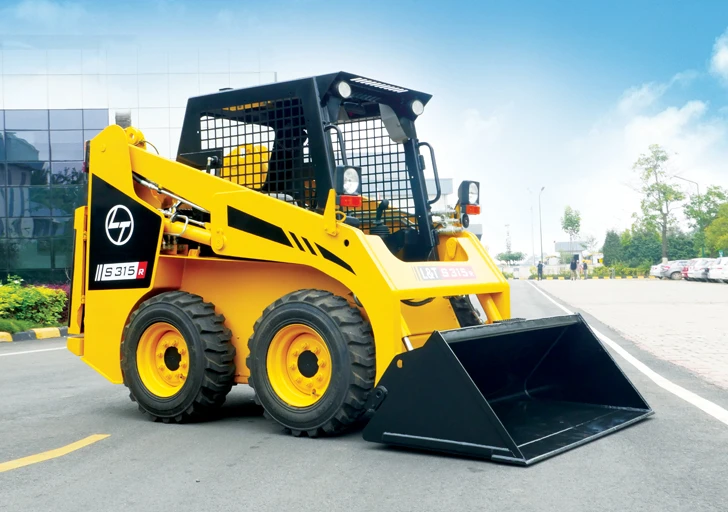
Sites develop habits around the equipment they have. The backhoe gets used for everything because it is familiar and it is there. Sometimes that is fine. Sometimes the job demands for a skid steer loader and the backhoe is a slower, less precise substitute.
A skid steer in tight spaces, around existing structures, or on jobs that require rapid repositioning and attachment changes does work that a backhoe cannot match on those specific tasks. Not because it is a better machine in general. Because it is the right machine for those conditions.
Efficiency comes from using the right tool without being attached to the one already on site.
The Diesel Engine as a Running Cost, Not a Fixed One
Fuel consumption on a diesel engine varies more than most operators realise depending on how the machine is being used. Aggressive throttle use, high idle times, loads that push the engine consistently near its limit. Each of those habits increases fuel burn without increasing output.
Operating in the right RPM range for the task, shutting down rather than idling between tasks, matching engine load to what is actually needed. These are not complicated adjustments. On a machine running eight hours a day the fuel saving over a month is real money.
Maintenance compounds this. A diesel engine running with a clean air filter and fresh oil performs closer to its rated efficiency. One running degrade costs more per hour of output and builds toward a repair that will cost far more than the maintenance would have.
Attachments Most Sites Underuse
Both backhoe loaders and skid steers support a range of attachments that most sites either do not know about or do not bother sourcing. Augers, hydraulic breakers, grading buckets, mulchers, pallet forks. Tasks that get done slowly with the standard bucket or handed off to separate equipment could often be handled faster with the right attachment on a machine already on site.
It requires knowing what is available for the specific machine and having a conversation at the planning stage rather than mid-project when the work has already started going slowly.
Planning the Day Before It Starts
The single most consistent difference between sites that run efficiently and those that do not is whether someone is actively coordinating the equipment schedule or leaving the day to sort itself out.
Which machine is needed where and when. Whether deliveries are timed around equipment availability. Whether the backhoe is positioned close to the next area of work before it is needed rather than after. Ten minutes at the start of the day covers most of this. It does not happen unless someone makes it happen.
That is the efficiency that is available on most sites right now without buying anything new or hiring anyone additional. It is just not being captured.