
The air in Port Blair doesn’t just announce itself. It settles in—thick and wet, hanging on your shoulders like a heavy old coat. There’s always this salty tang in the air, mixed with frying fish and the gritty stutter of autorickshaws climbing the hills. The city doesn’t pretend to be some untouched paradise. It’s a real working port, a cluster of cracked forest and tin roofs, hemmed in by the ocean. Colonial history still lingers—Cellular Jail’s sharp-edged shadows stretch across the neighborhoods, and you never quite forget these islands started off as places of exile, not vacation.
The islands only feel close on a map. In reality, everything is held together by a thin thread—supply ships, daily flights slipping through the clouds, and the hurried movement of people and goods. All of it feels slightly precarious, as if one fierce monsoon could snap those ties.
Getting to Havelock
If you want to hop islands, you’re at the mercy of the ferry schedules. They don’t bend for anyone. Down at the dock, chaos reigns. A young couple, sweating through new linen shirts, stands in the meager shade of a ticket booth, quietly debating the logistical specifics of the various Andaman tour packages they had researched. Their voices are abruptly lost to the deafening blast of the ship's horn.
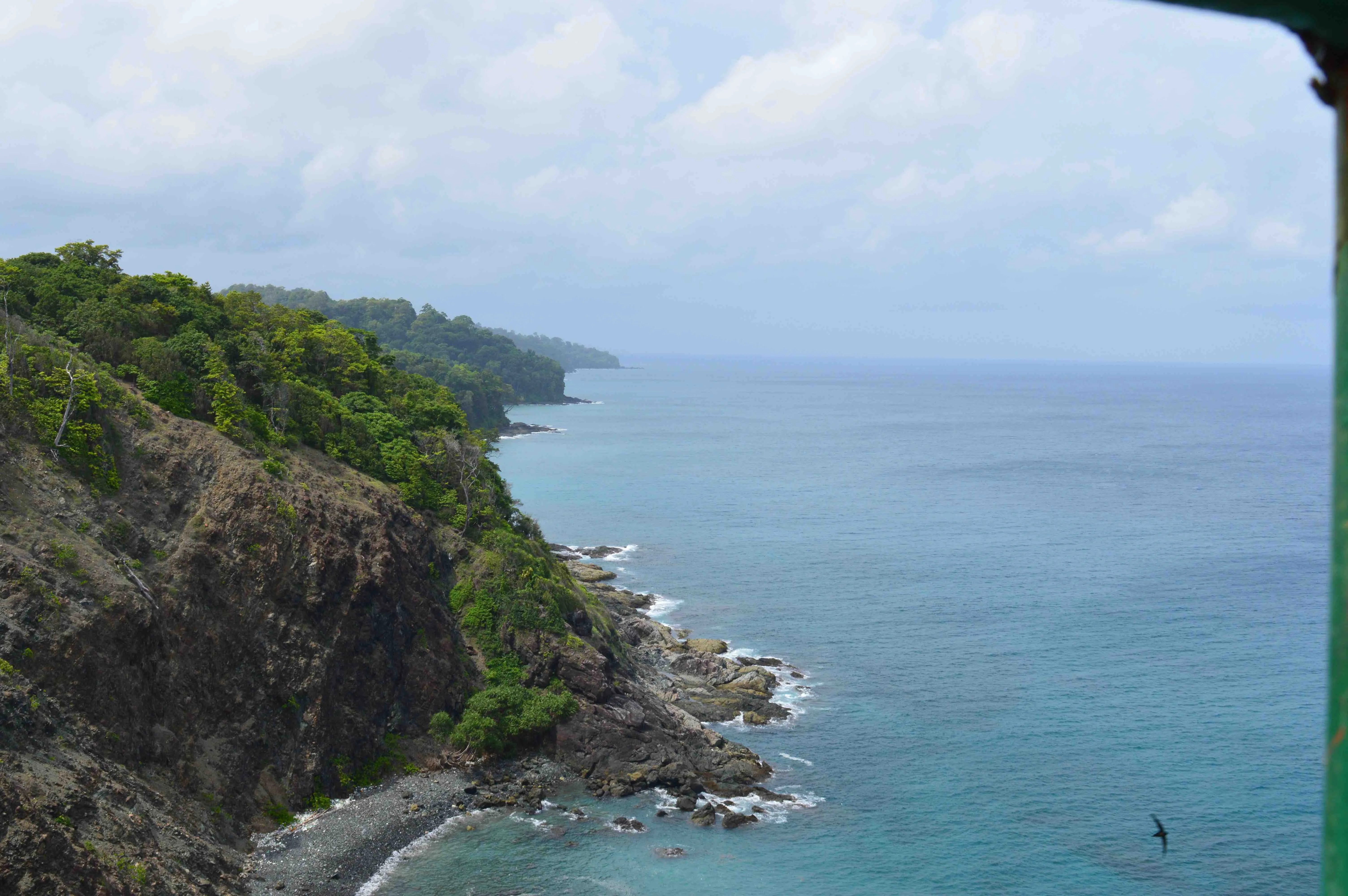
Then the ferry rumbles away and you finally start moving—out of the city’s tangle and into the wild blue channel. The water shifts from brown to that impossible deep blue, and everything smells of diesel and salt. Havelock, called Swaraj Dweep now, is less about hotels or schedules. The ocean calls the shots here.
Underwater Worlds and Simple Nights
The main drag on Havelock is dotted with dive shops and guesthouses, their wooden balconies decorated with soggy wetsuits whenever the breeze picks up. If you decide to dive, you quickly find it’s not all postcard reefs and colorful fish. You slip into another world entirely—quiet, cold, and strange—with sharp drops and dense corals that feel more ancient than anything back on land.
Back from the water, there’s a pecking order among travelers. The budget places don’t care about gloss. It’s just a bed, a spinning ceiling fan, mosquito nets that smell faintly of dust, and the dull surge of the waves nearby. And yet, that’s what some people want most—the realness of damp walls and jungle noise leaking through.
Neil Island: A Softer Edge
Head farther out and you reach Neil Island—Shaheed Dweep. The crowds thin. Time slows. You move at the pace of swaying palms and the whir of bicycle tires over a sticky road. Everything here is flatter, greener, quieter. Farmers work the black soil. Most traffic is just people on bikes or scooters coasting past endless rows of banana and coconut.
At a roadside stall constructed from scavenged wood, a family sits on plastic chairs, drinking silently from freshly hacked coconuts. Snippets of Kannada drift through the humid air; they are weary travelers on the tail end of an Andaman tour package from Bangalore, their faces showing the specific exhaustion that comes from navigating ferries, flights, and the unrelenting equatorial sun. Yet, they stare out at the flat expanse of the ocean with a quiet, absorbed intensity.
The Geography of Isolation
Traveling these islands is a lesson in distance. The mainland isn’t just far; half the time it vanishes altogether—especially when the Wi-Fi dies or the next boat is days away. The tropics force you to give in to the heat and rain, to the slow sprawl of time. Nothing fits neatly into categories out here. These islands stay complicated—lush, weathered, always humming with salt, damp earth, and growing things left to their own wild devices.