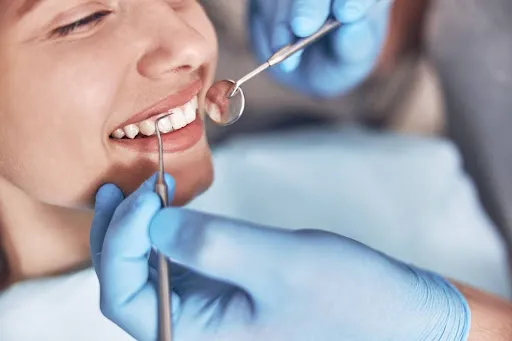
Maintaining a bright and healthy smile is more than just a cosmetic goal—it’s essential for overall health. One of the most effective ways to ensure your oral health is in top shape is through teeth cleaning. This routine dental practice not only enhances the appearance of your teeth but also plays a crucial role in preventing a variety of dental and systemic health issues.
What is Teeth Cleaning?
Teeth cleaning is a professional dental procedure aimed at removing plaque, tartar, and stains from your teeth. While regular brushing and flossing help maintain oral hygiene, they are often insufficient to remove hardened tartar and deeper plaque deposits. Dental cleaning is usually performed by a dentist or dental hygienist and can involve multiple techniques, including scaling, polishing, and sometimes fluoride treatments.
Regular cleaning visits are recommended every six months, although your dentist may suggest more frequent cleanings if you are prone to gum disease or other dental issues.
The Importance of Professional Teeth Cleaning
Many people underestimate the value of professional teeth cleaning. Beyond aesthetic benefits, professional cleaning helps maintain oral health in several ways:
- Prevents gum disease: Plaque buildup can lead to gingivitis, an early stage of gum disease. Regular cleaning removes plaque and tartar, reducing the risk of gum inflammation and infection.
- Fights bad breath: Persistent bad breath often originates from bacteria in plaque and tartar. Teeth cleaning removes these bacteria and keeps your breath fresh.
- Prevents cavities: By eliminating plaque, dental cleaning reduces the likelihood of tooth decay and cavities.
- Supports overall health: Poor oral health has been linked to systemic conditions like heart disease, diabetes, and respiratory infections. Maintaining clean teeth contributes to overall wellness.
Different Techniques of Teeth Cleaning
Dental professionals employ several techniques during a cleaning session, depending on your needs.
Scaling
Scaling is the process of removing plaque and tartar from the surface of your teeth and along the gumline. Dentists use specialized instruments or ultrasonic devices that vibrate to break up stubborn deposits without damaging your enamel.
Polishing
After scaling, teeth are polished to remove surface stains and smooth out the enamel. Polishing can restore the natural shine of your teeth and make it more difficult for plaque to accumulate on rough surfaces.
Flossing and Rinsing
Professional flossing reaches areas that regular brushing cannot, removing debris between teeth and under the gums. Additionally, some dental cleanings include antiseptic rinses that help kill bacteria and reduce the risk of infection.
Fluoride Treatment
In some cases, fluoride treatment is applied after cleaning. Fluoride strengthens tooth enamel, making it more resistant to decay and cavities. This step is particularly beneficial for children or individuals prone to frequent cavities.
How Often Should You Have Teeth Cleaning?
The frequency of professional cleaning depends on individual oral health. Most adults benefit from a cleaning every six months. However, those with certain conditions, such as periodontal disease, diabetes, or a tendency for heavy plaque buildup, may require more frequent visits—sometimes every three to four months.
Children also need regular cleaning as soon as their first teeth appear, and as they transition into permanent teeth, to prevent cavities and maintain healthy gums.
Home Care Tips to Complement Professional Cleaning
While professional 洗牙 is essential, maintaining oral hygiene at home is equally important. Here are some tips:
- Brush at least twice a day with fluoride toothpaste.
- Floss daily to remove plaque between teeth.
- Use an antibacterial mouthwash to reduce oral bacteria.
- Limit sugary snacks and drinks that contribute to plaque buildup.
- Stay hydrated to support saliva production, which naturally helps cleanse your mouth.
Signs You May Need Immediate Cleaning
Certain warning signs indicate that it’s time for professional attention:
- Persistent bad breath that doesn’t go away after brushing.
- Bleeding gums while brushing or flossing.
- Visible plaque or tartar buildup.
- Loose or shifting teeth.
- Gum inflammation, redness, or tenderness.
Ignoring these signs can lead to more severe dental problems, such as periodontitis, tooth decay, or even tooth loss.
Choosing the Right Dental Professional
Not all dental cleanings are created equal. Selecting a qualified dentist or dental hygienist is crucial to ensure a safe and thorough cleaning. Look for professionals with proper credentials, good reviews, and a friendly approach to patient care. Additionally, modern dental clinics often use advanced tools and techniques to make the cleaning process comfortable and effective.
Final Thoughts
Regular teeth cleaning is a cornerstone of good oral health. Beyond keeping your smile bright, it prevents gum disease, reduces the risk of cavities, and supports overall wellness. Combining professional cleaning with diligent home care ensures that your teeth remain healthy for years to come. Remember, a healthy mouth contributes to a healthy body, making dental cleaning an investment in both your smile and your overall well-being.