A clogged toilet is one of the most common and frustrating plumbing problems homeowners face. Whether it’s a slow-draining bowl or an overflowing toilet, knowing how to handle clogged toilet repair can save time, stress, and costly damage. This complete guide explains the main causes of toilet clogs, effective DIY solutions, and when it’s best to call a professional plumber.
Common Causes of a Clogged Toilet
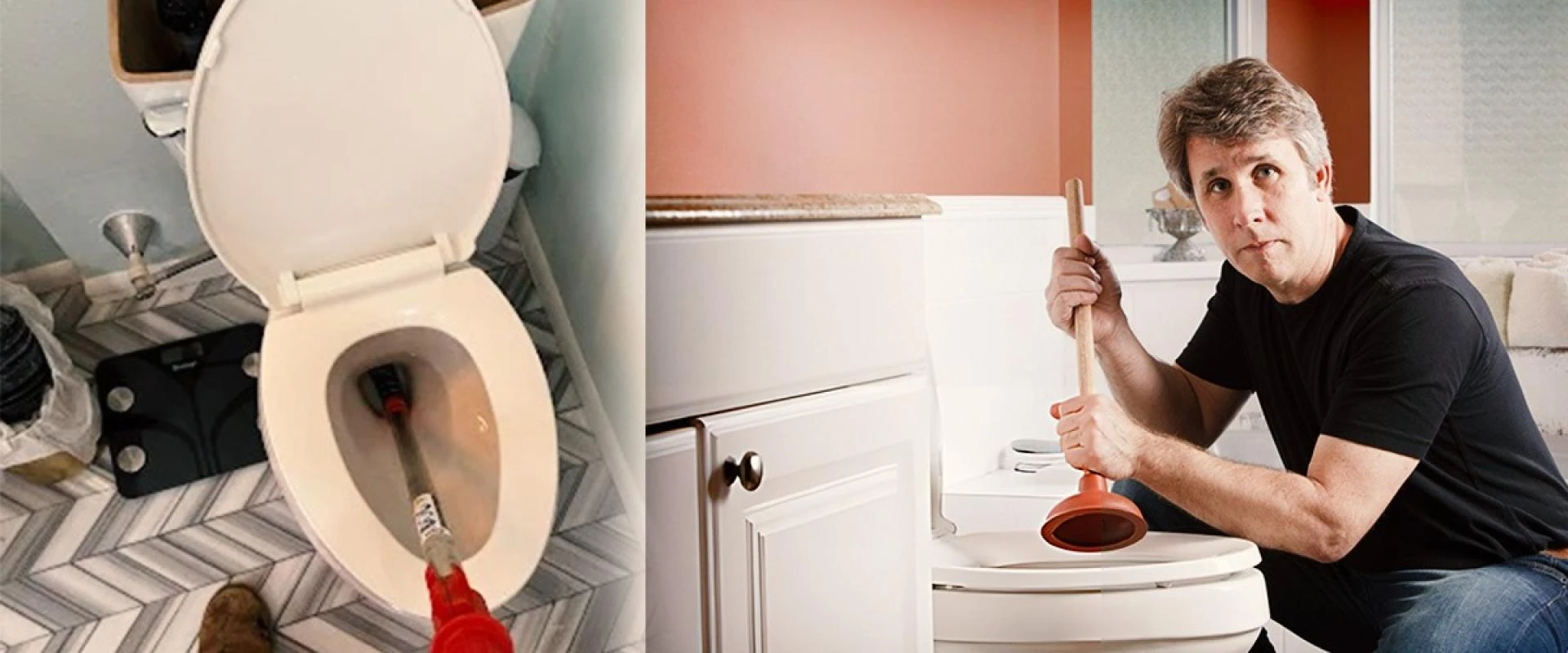
Understanding why your toilet is clogged is the first step toward a proper repair. One of the most common causes is flushing excessive amounts of toilet paper. While toilet paper is designed to break down, using too much at once can overwhelm the drain. Another frequent issue is flushing non-flushable items such as wipes, feminine hygiene products, paper towels, or cotton swabs.
Hard water buildup can also narrow pipes over time, leading to recurring toilet clogs. In older homes, aging plumbing systems or tree root intrusion may cause deeper blockages in the sewer line. Identifying the cause helps determine whether a simple fix or professional clogged toilet repair is required.
Signs You Need Toilet Clog Repair
Some toilet clogs develop gradually and give warning signs. Slow flushing, gurgling sounds, rising water levels, or water backing up into nearby drains are clear indicators of a blockage. Ignoring these signs can result in toilet overflow, water damage, and unsanitary conditions. Acting early can prevent a minor issue from becoming a major plumbing emergency.
DIY Methods for Clogged Toilet Repair
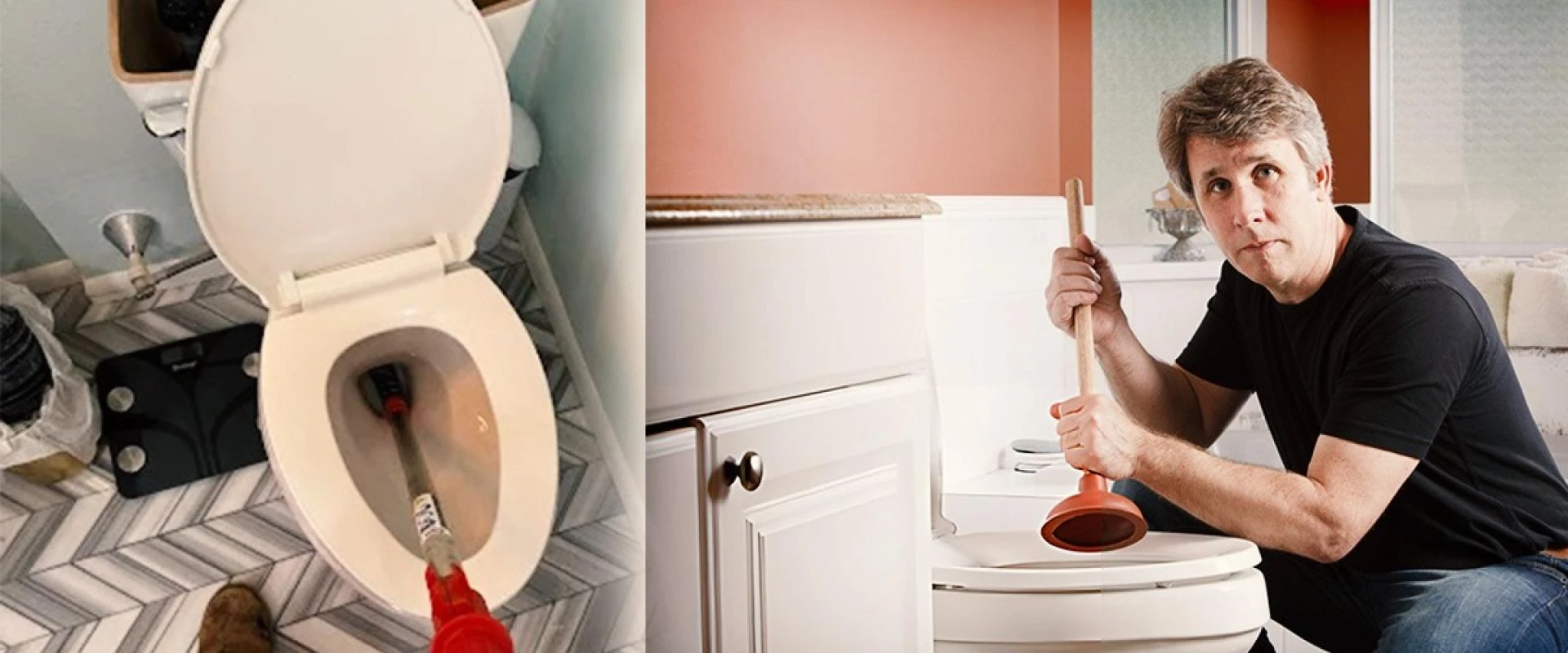
For minor toilet clogs, several DIY solutions can be effective. A plunger is often the most reliable tool for unclogging a toilet. Use a flange plunger, ensure a tight seal, and apply steady pressure. Many clogs clear within a few plunges.
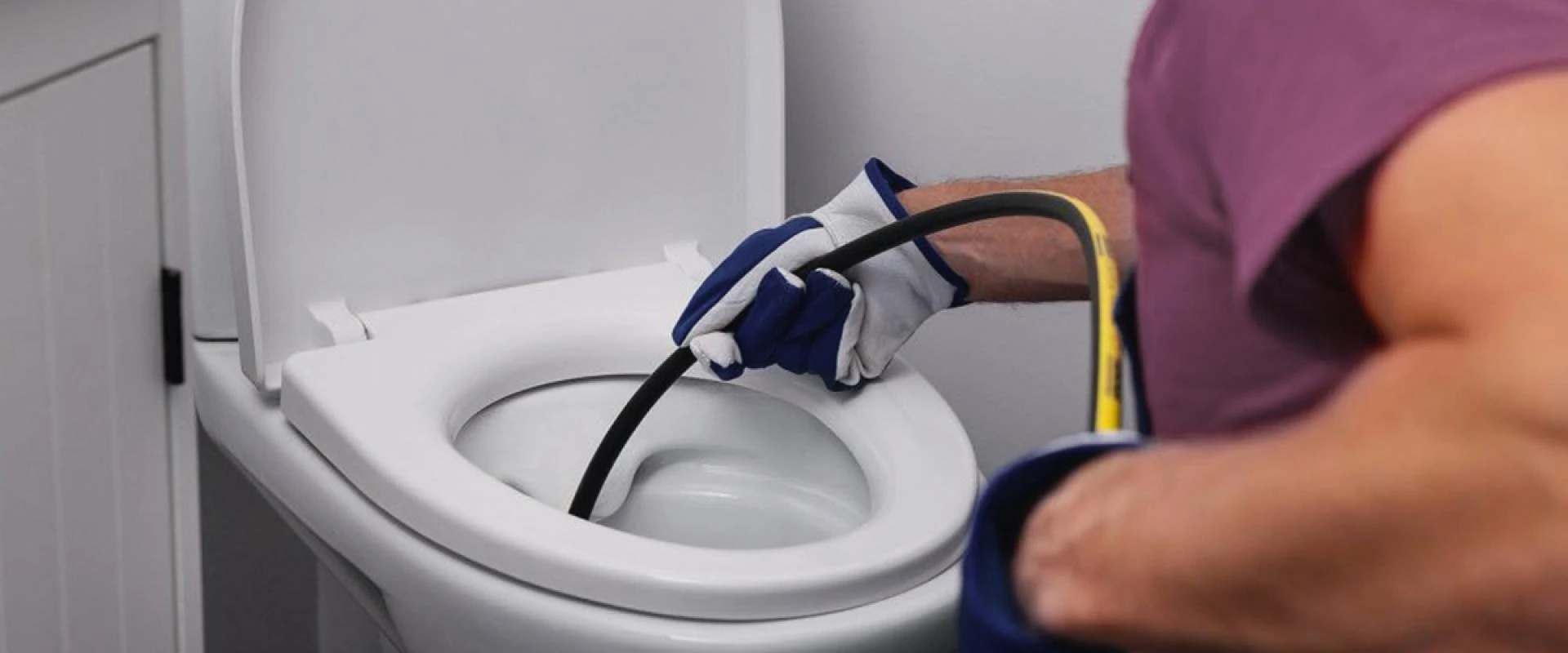
A toilet auger, also known as a plumbing snake, is another helpful tool for deeper blockages. It can break apart or retrieve debris stuck further down the drain. For organic clogs, a mixture of hot water and dish soap may help loosen the blockage. Avoid chemical drain cleaners, as they can damage pipes and harm septic systems.
When to Call a Professional Plumber
If DIY methods fail or clogs keep returning, it’s time to contact a professional plumber. Persistent toilet clogs often indicate a more serious problem, such as a sewer line blockage or damaged pipes. Professional clogged toilet repair services use advanced tools like drain cameras and hydro jetting to locate and eliminate the issue safely.
Hiring an expert also reduces the risk of pipe damage and ensures long-term solutions rather than temporary fixes. Professional plumbers can diagnose hidden problems and recommend preventive measures.
Tips to Prevent Future Toilet Clogs
Preventing toilet clogs is easier than dealing with repeated repairs. Only flush toilet paper and human waste, and use paper in moderation. Keep a waste bin in the bathroom for non-flushable items. Regular plumbing maintenance can help identify buildup or pipe issues early.
If you live in an area with hard water, installing a water softener can reduce mineral buildup. Teaching household members proper toilet use is another simple yet effective way to avoid frequent clogged toilet repair.
Final Thoughts
Clogged toilet repair doesn’t have to be overwhelming. By understanding the causes, recognizing early warning signs, and knowing when to seek professional help, homeowners can protect their plumbing systems and maintain a clean, functional bathroom. Prompt action and proper prevention are the keys to avoiding messy and expensive toilet problems in the future.