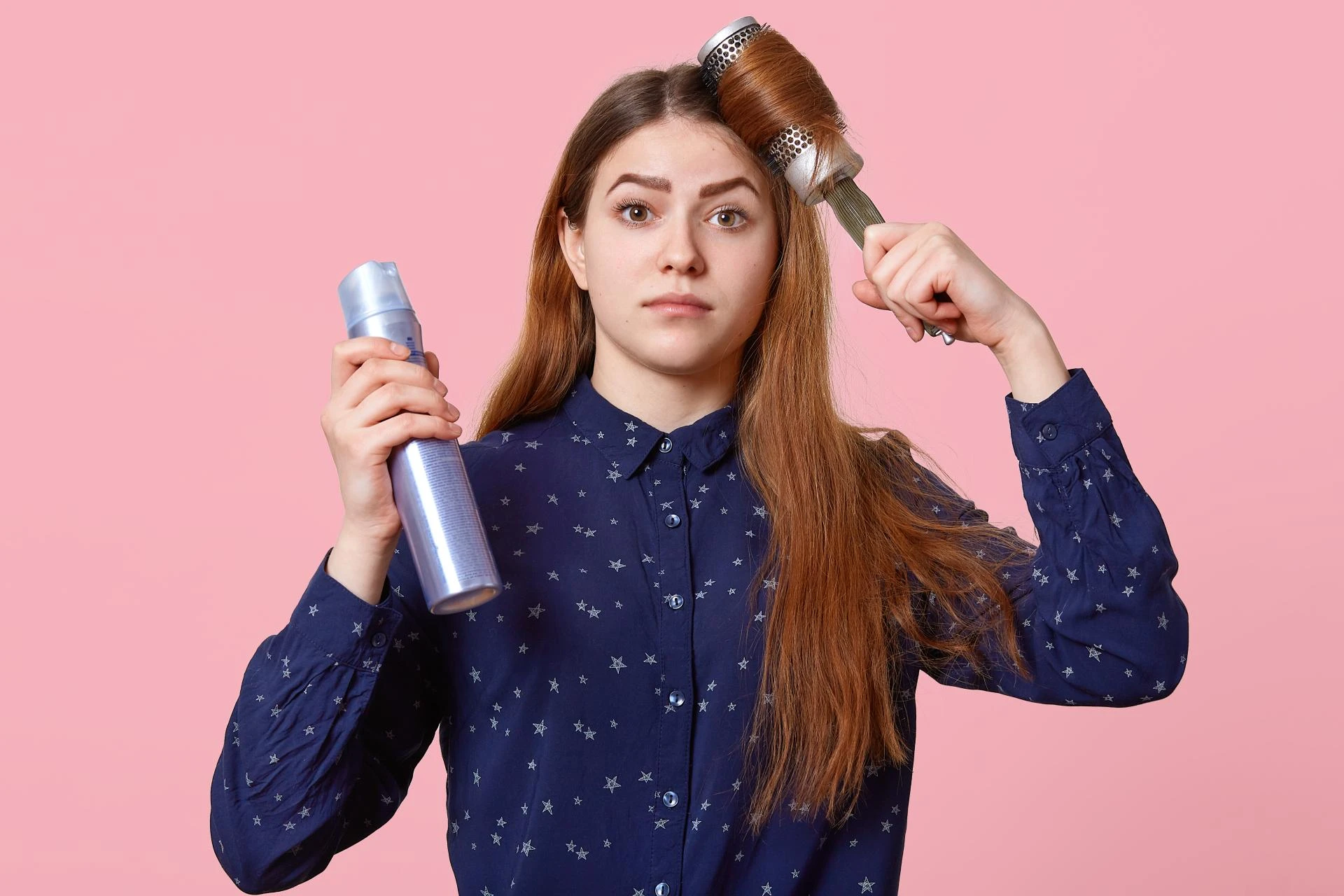
Healthy hair is not just about appearance; it reflects proper care, balanced nutrition, and the right product choices. Many people struggle with dryness, dullness, or persistent flakes that make hair look lifeless and difficult to manage. Environmental stress, excessive heat styling, chemical treatments, and even seasonal changes can weaken your strands and disrupt scalp health. When the scalp becomes irritated or the hair loses moisture, it shows through rough texture, lack of shine, and visible flakes. The solution lies in understanding your hair’s needs and building a routine that restores hydration while maintaining scalp balance. With consistent care and the right approach, you can transform brittle, flaky hair into smooth, vibrant locks.
Why Dry Hair Needs Targeted Moisture Support
Dry hair occurs when your scalp does not produce enough natural oils or when external factors strip moisture away from your strands. Overwashing, using harsh shampoos, and frequent heat styling can leave hair feeling rough and prone to breakage. When the protective outer layer of the hair shaft is compromised, moisture escapes easily, leading to dullness and split ends.
Switching to the best shampoo for dry hair can make a noticeable difference by replenishing lost hydration while gently cleansing the scalp. A well-formulated moisturizing shampoo helps smooth the cuticle, improve elasticity, and restore shine without weighing the hair down. Consistent use supports stronger strands that feel soft and manageable throughout the day.
To maximize results, always follow shampooing with a nourishing conditioner focused on the mid-lengths and ends. Incorporating a weekly deep-conditioning mask can further repair damage and strengthen hair fibers, preventing future dryness.
Understanding Dandruff and Scalp Imbalance
Dandruff is more than just a cosmetic concern; it often signals an imbalance in the scalp’s natural environment. Factors such as hormonal changes, product buildup, stress, and pollution can trigger excessive shedding of skin cells. This results in visible flakes, itchiness, and sometimes irritation.
Choosing a formula specifically designed to address these concerns is essential. Using a targeted dandruff shampoo for women can help cleanse the scalp thoroughly while calming sensitivity and controlling excess oil production. A balanced anti-dandruff shampoo works to reduce flakes without over-drying the scalp, ensuring comfort and long-term relief.
Proper washing technique also plays a vital role. Gently massage the shampoo into your scalp using circular motions to stimulate blood flow and remove buildup. Avoid scratching with your nails, as this can worsen irritation and prolong recovery time.
Building a Balanced Hair Care Routine
Creating an effective hair care routine requires attention to both scalp health and strand nourishment. Start by determining your primary concern, whether it is dryness, flaking, or a combination of both. Select products that target your specific needs rather than using generic solutions.
Wash your hair with lukewarm water to prevent moisture loss. Hot water can strip natural oils and worsen dryness. After cleansing, apply conditioner strategically, focusing on areas prone to dryness while keeping it away from the scalp if you experience flakes.
Incorporating protective practices such as limiting heat styling and using heat protectants can significantly reduce damage. Air-drying your hair whenever possible preserves moisture and minimizes stress on your strands.
The Importance of Nutrition and Hydration
Healthy hair starts from within. A balanced diet rich in proteins, vitamins, and essential fatty acids supports stronger, shinier hair. Nutrients like biotin, iron, and omega-3 fatty acids contribute to improved scalp health and reduced breakage.
Staying hydrated is equally important. Drinking adequate water helps maintain scalp moisture and prevents excessive dryness. Managing stress through exercise, meditation, or sufficient sleep can also reduce scalp issues and hair shedding.
Lifestyle choices such as avoiding tight hairstyles and reducing chemical treatments further protect your hair from unnecessary strain and damage.
Choosing Ingredients That Deliver Results
Understanding ingredient labels empowers you to make informed decisions about your hair care products. For dry hair, look for hydrating components such as natural oils, plant extracts, and proteins that strengthen the hair shaft. For dandruff concerns, prioritize gentle cleansing agents and soothing ingredients that maintain the scalp’s natural balance.
Avoid harsh sulfates and alcohol-heavy formulas if your hair is already dry, as they can worsen both dryness and flaking. Lightweight yet nourishing products are ideal for maintaining comfort while delivering visible improvements.
Consistency remains key to achieving long-term benefits. Allow your routine time to work before switching products, as noticeable changes may take a few weeks.
Long-Term Benefits of Proper Hair Care
When you commit to a consistent and targeted routine, your hair gradually becomes healthier and more resilient. Reduced flakes, enhanced softness, and improved shine are clear indicators that your scalp and strands are receiving the care they need.
Healthy hair is easier to style and requires less effort to maintain. Instead of battling dryness or irritation daily, you can enjoy smooth, manageable strands that boost your confidence and complement your look naturally.
Conclusion
Restoring dry and flaky hair requires patience, informed choices, and consistent care. By focusing on deep hydration and scalp balance, you create the foundation for long-lasting strength and shine. The right products, combined with healthy lifestyle habits, can transform dull, brittle hair into soft, vibrant strands. When you prioritize both your scalp and hair health, beautiful results follow naturally, helping you feel confident every single day.
Frequently Asked Questions
1. How often should I use shampoo for dry hair?
Most people benefit from washing two to three times a week, depending on how dry their hair feels and their daily activities.
2. Can dandruff be permanently cured?
While dandruff can be effectively managed with the right products and routine, it may return if scalp balance is disrupted again.
3. Should I condition my hair if I have dandruff?
Yes, conditioning the mid-lengths and ends is important to maintain moisture, but avoid applying conditioner directly to the scalp if you are prone to flakes.