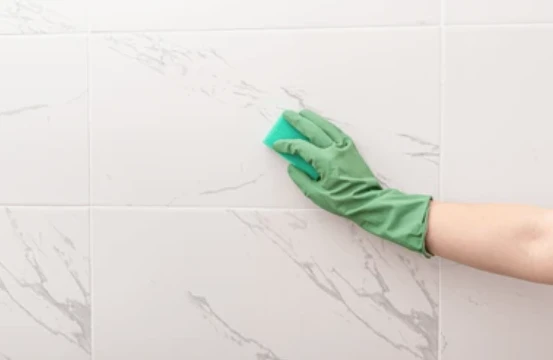
Tile flooring and tiled surfaces have long been admired for their durability, elegance, and ability to withstand moisture. From kitchens and bathrooms to hallways and commercial spaces, tile offers both aesthetic charm and practical functionality. However, the beauty of tile surfaces can gradually diminish as dirt, moisture, and debris accumulate in the grout lines.
Grout is naturally porous, meaning it easily absorbs contaminants over time. Even when tiles appear clean on the surface, grout lines may harbor bacteria, stains, and residue that standard household cleaning methods cannot fully remove. This is why regular maintenance and professional Tile & Grout Cleaning services play such an essential role in preserving the appearance and hygiene of tiled areas.
Professional restoration providers such as Voda Cleaning & Restoration of Minneapolis Southwest specialize in advanced cleaning techniques designed to restore tile surfaces to their original brilliance. With the right combination of preventive care and professional expertise, homeowners and businesses can maintain immaculate tile surfaces for years.
Understanding the Structure of Tile and Grout
Before exploring cleaning techniques, it is important to understand how tile and grout function together. Tiles themselves are typically made from ceramic, porcelain, or natural stone, all of which are known for their durability and resistance to moisture. These materials form a protective surface layer that resists staining and damage.
Grout, however, serves a different purpose. It fills the spaces between tiles, securing them in place and preventing water from seeping beneath the surface. Because grout is composed of a cement-based material, it contains microscopic pores that easily trap dirt, grease, and moisture.
Over time, this porous structure becomes a magnet for grime. As foot traffic increases and daily activities continue, grout lines begin to darken and lose their original color. This gradual deterioration highlights the importance of specialized Tile & Grout Cleaning techniques that reach deeper than routine surface cleaning.
Common Causes of Tile and Grout Stains
Many property owners assume that grout discoloration is simply the result of age. In reality, several everyday factors contribute to staining and deterioration.
Foot Traffic and Dirt Accumulation
In high-traffic areas such as entryways, hallways, and kitchens, tiny particles of dirt and sand are carried indoors on shoes. These abrasive particles become lodged in grout lines, gradually altering their appearance and creating stubborn stains.
Soap and Detergent Residue
Bathrooms frequently experience soap scum buildup. When soap, shampoo, and body wash residues combine with minerals in water, they create a sticky layer that traps additional dirt and bacteria.
Grease and Cooking Residue
Kitchen tiles and backsplashes are particularly vulnerable to grease particles released during cooking. These oils settle on tile surfaces and penetrate grout pores, leading to discoloration.
Mold and Mildew Growth
Moist environments such as showers and laundry rooms encourage mold and mildew growth. When moisture remains trapped within grout lines, it creates the perfect environment for microbial development.
Professionals at Voda Cleaning & Restoration of Minneapolis Southwest frequently address these issues through advanced restoration processes that remove embedded contaminants.
Daily Maintenance Habits for Cleaner Tile
Although professional cleaning plays a crucial role in restoration, daily maintenance significantly reduces buildup and prolongs the life of tiled surfaces.
Regular Sweeping and Vacuuming
Loose dirt and debris should be removed regularly. Sweeping or vacuuming prevents small particles from grinding into grout lines and scratching tile surfaces.
Gentle Mopping
Using a microfiber mop with a mild cleaning solution can effectively remove surface dirt without damaging grout. Excess water should be avoided because moisture may seep into grout pores.
Immediate Spill Cleanup
Spills from beverages, oils, and cleaning products should be wiped up immediately. Allowing liquids to remain on grout increases the likelihood of staining.
Proper Ventilation
Bathrooms and kitchens benefit from proper ventilation systems that reduce humidity levels. Lower humidity discourages mold growth and helps grout remain dry.
These preventative steps support the long-term success of professional Tile & Grout Cleaning treatments.
Professional Tile & Grout Cleaning Methods
When routine cleaning no longer restores the original appearance of grout lines, professional restoration techniques become necessary. Modern equipment allows technicians to remove deeply embedded dirt and bacteria safely.
High-Pressure Steam Cleaning
Steam cleaning is one of the most effective methods for deep tile restoration. Heated water vapor penetrates grout pores, loosening dirt and breaking down stubborn stains.
Specialized Cleaning Solutions
Professional cleaners use advanced chemical formulations designed to dissolve grease, soap residue, and mineral deposits without damaging the tile surface.
Rotary Scrubbing Technology
Rotary scrubbing machines use rotating brushes to agitate grout lines and lift trapped debris. This equipment allows technicians to clean large areas efficiently.
Extraction and Rinsing
After contaminants are loosened, powerful extraction equipment removes moisture and debris from grout lines, leaving surfaces clean and sanitized.
Companies like Voda Cleaning & Restoration of Minneapolis Southwest rely on these professional techniques to achieve results that traditional cleaning tools cannot replicate.
DIY Tile Cleaning Tips for Homeowners
Homeowners can maintain tile surfaces between professional visits using a few safe and effective methods.
Baking Soda Cleaning Paste
A paste made from baking soda and water can be applied to grout lines and gently scrubbed with a soft brush. This mixture helps lift light stains.
Vinegar and Warm Water
Vinegar diluted with water can remove mild mineral deposits and soap scum. However, this method should not be used on natural stone tiles because it may cause damage.
Hydrogen Peroxide for Stains
Hydrogen peroxide can help brighten discolored grout by breaking down organic stains.
Use Soft Brushes Only
Hard brushes or abrasive tools may damage grout and scratch tile surfaces. Soft bristles provide effective cleaning without causing harm.
While these methods can improve appearance, deeply embedded dirt often requires professional Tile & Grout Cleaning for complete restoration.
The Importance of Grout Sealing
After a thorough cleaning, grout sealing provides an essential layer of protection. Sealants penetrate grout pores and create a barrier that repels moisture, oils, and dirt.
Sealed grout lines resist staining more effectively and require less frequent deep cleaning. This protective coating also reduces the risk of mold and mildew growth in damp environments.
Most professionals recommend resealing grout every one to three years, depending on usage and environmental conditions. Restoration experts at Voda Cleaning & Restoration of Minneapolis Southwest often include grout sealing as part of their comprehensive cleaning services.
Signs That Professional Cleaning Is Needed
Many property owners wait until grout becomes extremely dark before seeking professional assistance. However, several early warning signs suggest it may be time for professional cleaning.
Persistent stains that do not disappear after mopping
Musty odors near tiled surfaces
Visible mold or mildew in grout lines
Grout lines that appear significantly darker than their original color
Tiles that look dull or cloudy despite regular cleaning
Addressing these issues early can prevent long-term damage and restore surfaces more efficiently.
Long-Term Benefits of Professional Tile Cleaning
Investing in professional tile maintenance offers advantages that extend beyond cosmetic improvements.
Clean grout improves indoor hygiene by removing bacteria and allergens that accumulate in porous surfaces. Professional restoration also enhances the overall appearance of a property, making spaces look brighter and more inviting.
Additionally, regular professional cleaning can extend the lifespan of tile installations. When dirt and moisture remain trapped in grout lines, they may weaken the structure over time. By removing these contaminants, restoration specialists help preserve the integrity of tiled surfaces.
Organizations such as Voda Cleaning & Restoration of Minneapolis Southwest continue to highlight how professional cleaning contributes to healthier, more attractive living environments.
Conclusion: Maintaining Beautiful Tile Surfaces
Tile flooring and walls remain among the most reliable and visually appealing design choices for modern homes and commercial buildings. However, their long-term beauty depends heavily on proper care and maintenance.
Grout lines, though often overlooked, require particular attention because of their porous structure and tendency to trap dirt and moisture. Regular maintenance, combined with professional Tile & Grout Cleaning services, ensures that tiled surfaces remain clean, hygienic, and visually stunning.
By adopting smart daily cleaning habits, scheduling periodic professional restoration, and protecting grout with sealants, property owners can maintain the brilliance of their tile installations for many years. With expert support from professionals like Voda Cleaning & Restoration of Minneapolis Southwest, even heavily soiled surfaces can be transformed into fresh, revitalized spaces that reflect both cleanliness and care.