
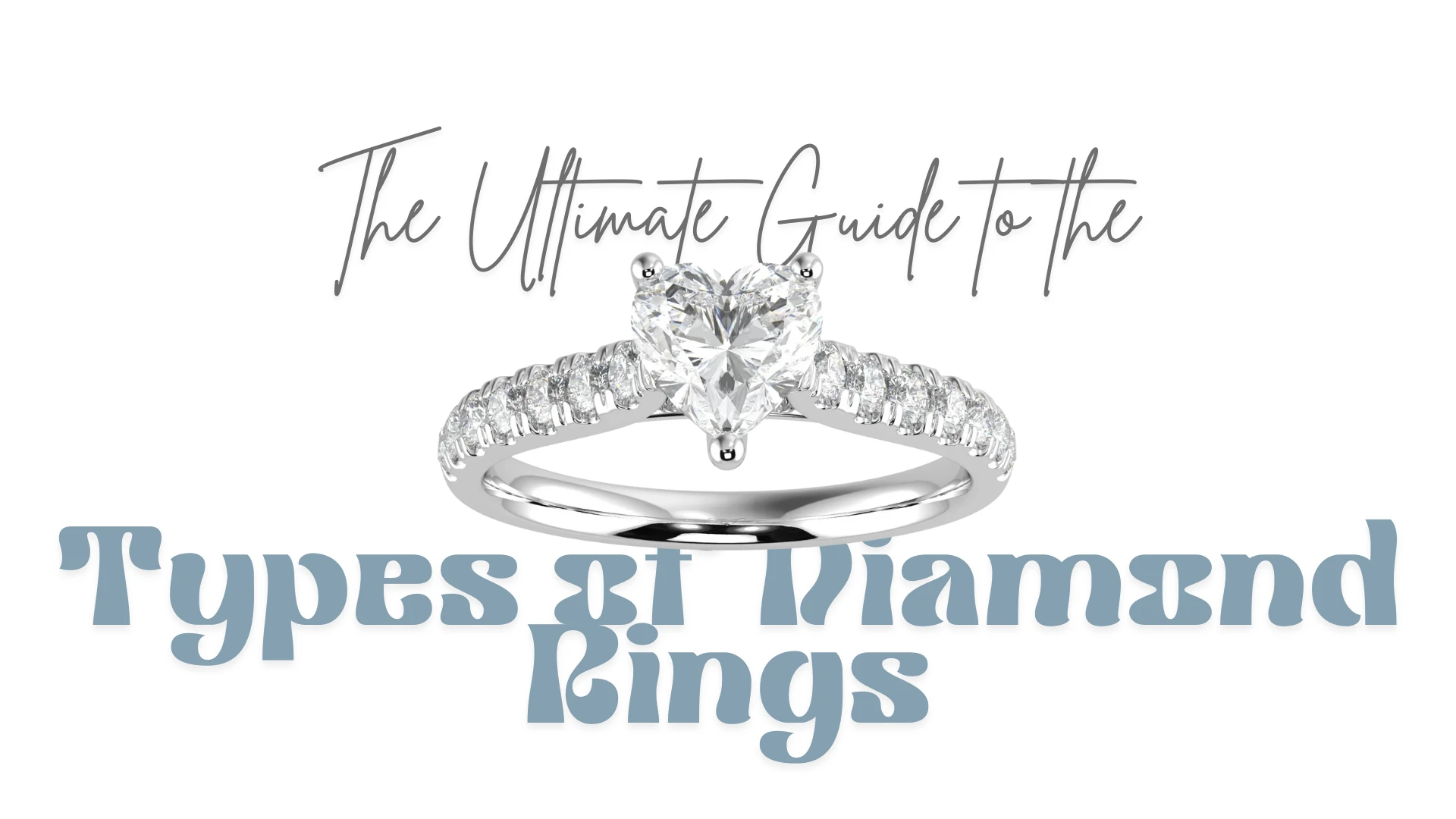
For centuries, the diamond ring has stood as the ultimate symbol of commitment, milestone, and personal style. Whether it is an engagement ring designed to last a lifetime or a right-hand ring meant to celebrate a personal achievement, the "perfect" diamond ring is a highly subjective blend of geometry, light, and emotion. In the past, selecting such a piece required multiple visits to a high-pressure showroom, but the landscape of luxury has changed. Today, the ability to browse and compare diamond jewelry online has empowered consumers with unprecedented access to grading reports, high-definition imagery, and a global inventory of styles, making the search for the perfect ring more transparent and personalized than ever before.
However, with more options comes more responsibility to understand the nuances of what makes a ring unique. From the architectural structure of the setting to the origin of the stone itself, every choice you make tells a story. This guide breaks down the essential types of diamond rings to help you navigate the beautiful complexity of fine jewelry.
1. The Setting: The Stage for the Sparkle
The setting is the foundation of the ring. It determines how the diamond is held, how light interacts with the stone, and how the ring feels on the finger.
The Solitaire
The solitaire is the most iconic and timeless of all diamond rings. Featuring a single diamond mounted on a plain band, this style is designed to let the stone do all the talking. Because there are no side stones to distract the eye, the quality of the center diamond—its cut, color, and clarity—is paramount. The solitaire is favored by those who appreciate "understated elegance" and want a ring that will never go out of style.
The Halo
A halo setting features a central diamond surrounded by a "frame" of smaller pavé-set diamonds. This style is a favorite for those looking to maximize their visual impact. The primary benefit of a halo is that it makes the center stone appear significantly larger—sometimes up to half a carat larger to the naked eye. Additionally, the extra diamonds provide a boost of brilliance that can mask minor inclusions in the center stone.
The Three-Stone (Trilogy) Ring
Often representing a couple's "past, present, and future," the three-stone ring is a romantic and balanced choice. While traditionally featuring three round diamonds, modern versions often use different shapes for the side stones, such as pear, baguette, or trillion cuts, to create a unique silhouette. This style offers more finger coverage and a bolder look than a standard solitaire.
Pavé and Side-Stone Rings
For those who believe there is no such thing as too much sparkle, pavé settings involve "paving" the band with tiny diamonds. This creates a continuous shimmer that wraps around the finger. Side-stone rings, on the other hand, feature larger diamonds set into the band or flanking the center stone, adding weight and texture to the overall design.
2. The Stone Origin: Natural vs. Lab-Grown
One of the most significant decisions a modern buyer faces is the origin of the diamond. While they are chemically, physically, and optically identical, the "story" behind them differs.
Natural Diamond Jewelry
Natural diamond jewelry carries the weight of history. These diamonds were formed billions of years ago, hundreds of miles beneath the Earth’s surface, under conditions of extreme heat and pressure. For many, the appeal of a natural diamond lies in its rarity and the fact that it is a finite resource. It is a piece of the Earth’s ancient history that has survived a volcanic journey to reach the surface. Natural diamonds are often viewed as a traditional investment and a romantic heirloom with a unique geological fingerprint.
Lab Grown Diamond Jewelry
On the cutting edge of the industry is lab grown diamond jewelry. These stones are created by replicating the Earth’s natural processes in a controlled laboratory environment. Because they are 100% carbon, they possess the same "fire" and "scintillation" as mined stones. The primary advantage of lab-grown diamonds is value. Because the supply chain is shorter and less invasive, lab-grown diamonds generally cost 40% to 60% less than natural stones of the same quality. This allows buyers to opt for a much larger carat weight or a higher clarity grade while staying within their budget. Furthermore, for the eco-conscious consumer, lab-grown diamonds offer a transparent and sustainable origin story.
3. The Shape: Defining the Silhouette
The "cut" of a diamond refers to its facets, but the "shape" refers to its overall geometry. The shape you choose is the most immediate expression of your personality.
- Round Brilliant: The most popular shape, specifically engineered to offer the maximum amount of light return and sparkle. It is the gold standard for brilliance.
- Princess Cut: A square shape with sharp, contemporary corners. It offers a modern look with a brilliance that rivals the round cut.
- Oval Cut: A trendy and sophisticated choice. Because of its elongated shape, an oval diamond can make the finger look longer and more slender.
- Emerald Cut: A rectangular shape with "step-cut" facets. Unlike the sparkle of a round diamond, the emerald cut offers "flashes" of light and a "hall-of-mirrors" effect. It requires a high clarity grade because inclusions are more visible in this open style.
- Pear and Marquise: These "fancy" shapes are perfect for the individualist. Their pointed ends add an architectural edge to the ring.
4. The Metal: Completing the Palette
The metal you choose acts as the "frame" for your diamond, and it can drastically change the stone's appearance.
- White Gold and Platinum: These are the most popular choices for diamond rings. The silvery hue of the metal blends seamlessly with a colorless diamond, making the stone appear larger and more brilliant. Platinum is more durable and hypoallergenic, while white gold is a more affordable, lightweight alternative.
- Yellow Gold: Currently enjoying a massive resurgence, yellow gold provides a warm, vintage-inspired contrast to a white diamond. It is particularly forgiving for diamonds with a slightly lower color grade (like J or K), as the warmth of the metal masks the faint yellow tints in the stone.
- Rose Gold: This pinkish-hue metal is created by mixing gold with copper. It offers a romantic, feminine, and unique aesthetic that stands out from the crowd.
5. Beyond the Engagement: Eternity and Anniversary Rings
Diamond rings are not solely the domain of the engaged. Eternity rings, which feature a continuous line of identically cut diamonds circling the entire band, are the ultimate symbol of an unbroken bond. These are frequently given as anniversary gifts or to mark the birth of a child.
Anniversary bands might only feature diamonds on the top half of the ring (often called a "half-eternity"), allowing for easier resizing and more comfort for daily wear. These rings are designed to be stacked alongside an engagement ring and wedding band, creating a "stack" that tells the chronological story of a relationship.
How to Choose the Right One
With so many variables, the process of choosing a diamond ring can feel overwhelming. The key is to prioritize what matters most to you.
If you value tradition and the idea of a rare geologic treasure, focus on natural diamond jewelry. If you want the most "bang for your buck" and a larger, flawless-looking stone, lab grown diamond jewelry is your best path.
When it comes to the style, look at your existing jewelry collection. Do you lean toward the minimalist? A solitaire in white gold is your best bet. Do you love vintage glamour? Look for a halo or an emerald cut in yellow gold.
Finally, leverage the tools of the modern age. Shopping for diamond jewelry online allows you to view 360-degree videos of the exact stone you are buying, ensuring there are no surprises when the box arrives.
Conclusion
A diamond ring is one of the few items you will ever purchase that is intended to last forever. Whether it is a testament to love, a symbol of success, or an expression of personal fashion, understanding the different types of settings, stones, and shapes ensures that your investment is as informed as it is beautiful. From the classic brilliance of a round solitaire to the modern sparkle of a lab-grown halo, there is a ring for every story.