Roofs keep buildings safe from the outside world, but they can also become risky areas for people working on them. One of the most overlooked hazards is the skylight. While skylights brighten up spaces with sunlight, they are fragile and can easily mislead workers into thinking they are as strong as the rest of the roof. To avoid tragic accidents, property owners need reliable skylight fall protection systems.
This guide explains why skylight safety matters, the protective methods available, and how these solutions keep both workers and buildings secure.
Why Skylights Are a Hidden Danger
Skylights look solid from a distance but are usually made from glass, acrylic, or other lightweight materials. These materials are good for letting in light but are not meant to support the weight of a person. If a worker accidentally steps or trips on a skylight, the surface may give way instantly, leading to a fall.
For schools, warehouses, offices, and industrial units, this is a very real safety concern. Roof access is often required for cleaning, inspections, or repairs. Without skylight fall protection, workers are left at constant risk every time they step on the roof.
Main Types of Skylight Fall Protection
There are several popular ways to prevent accidents caused by skylights.
- Protective Screens
- Metal screens can be fitted directly over skylights. They are strong enough to stop someone from falling through while still allowing natural daylight to enter.
- Safety Guardrails
- Railings around a skylight make the danger visible and stop workers from unknowingly stepping too close.
- Roof Walkways and Access Platforms
- By adding designated paths and platforms, workers can reach roof equipment safely without walking near skylights.
- Skylight Covers
- Covers built with durable steel, aluminium, or reinforced plastic provide a solid shield to support foot traffic.
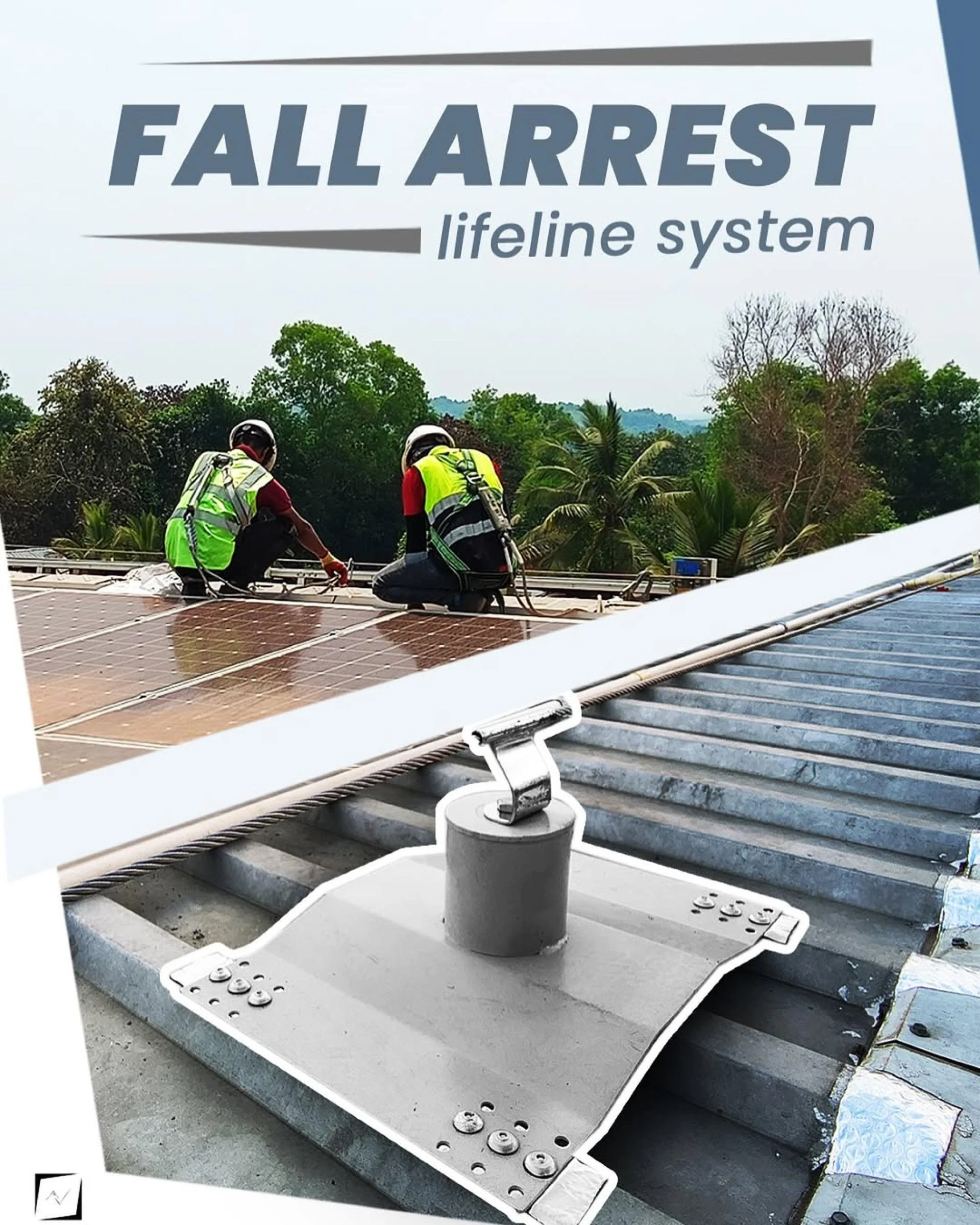
Each method ensures a layer of protection, and many buildings use a mix of these solutions for maximum safety.
Benefits of Installing Skylight Fall Protection
Keeping workers safe is the primary goal, but there are other important gains:
- Longer Roof Life: Protective systems reduce roof surface damage caused by accidents or repeated traffic near skylights.
- Legal Compliance: Many workplace safety regulations make fall protection mandatory. Installing these measures avoids fines.
- Reduced Liability: Preventing accidents lowers the risk of legal claims or compensation costs.
- Peace of Mind: Employees, staff, and even parents in schools feel reassured when visible safety steps are in place.
Where Skylight Safety Is Essential
You’ll find skylight protection systems in many types of buildings:
- Educational Institutions: Schools and colleges often have rooftops with skylights above halls or classrooms. Maintenance work must be risk-free.
- Factories and Warehouses: Large industrial roofs use skylights for cost-saving sunlight. Workers repairing machines or checking vents need safety measures.
- Hospitals and Offices: Skylights in service areas or corridors bring light but require covers or rails to keep roof workers secure.
Prevention Is Always Cheaper than Repair
Some owners hesitate, thinking safety systems are an added expense. However, the reality is that one fall accident can cost much more than preventive measures. Beyond medical emergencies, accidents can cause damage to property, downtime, and even lawsuits.
Installing skylight fall protection is like wearing a seatbelt. You hope never to need it, but if trouble comes, it can be life-saving.
Choosing the Best Option
Not every roof is the same, so the right protection depends on the building’s design and how often the roof is used. Guardrails may suit high-traffic areas, while simple screens can work where access is limited. Consulting a safety expert helps decide the most effective mix of solutions.
Final Thoughts
Skylights are useful for natural lighting, but they should never compromise worker safety. Installing the right skylight fall protection turns risky rooftops into secure working areas.
By acting early, building owners not only make their rooftops safer but also show genuine care for workers, students, and staff. Safety should never be optional; it should always come first.