
Introduction
For small businesses, having a strong online presence is no longer optional, it’s essential. Search Engine Optimization (SEO) is one of the most cost-effective ways to attract new customers, improve visibility, and grow your brand online. By optimizing your website and digital content, small businesses can compete with larger companies and reach their target audience effectively.
What is SEO and Why It Matters
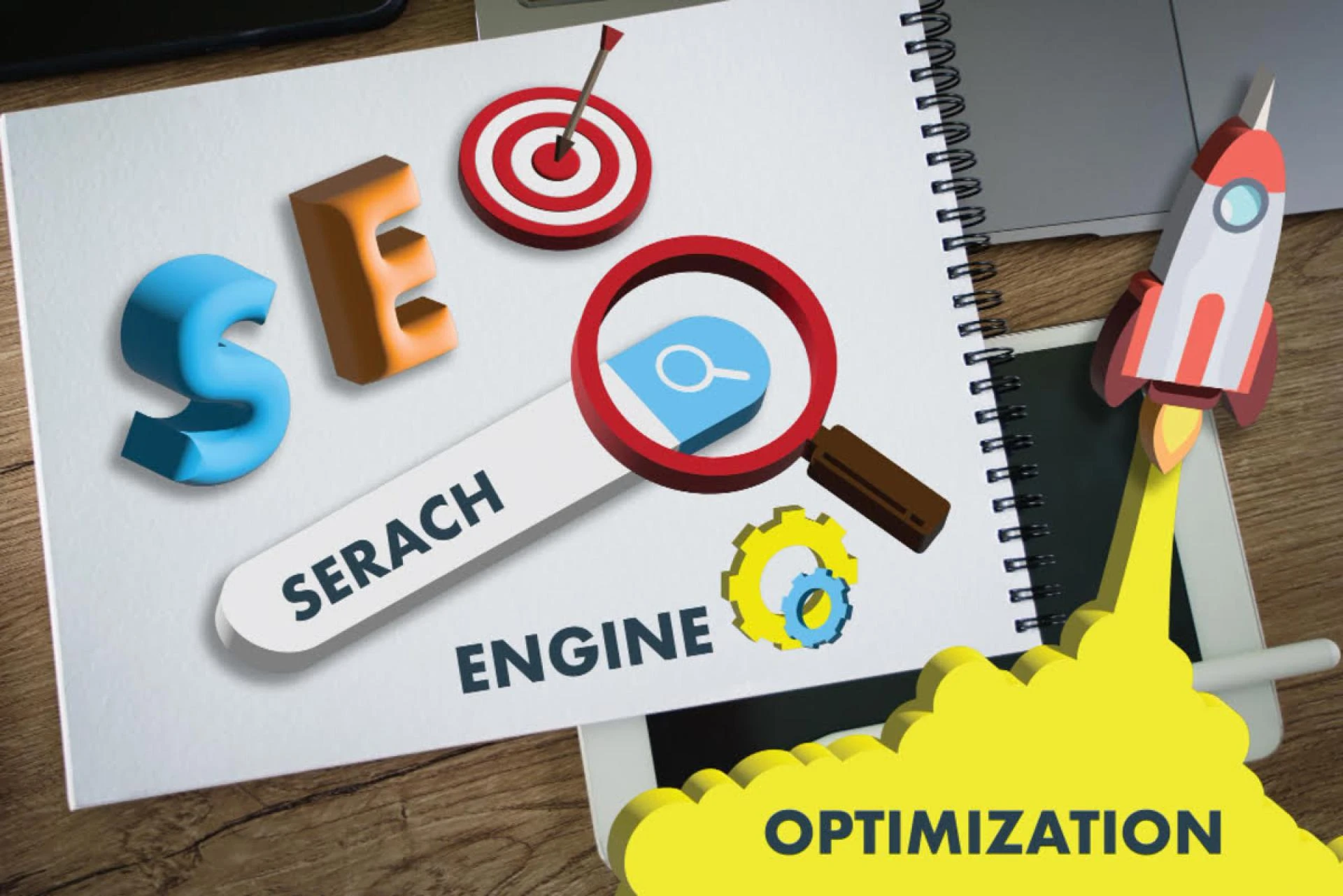
SEO stands for Search Engine Optimization, the practice of improving your website to rank higher in search engine results. When your website appears on the first page of Google, potential customers are more likely to visit, increasing the chances of converting them into leads.
For small businesses, SEO is especially important because:
- It drives organic traffic, which is cost-effective.
- It builds brand credibility and trust.
- It helps target local customers.
- It provides measurable results with analytics tools.
Key SEO Strategies for Small Businesses
1. Optimize Your Website
A well-structured, fast-loading, and mobile-friendly website is the foundation of SEO. Ensure your site has:
- Clear navigation
- Responsive design for mobile users
- Fast loading speed
- Optimized images and media
Working with a professional agency like Mid-Hudson Web can help small businesses create SEO-friendly websites that attract and convert visitors.
2. Conduct Keyword Research
Keywords are the phrases your potential customers type into search engines. Use tools like Google Keyword Planner or SEMrush to find relevant keywords for your business. Focus on:
- Local keywords (e.g., “web development company Hudson Valley”)
- Long-tail keywords (more specific searches)
- High-intent keywords (people ready to purchase or inquire)
3. Create High-Quality Content
Content is king in SEO. Publishing helpful blog posts, guides, and tutorials can attract organic traffic. Your content should:
- Answer customer questions
- Solve common problems
- Include targeted keywords naturally
For example, digital marketing and web development insights from Mid-Hudson Web can be used to educate your audience and build authority.
4. Optimize On-Page SEO
On-page SEO includes everything you can control on your website, such as:
- Meta titles and descriptions
- Header tags (H1, H2, H3)
- Image alt texts
- Internal linking between pages
Proper on-page SEO ensures search engines understand your content and index it correctly.
5. Build High-Quality Backlinks
Backlinks from reputable websites signal to Google that your site is trustworthy. Strategies for small businesses include:
- Guest posting on industry blogs
- Partnering with local businesses
- Creating shareable content like infographics
Guest posting platforms like The OmniBuzz allow small businesses to include natural backlinks to websites such as https://midhudsonweb.com/, boosting domain authority and traffic.
6. Leverage Local SEO
For small businesses targeting nearby customers, local SEO is crucial. Ensure your business is listed on:
- Google Business Profile
- Bing Places
- Local directories
Include your location in website content, meta tags, and backlinks to appear in local searches.
7. Track and Analyze Results
Use tools like Google Analytics and Google Search Console to monitor:
- Traffic sources
- User behavior
- Keyword rankings
- Conversion rates
Regular analysis helps adjust your SEO strategy for better results.
Conclusion
SEO is one of the most powerful tools for small businesses to grow online. By optimizing your website, creating valuable content, building backlinks, and focusing on local SEO, small businesses can attract quality leads and compete with larger companies.
For businesses looking for professional guidance, Mid-Hudson Web offers comprehensive web development and digital marketing services that help small businesses improve online visibility, generate leads, and achieve long-term growth.