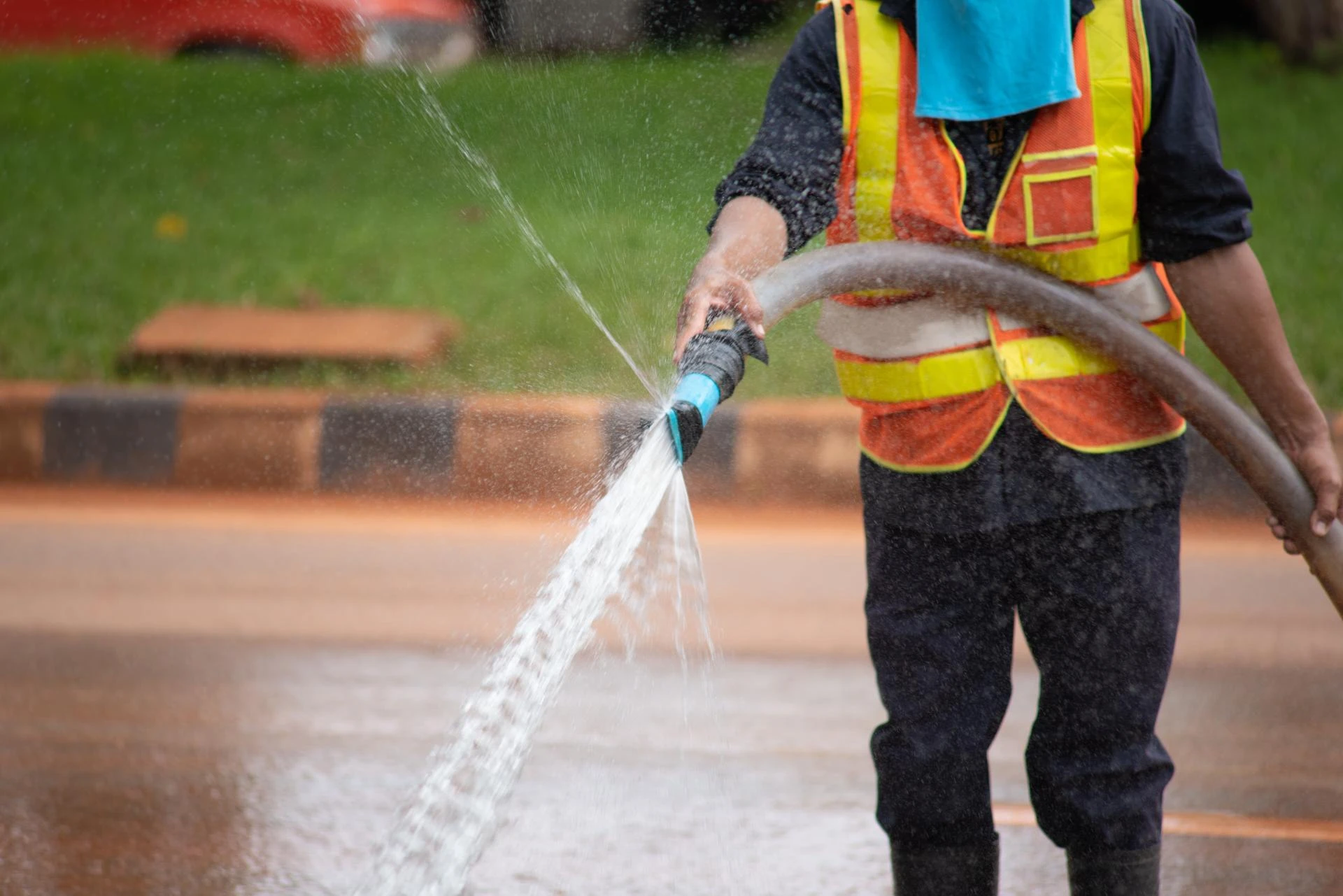
Water blasting with high pressure has changed our cleaning, surface preparation, and industrial maintenance strategies. It is an extremely effective cleaning tool that uses the power of high pressure water blasting to address the trickiest cleaning processes throughout industries. Since it can be used to remove stubborn paint and rust and to prepare surfaces on which coatings are to be applied, water blasting is an ecologically friendly and very efficient method. This gives an indication of the main issues that affect the success and safety of high-pressure water blasting operations that must be understood by anyone working in industrial cleaning, maintenance, or surface preparation. The guide dwells upon key provisions that should be addressed by the professionals to ensure the best outcomes, safety standards, and efficiency in the workplace.
Pressure Selection and Equipment Specifications
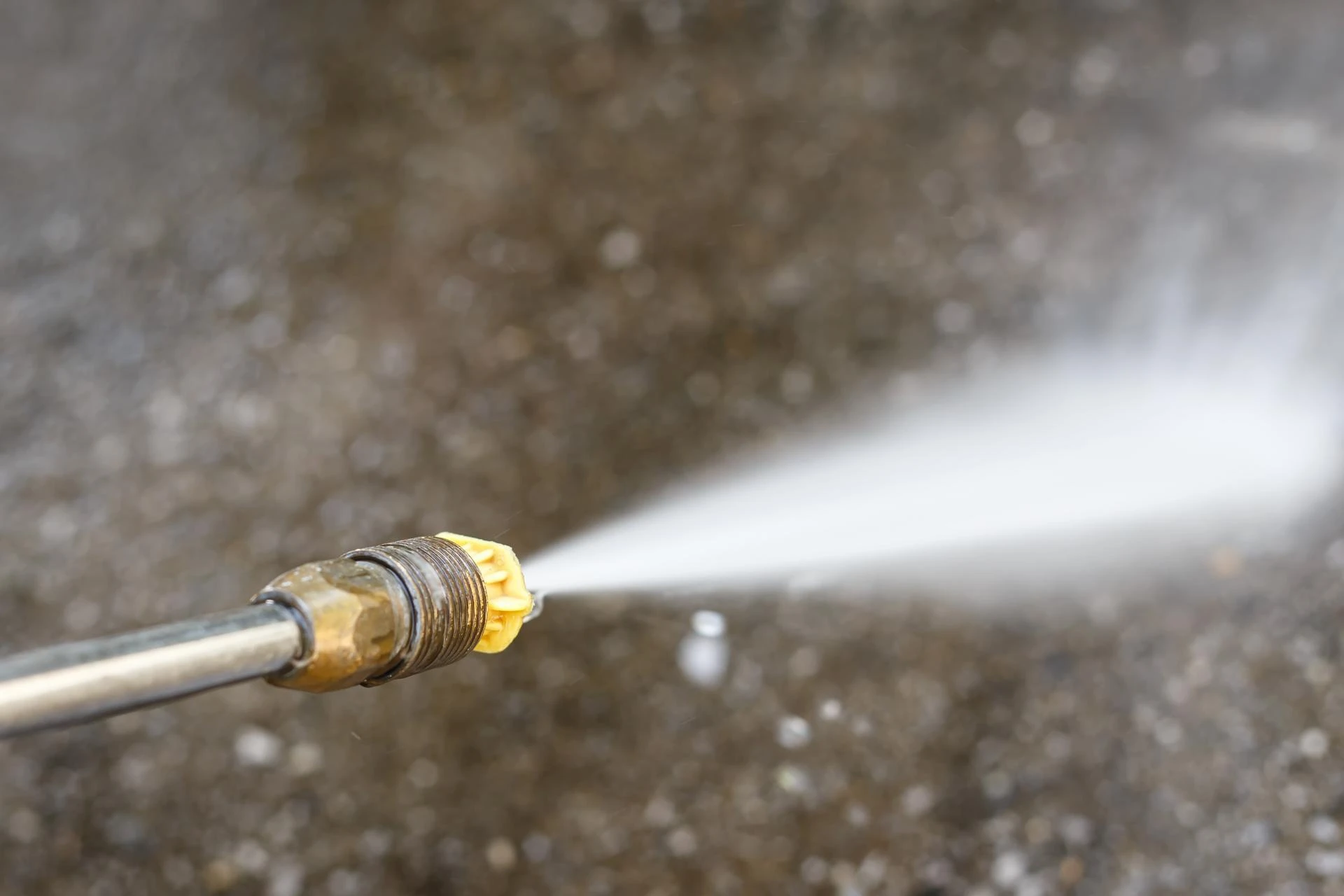
Successful high-pressure water blasting has its premises rooted in the selection of the most suitable levels of pressure according to your purposes. Water blasting devices usually operate within 5000 to 40000 PSI, whilst ultra-high pressure systems permanently stretch past 40000 PSI, as the models that are used in selected applications. The pressure is decided by the nature of the substance that is being cleaned, the nature of the contaminant, and the final finish of the surface. The pressures which are lower around 5,000-10,000 PSI are helpful in general cleaning activities, and medium pressures of 10,000-25,000 PSI are perfect in paint removal and surface preparation. The stronger forces above 25,000 PSI are mainly used in heavy-duty jobs of concrete cutting and industrial cleaning. On the one hand, being familiar with the capabilities and limits of your equipment is an absolutely necessary step in your way to choosing the pressure to be used in every task you need to complete to be sure of its efficiency and in avoiding damage to the underlying bodies.
Water Quality and Filtration Requirements
The quality of the water is an important factor in deciding the efficiency and durability of the pressure water blasting procedure. Clean water is good and it guarantees the nozzle is not going to be clogged, wear on other components of the system are minimized, and the cleaning is carried out with uncontaminated performance all through the cycle. Sensitive components of the equipment can also be destroyed by the presence of sand, debris and chemicals as pollutants and this can impact on the results of the cleaning procedures. Proper and sufficient filtration devices are installed that exclude the installation of such objects that can lead to water flow blockage or the damage of delicate components. Periodic tests on the quality of water enable identification of the problem before the time it is able to affect activities.
Safety Protocols and Personal Protective Equipment
The problem of safety will always be the most important during high-pressure water blasting since the forces are very great. The employees should take adequate personal protection gear such as waterproof attire, safety goggles, hearing protection, and slip-resistant shoes. The water blast is of high pressure, which might cause severe infection to the victim, like cuts, bruises, and injection injuries that go below the flesh. This is through the designation of clear areas of work, so that unauthorized individuals cannot enter the risky areas. It is necessary to train an operator properly on how to operate the equipment, emergency procedures, and recognize hazards. Semi-annual safety meetings and equipment check-ups allow the employee to determine possible risks before they become a critical issue.
Surface Preparation and Assessment Techniques
A proper pre-assessment of the surface before commencing water blasting services guarantees maximum outcome and avoids wastage on materials. Various surfaces require varied treatments and any information that may be available on the material used on the surface will help in determining the appropriate amount of pressure and the methods. Examine the surface and look out for any severe damages, weak points, or areas that may be susceptible to water infiltration. Eliminate the loose waste material and determine the thickness of the coating or other layers of contamination to be removed. Photograph and measure support document surface conditions to trace progress and confirm completion.
Nozzle Selection and Spray Pattern Optimization
Selection of the nozzle directly influences the efficiency of cleaning, the quality of a finished surface, and its cost. The nozzle is designed in different forms to produce or form a different spray, in which a concentrated one is used in cleaning sensitive or hard objects, and the fan pattern is used when cleaning vast areas. To get the best impact force when dealing with a stubborn contaminant, zero-degree nozzles are the best, and when you want to cover a wider area, 15-degree and 25-degree nozzles have a good cleaning ability. Fan nozzles are designed to spread a uniform pattern over a wide range, making them suitable for a large area of surface preparation. The turning nozzles are high impact and have good coverage, thus versatile to use. Frequent checks of the nozzle and replacement of nozzles help in avoiding any decline in its performance and ensure a similar outcome every time.
Environmental Considerations and Waste Management
A substantial quantity of waste water with carried noise materials is generated during the high pressure water blasting process, and this wastewater ought to be fully managed. Containment systems keep the water that is contaminated away through storm drains, waterways, or even soil. The type of extracted materials also defines the disposal techniques that should be applied to them, yet hazardous wastes require special treatment. There are severe handling procedures required with lead paint, asbestos, and chemical residues that must be disposed of in certified disposal sites. Usage and disposal costs can be cut, and there will be less impact on the environment by having water recycling systems. Local rules will tend to assign a set of containment and disposal practices that need to be adhered to in order to be compliant.
Conclusion
High-pressure water blasting and power washer drain cleaner in dubai is a very heavy and capable cleaning technology, which needs particular attention to various factors to avoid potential accidents during the operation and ensure effective and safe usage. The key to success is the adequate choice of equipment, high safety standards, environmental sustainability, and constant focus on quality requirements.