When you’re barreling down a trail, kicking up dust, and navigating unpredictable terrain, one thing you can’t afford to overlook is communication. And when radios and hand signals fall short, nothing cuts through the noise like electric horns. Whether you're alerting nearby riders, scaring off wildlife, or sending a signal to your buddies, a good horn is more than just a convenience—it’s a safety essential.
In this ultimate guide, we’ll explore everything you need to know about electric horns for off-road vehicles. From types and benefits to installation tips and maintenance advice, you’ll leave here fully prepared to choose the perfect horn for your rugged adventures.
Why Electric Horns Matter Off the Beaten Path
Let’s be honest—off-road environments can get chaotic. Dust clouds, engine roars, and unpredictable weather all combine to limit visibility and hearing. That’s why electric horns serve a critical role. Unlike standard car horns, electric horns for off-road use are typically louder, more durable, and designed to withstand tough environments.
Here’s why every off-roader should consider upgrading:
- Safety First: A loud, clear horn alerts others to your presence, especially around blind curves or when visibility is poor.
- Trail Communication: Off-roaders often travel in groups, and a horn is a quick way to signal danger, stops, or emergencies.
- Animal Deterrence: Encountering wildlife is common, and a sharp blast can scare away animals, avoiding dangerous collisions.
Types of Electric Horns for Off-Road Vehicles
There are several varieties of electric horns to choose from, and your selection will depend on how and where you ride.
1. Standard Electric Horns
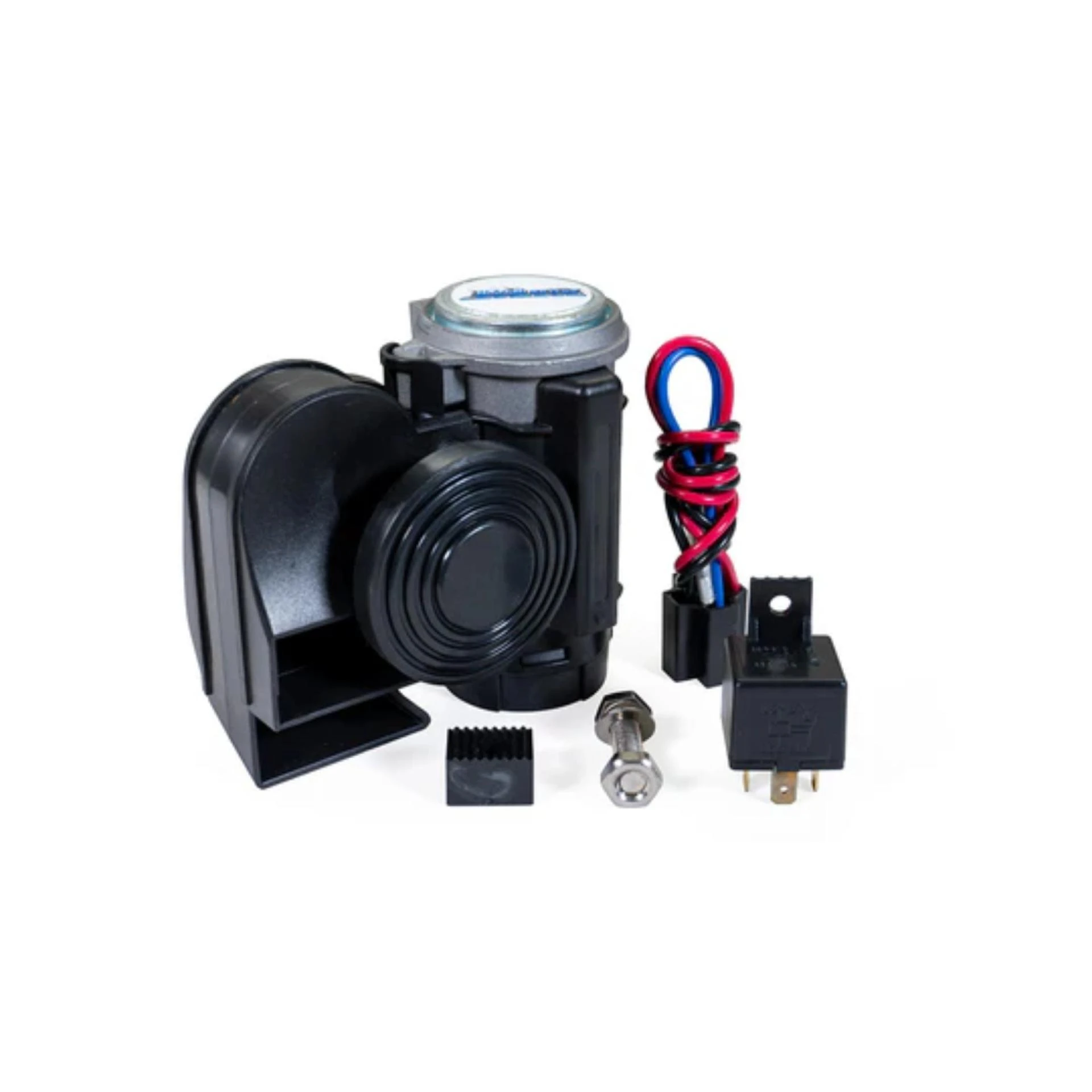
These are the basic models that mimic what’s found in most road vehicles. They’re compact, easy to install, and produce a clear tone. While they work well for casual trail riding, they might not cut through the heavy noise of more aggressive environments.
2. Air Horns (Electrically Activated)
These pack a punch. Air horns use an electric compressor to push air through trumpets, producing a deep, booming sound. They’re louder than standard electric horns and ideal for riders who want to make sure they’re heard no matter the conditions.
3. Train Horns
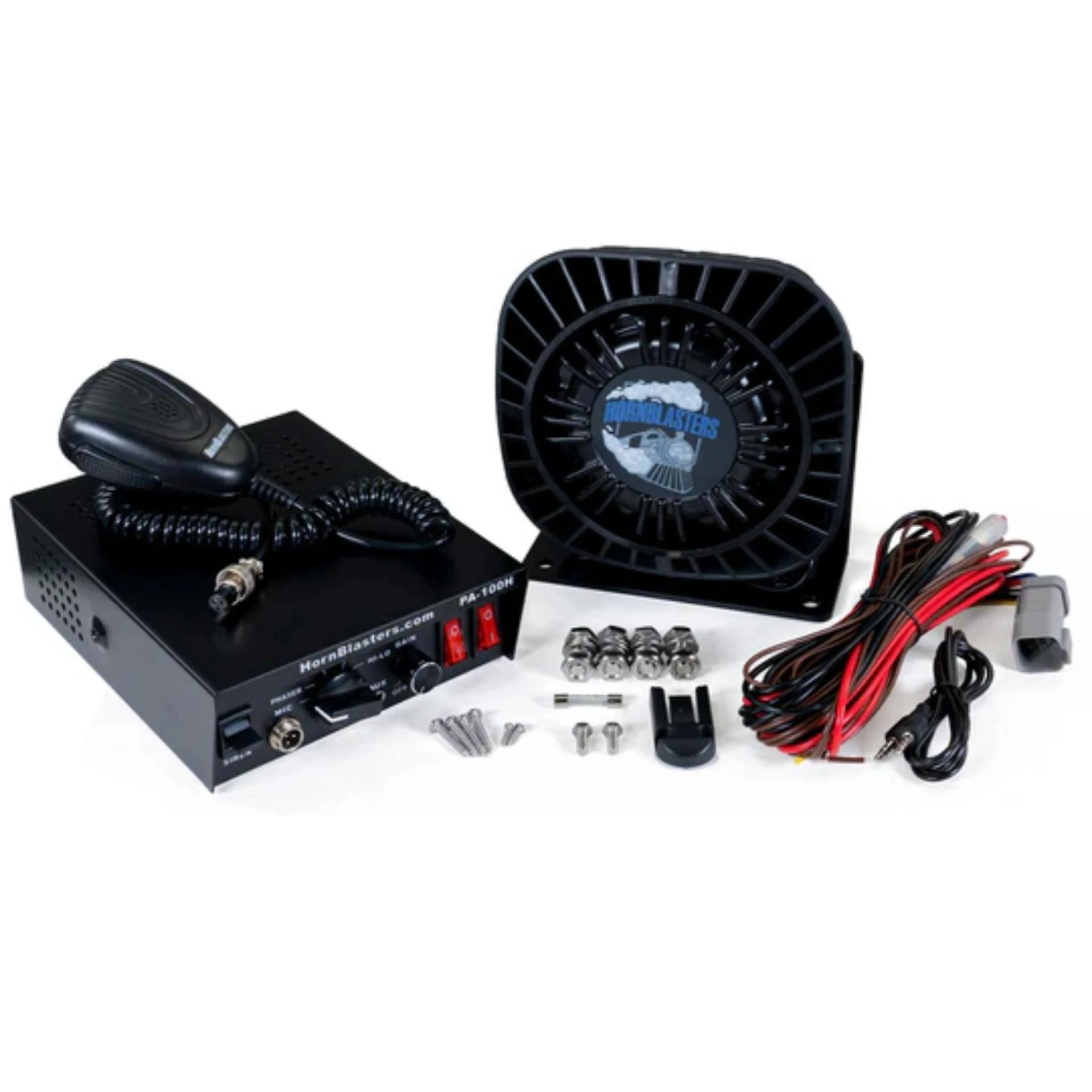
Yes, we’re serious. Some off-roaders go big with electric train horns. They’re incredibly loud—sometimes exceeding 150 decibels—and are mostly used in wide-open areas where extreme sound levels won’t disturb nearby communities.
4. Multi-Tone and Musical Horns
While these are more for fun than function, multi-tone electric horns can add a personal touch to your off-road rig. They play multiple notes or even songs but still serve a practical signaling purpose when needed.
Key Features to Consider
Before you purchase electric horns, consider these important features to ensure you get the best performance for your needs:
✅ Decibel Level
Louder isn’t always better—unless you’re deep in the wilderness. Look for horns that offer at least 110–130 dB for effective off-road use.
✅ Durability and Weather Resistance
Off-road environments expose your equipment to dust, mud, water, and vibrations. Your horn should be sealed against moisture and built with corrosion-resistant materials like stainless steel or ABS plastic.
✅ Voltage Compatibility
Most electric horns are designed for 12V systems, which match the electrical setup of most off-road vehicles like ATVs, UTVs, Jeeps, and dirt bikes. Double-check your rig’s specs before installing.
✅ Mounting and Installation
Compact horns are easier to mount in tight spaces, but make sure your choice includes all necessary brackets, wiring, and instructions. Some models are plug-and-play, while others may need custom wiring.
Top Brands and Models Worth Checking Out
There are countless options out there, but a few brands consistently stand out in the off-roading community for their performance and reliability.
🔹 HELLA Supertone Horn Kit
Known for its loud, attention-grabbing dual-tone, the HELLA Supertone is a favorite among Jeep and SUV owners. It’s also weatherproof and comes with a durable mounting bracket.
🔹 Wolo Bad Boy Air Horn
This compact but powerful air horn combines an electric compressor and horn into one unit. It produces a booming 118 dB sound and installs easily on most off-road vehicles.
🔹 Kleinn Air Horn Systems
These are for serious enthusiasts. Kleinn offers full air horn kits with compressors and tanks. They’re built for extreme noise output and rugged durability.
How to Install Electric Horns on Your Off-Road Vehicle
Installation can be straightforward if you follow a few key steps. Here’s a general guide for those comfortable with basic vehicle wiring:
Tools You’ll Need:
- Socket set or wrench
- Wire stripper/crimper
- Electrical tape or heat shrink tubing
- Relay and fuse (often included with horn kits)
Step-by-Step:
- Choose a Mounting Location: Look for a spot near the front grill or bumper that’s free from water splash zones.
- Mount the Horn: Use the provided bracket to securely fasten the horn. Make sure it’s facing downward slightly to allow water drainage.
- Wire It Up: Connect the horn to your vehicle’s 12V power system using the included wires or custom wiring. Use a relay for higher-powered horns.
- Test the Sound: Once everything’s connected, honk to make sure it's working. Double-check for loose wires or poor ground connections.
Tip: Always disconnect your battery before starting any wiring project to prevent shocks or shorts.
Maintaining Your Horn for Long-Term Use
Once your electric horns are installed, keeping them in top shape is pretty easy. Just follow these tips:
- Clean Regularly: Remove dirt and mud buildup around the horn to prevent sound muffling.
- Check for Moisture: If your horn gets wet, dry it out as soon as possible to avoid corrosion or failure.
- Inspect Wiring: Periodically look over the wires and terminals for wear, rust, or loose connections.
- Test Functionality: Blast your horn every few weeks, even during off-season storage, to ensure it still works properly.
Are Electric Horns Legal for Off-Road Vehicles?
Generally, yes—but with a few caveats. Most states don’t regulate the use of loud horns on off-road-only vehicles. However, if your vehicle is street legal or used in public spaces, you may be subject to local sound ordinances. Extremely loud horns (like train horns) can be considered a public nuisance or even dangerous in some areas.
Pro Tip: Always check with your local DMV or transportation department for specific laws.
Wrapping It Up
Whether you're a weekend warrior or a hardcore off-roading veteran, electric horns are a must-have accessory. They boost safety, improve communication, and even add a bit of fun to your trail experience. With so many types and options available, there’s an electric horn out there that’s perfect for your rig and riding style.