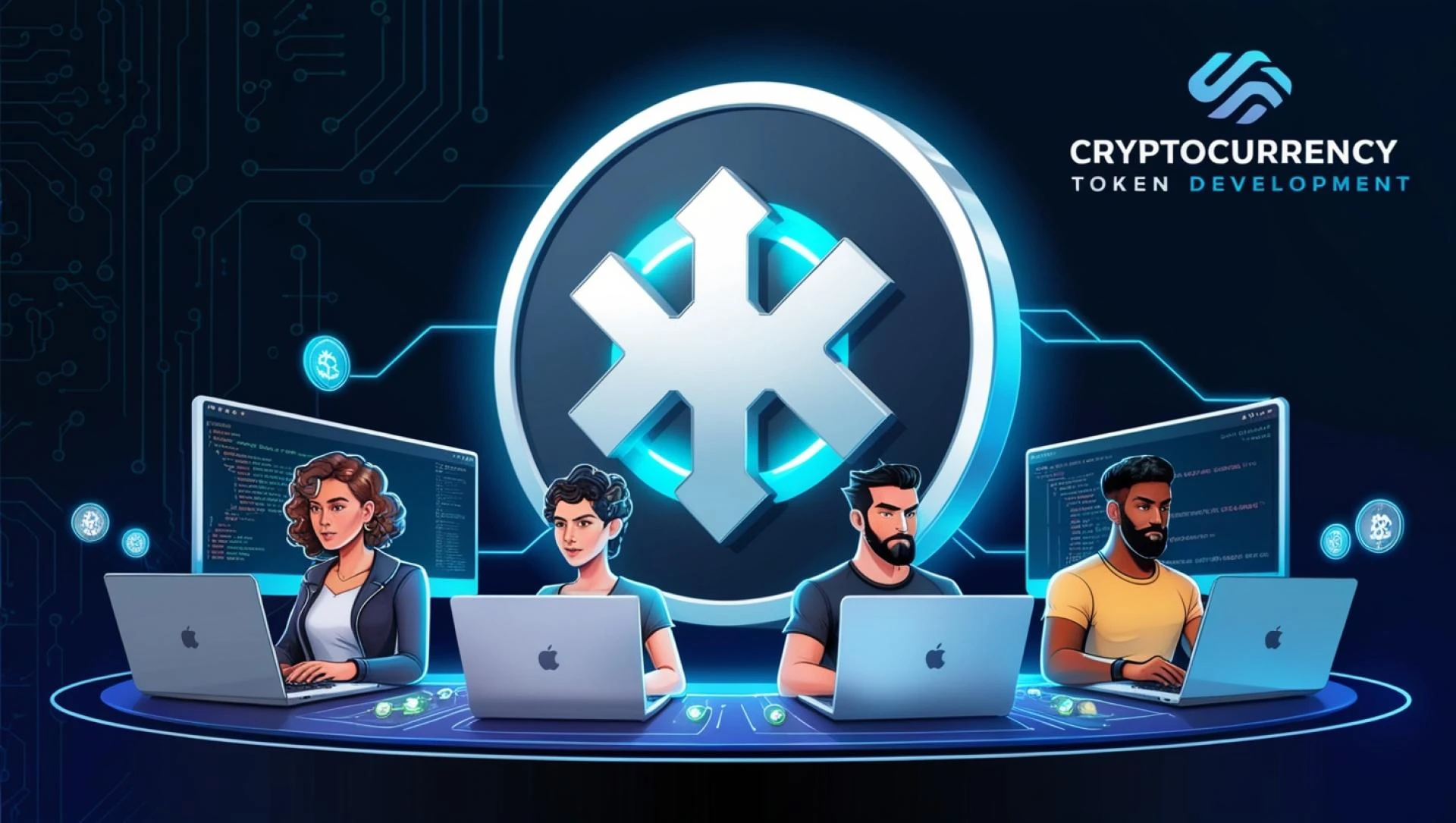
In the fast-paced world of digital assets, cryptocurrency token development has become a vital component for businesses looking to harness the power of blockchain technology. Whether it's for launching a decentralized application (dApp), raising capital through an Initial Coin Offering (ICO), or creating loyalty rewards, custom crypto tokens offer unmatched flexibility and potential.
As we step into 2025, the demand for secure, scalable, and feature-rich tokens is growing rapidly. This guide dives into the core aspects of cryptocurrency token development, helping you understand its significance, the types of tokens available, and how to get started with creating your own.
What Is Cryptocurrency Token Development?
At its core, cryptocurrency token development is the process of designing and launching a digital token on an existing blockchain network. Unlike coins such as Bitcoin or Litecoin, which operate on their own independent blockchains, tokens are built on top of existing blockchains like Ethereum, Binance Smart Chain (BSC), or Solana.
Tokens can represent a wide variety of assets—from currency and voting rights to real-world goods like real estate or artwork. They are created using smart contracts, which are self-executing agreements coded directly into the blockchain.
Types of Cryptocurrency Tokens
There are several types of tokens that can be created, each serving a different purpose:
- Utility Tokens: These provide access to a product or service within a specific ecosystem. They are common in dApps and decentralized finance (DeFi) platforms.
- Security Tokens: Represent traditional financial assets such as stocks or bonds. They are regulated and must comply with security laws.
- Governance Tokens: Allow holders to vote on key decisions in decentralized projects.
- Stablecoins: Pegged to the value of real-world currencies like USD to offer price stability.
- Non-Fungible Tokens (NFTs): Represent ownership of unique digital items like art, music, or virtual land.
Choosing the right type of token is the first step in a successful cryptocurrency token development journey.
Why Businesses Are Investing in Token Development
From startups to global enterprises, organizations are leveraging tokens for a variety of reasons:
- Fundraising: ICOs, STOs, and Initial DEX Offerings (IDOs) allow businesses to raise capital efficiently.
- Decentralized Finance: Tokens power lending, staking, and yield farming on DeFi platforms.
- Brand Engagement: Loyalty tokens and NFTs help brands create deeper connections with their customers.
- Operational Efficiency: Tokenized systems can streamline payments, royalties, and ownership transfers.
The versatility and accessibility of blockchain have made cryptocurrency token development a go-to strategy for digital transformation.
Key Steps in Cryptocurrency Token Development
Developing a token involves several stages, each requiring technical and strategic precision:
- Define Purpose and Tokenomics
- Clarify the objective of the token and design a strong tokenomics model including supply, distribution, and incentives.
- Choose the Blockchain Platform
- Ethereum is popular for its mature ecosystem, while BSC offers lower transaction fees. Solana and Polygon are also viable alternatives.
- Smart Contract Development
- Write and audit the smart contract to ensure security and functionality. This is the backbone of the token.
- Testing on Testnet
- Deploy the contract in a test environment to detect bugs and validate performance.
- Token Deployment
- Launch the token on the mainnet after rigorous testing and audits.
- Wallet Integration and Listing
- Make sure the token is compatible with major wallets like MetaMask and explore listing on crypto exchanges.
Working with an experienced development team can streamline the process and avoid common pitfalls in cryptocurrency token development.
Popular Platforms for Token Development
Each blockchain platform has its own strengths:
- Ethereum: The most widely used platform for ERC-20 tokens and DeFi projects.
- Binance Smart Chain: Offers fast transactions and low fees.
- Solana: Known for high-speed processing and low cost, ideal for dApps and gaming tokens.
- Polygon: A Layer 2 solution that enhances Ethereum scalability.
Selecting the right blockchain depends on your project's goals, technical requirements, and target audience.
Security and Compliance
Security is non-negotiable in cryptocurrency token development. Smart contracts should undergo thorough audits to detect vulnerabilities. In addition, depending on the nature of the token, compliance with local and international regulations may be necessary.
Security practices include:
- Code audits by third-party experts
- Implementation of anti-fraud mechanisms
- Integration with secure wallets
- Adherence to KYC/AML standards for security tokens
A secure and legally compliant token builds trust and long-term success.
Final Thoughts
As the digital economy continues to evolve, cryptocurrency token development offers a powerful way to create value, enable innovation, and foster decentralized ecosystems. Whether you're a startup looking to launch a new idea or an enterprise planning to digitize assets, tokenization is the bridge to the future.
By understanding the process, choosing the right blockchain, and prioritizing security, you can successfully navigate the complex yet rewarding world of token development.
If you're ready to embark on your token journey, collaborating with experienced blockchain developers is the first step toward success.