Most people don’t think twice about where they place their soap, but the truth is your choice of soap dishes for bar soap can make a big difference in hygiene, cost, and daily convenience. A poorly designed dish can turn a solid bar into a soggy mess within days, wasting money and creating a messy sink or shower area.
In the United States, bar soap usage has increased again due to sustainability concerns. According to a 2024 report by Statista, over 60% of households now use bar soap at least occasionally to reduce plastic waste. But without the right setup, that eco-friendly choice can quickly become frustrating.
From my own experience, I used to leave soap directly on the sink edge, thinking it didn’t matter. Within a week, the bar softened, cracked, and became unusable. That’s when I realized the importance of choosing the right soap dishes for bar soap and how it directly affects everyday use.
The Problem: Why Most Soap Setups Fail
The biggest issue with bar soap isn’t the soap itself, it’s the environment around it. When soap sits in water, it dissolves faster than intended. Many standard holders don’t provide proper drainage, causing water to collect underneath the bar.
This constant moisture creates the perfect condition for bacteria buildup. A study by the American Society for Microbiology found that damp surfaces in bathrooms can harbor bacteria within 24 hours if not properly dried. This is especially true when soap residue builds up over time.
Another problem is poor material choice. Plastic dishes may seem convenient, but they often trap water. Ceramic options look better but can lack drainage if not designed correctly. Without the right structure, even high-quality soap won’t last long.
Agitate: The Hidden Cost of a Bad Soap Dish
At first glance, replacing a bar of soap more often may not seem like a big deal. But over time, it adds up. If a bar that should last three weeks only lasts one, you’re effectively tripling your annual spending on soap.
Now think about this on a larger scale. Hotels, gyms, and small businesses across the U.S. use thousands of bars every year. A hotel chain in Florida reported that switching to better drainage solutions reduced soap waste by nearly 20%. That’s a direct cost saving tied to something as simple as upgrading soap dishes for bar soap.
There’s also the hygiene factor. A soggy soap bar doesn’t feel clean, and it discourages proper handwashing. In both homes and businesses, this can impact overall cleanliness standards. These small issues build up into bigger problems over time.
The Solution: Key Features to Look For
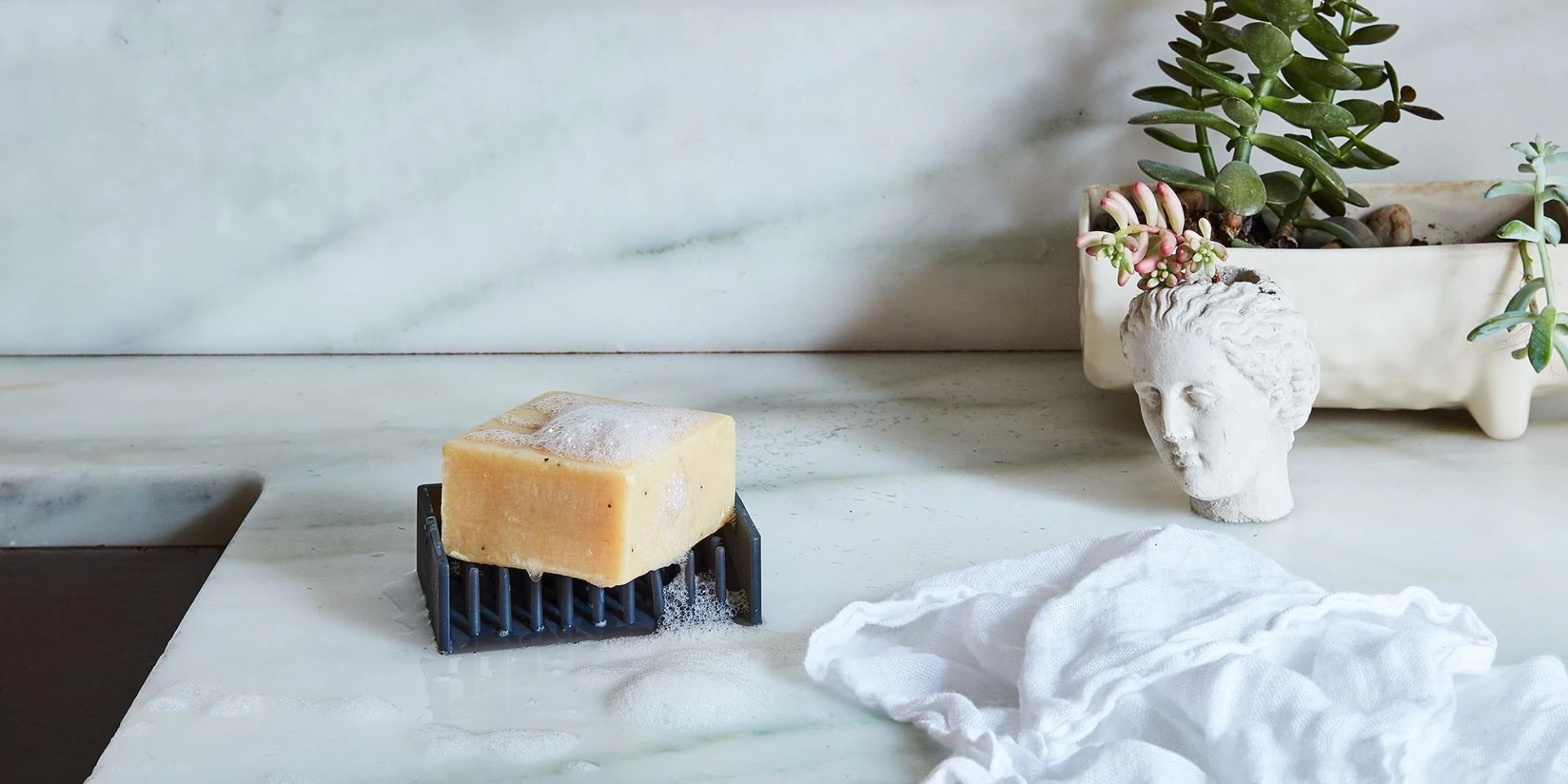
Choosing the right soap dishes for bar soap starts with understanding what actually works. The most important feature is drainage. A dish with slats, holes, or a raised surface allows water to flow away from the soap, keeping it dry between uses.
Air circulation is another key factor. When soap can dry fully, it lasts longer and stays firm. Materials also matter. Bamboo, stainless steel, and well-designed ceramic dishes tend to perform better because they don’t trap moisture the same way cheaper plastics do.
In my own setup, switching to a slotted bamboo dish made a noticeable difference within days. The soap stayed firm, lasted longer, and the sink area looked cleaner. It’s a small change, but one that improves daily use immediately.
Comparing Materials: What Works Best in Real Life
Different materials offer different benefits, and your choice should match your environment. Bamboo is popular because it’s eco-friendly and naturally resistant to water, but it still needs proper drying. Stainless steel is durable and easy to clean, making it a strong option for busy households.
Ceramic dishes are common in many U.S. homes, especially in modern bathrooms. However, they only work well if they include drainage features. Without that, they become part of the problem rather than the solution.
I’ve noticed that people who already use eco-friendly kitchen tools, like a brush for vegetables often prefer bamboo or wood-based options for consistency. It creates a more cohesive setup and aligns with a low-waste lifestyle.
Storage and Placement: Where You Put It Matters
Even the best soap dishes for bar soap won’t perform well if placed incorrectly. Location plays a big role in how long your soap lasts. If your dish sits directly under a running shower stream, it will stay wet no matter how well it’s designed.
Placing the dish in a spot with good airflow helps the soap dry faster. In kitchens, keeping it away from constant splashes near the sink can also make a difference. Small adjustments in placement often solve issues that people blame on the product itself.
This idea applies across household tools. For example, storing a brush for vegetables in a dry area helps it last longer and prevents odor buildup. The same principle works here, proper placement supports better performance.
Real-World Case Studies from U.S. Businesses
Several U.S.-based businesses have already seen the impact of better soap storage solutions. A small skincare brand in California tested different dish designs as part of their product bundles. They found that customers who used draining dishes reported 40% longer soap usage.
In another case, a gym chain in Texas upgraded their locker room setups with improved holders. The result was not only reduced soap waste but also fewer complaints about cleanliness. These changes may seem minor, but they have measurable results.
These examples show that investing in better soap dishes for bar soap isn’t just about convenience. It’s a practical decision that improves efficiency, hygiene, and customer satisfaction across different environments.
Personal Experience: What Actually Works Day-to-Day
From my daily routine, the biggest lesson I’ve learned is that simple solutions often work best. A well-ventilated dish with proper drainage solves most problems without needing constant maintenance.
I’ve tried different setups over the years, and the difference always comes down to water control. When soap stays dry, everything else falls into place. The sink looks cleaner, the soap lasts longer, and there’s less waste overall.
I’ve also noticed that households focused on sustainability often apply the same thinking across the board. Using tools like a brush for vegetables alongside better soap storage creates a system that works efficiently and reduces unnecessary waste.
Conclusion
Choosing the right soap dishes for bar soap isn’t complicated, but it does require a bit of attention. The right design can extend the life of your soap, improve hygiene, and make your daily routine smoother.
By focusing on drainage, material, and placement, you can avoid common problems and get the most out of every bar. This small upgrade leads to long-term savings and a cleaner space.
In the end, it’s about making smarter choices with everyday items. When you choose the right soap dishes for bar soap, you’re not just improving convenience, you’re building a more efficient and sustainable routine that actually lasts.