Pregnancy is a transformative journey that demands extra care, especially when it comes to nutrition. A growing baby relies entirely on the mother for essential nutrients, and protein plays a crucial role in supporting healthy development. From building tissues and organs to supporting hormonal balance and immune function, adequate protein intake is vital throughout all three trimesters. However, meeting increased protein requirements through food alone can sometimes be challenging due to nausea, food aversions, busy schedules, or dietary restrictions. This is where high-quality protein supplements can become a convenient and supportive addition to a balanced prenatal diet.
Choosing the right protein powder during pregnancy requires thoughtful consideration. Not all supplements are created equal, and pregnant women must prioritize safety, purity, and nutritional value. In this comprehensive guide, we will explore why protein is essential during pregnancy, what to look for in a supplement, how to use it safely, and how to select the right quantity to meet your long-term nutritional needs.
Why Protein Is Essential During Pregnancy
Protein is often described as the building block of life, and this becomes especially true during pregnancy. As your baby grows, protein supports the development of muscles, tissues, enzymes, and hormones. It also plays a key role in the formation of the placenta and increased maternal blood supply.
During pregnancy, daily protein needs increase significantly. While the average adult woman may require around 0.8 grams of protein per kilogram of body weight, pregnant women often need closer to 1.1 grams per kilogram. This increase ensures optimal fetal growth and supports the mother’s changing body.
Insufficient protein intake can lead to fatigue, muscle weakness, and slowed fetal development. Therefore, maintaining a steady and adequate protein intake is one of the most important dietary priorities throughout pregnancy.
How to Choose the Right Protein Powder for Pregnancy
When selecting a supplement, quality and safety must come first. Many conventional protein powders contain artificial sweeteners, synthetic additives, or heavy metals that may not be ideal during pregnancy. Carefully reading labels and selecting reputable brands can make a significant difference.
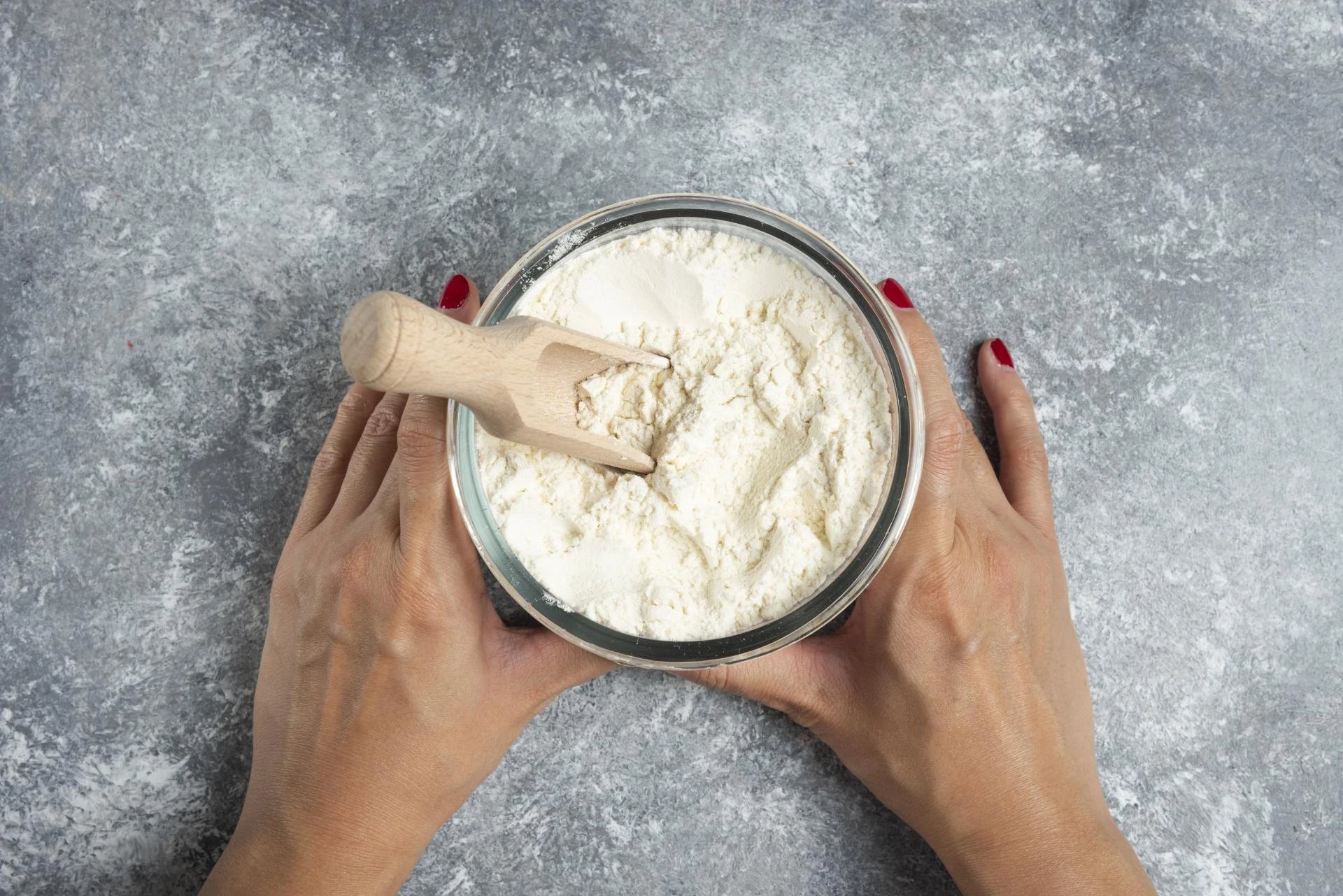
If you are considering adding a supplement to your routine, exploring a clean and thoughtfully formulated protein powder for pregnancy can help ensure you’re choosing a product designed with maternal nutrition in mind. These specialized options typically focus on purity, balanced amino acid profiles, and ingredients that support both mother and baby without unnecessary fillers.
Look for products that are free from artificial flavors, preservatives, and excessive sugars. Ideally, the protein source should be easy to digest, such as plant-based blends or high-quality whey, depending on your dietary preferences and tolerance. Consulting with your healthcare provider before introducing any supplement is always recommended to ensure it aligns with your individual nutritional needs.
Key Ingredients to Look For in Pregnancy-Safe Protein Powders
Understanding ingredient lists can feel overwhelming, but focusing on a few critical elements simplifies the process. First, check the protein source. Whey isolate is often well-absorbed and rich in essential amino acids. Plant-based blends combining pea, brown rice, or other legumes can also provide complete protein profiles when properly formulated.
Second, ensure the product contains minimal added sugars. Natural sweeteners in moderate amounts are generally acceptable, but high sugar levels can contribute to unnecessary weight gain and blood sugar fluctuations.
Third, look for added nutrients that complement pregnancy needs, such as iron, calcium, or vitamin B12. While protein powder should not replace prenatal vitamins, additional supportive nutrients can enhance overall dietary intake.
Lastly, choose products that undergo third-party testing for purity and quality assurance. Transparency in sourcing and manufacturing standards is an important indicator of a trustworthy brand.
How Much Protein Do You Really Need?
Protein needs vary based on body weight, activity level, and stage of pregnancy. For most women, aiming for 70–100 grams of protein daily is a reasonable target, but individual requirements may differ.
Whole food sources such as lentils, beans, tofu, dairy, eggs, nuts, and lean meats should form the foundation of your protein intake. A protein supplement should serve as a convenient addition rather than a replacement for balanced meals.
Using protein powder in smoothies, oatmeal, or healthy snacks can help fill nutritional gaps. Spreading protein intake evenly throughout the day also supports better digestion and nutrient absorption.
Choosing the Right Quantity: Is a 1kg Protein Powder Practical?
When purchasing supplements, size matters not only for convenience but also for cost-effectiveness and consistency. If you plan to use protein powder regularly throughout your pregnancy, investing in a larger pack like a 1kg protein powder can be a practical choice. Larger packaging often provides better value per serving and reduces the need for frequent repurchases.
However, before committing to a larger quantity, ensure the flavor, texture, and digestibility suit you. Pregnancy can heighten sensitivity to taste and smell, so trying a smaller pack first may be beneficial. Once you’re confident in the product, a 1kg option offers convenience and long-term support for consistent protein intake.
Storage is another important consideration. Keep protein powder in a cool, dry place and always seal it tightly to maintain freshness and prevent contamination.
Safe Ways to Incorporate Protein Powder Into Your Diet
Incorporating protein powder into your pregnancy diet can be simple and enjoyable. Smoothies are one of the easiest options—blend protein powder with fruits, leafy greens, nut butter, and milk or plant-based alternatives for a nutrient-dense snack.
You can also stir protein powder into yogurt, oatmeal, or pancake batter for an extra boost. Some women prefer adding it to soups or energy balls for variety. The key is moderation and balance. Avoid excessive supplementation, and remember that whole foods should remain the primary source of nutrients.
Listening to your body is essential. If you experience digestive discomfort, bloating, or unusual symptoms, discontinue use and consult your healthcare provider.
Common Myths About Protein Supplements During Pregnancy
There are several misconceptions about protein powder use during pregnancy. One common myth is that protein supplements automatically lead to excessive weight gain. In reality, weight gain depends on overall calorie intake and lifestyle habits. When used responsibly, protein powder supports balanced nutrition rather than unnecessary calorie overload.
Another myth is that all protein powders are unsafe for pregnant women. While some products may contain unsuitable ingredients, high-quality, clean formulations designed with maternal health in mind can be safe when approved by a healthcare professional.
Understanding the difference between general fitness supplements and pregnancy-focused formulations is key to making informed decisions.
Conclusion
Maintaining optimal protein intake during pregnancy is essential for both maternal well-being and healthy fetal development. While whole foods should always be the foundation of a nutritious diet, high-quality protein supplements can serve as a convenient and supportive addition when needed. By choosing clean, well-formulated products and consulting your healthcare provider, you can confidently meet your increased protein needs throughout pregnancy. Thoughtful selection, proper portion control, and balanced dietary habits will ensure that both you and your baby receive the nourishment necessary for a healthy and thriving journey.
Frequently Asked Questions
1. Is protein powder safe during pregnancy?
Yes, protein powder can be safe during pregnancy when it is free from harmful additives and approved by your healthcare provider. Always choose high-quality, clean products designed with safety in mind.
2. How often can I take protein powder while pregnant?
Most pregnant women can use protein powder once daily to supplement their diet, but individual needs vary. It is best to consult your doctor or nutritionist for personalized guidance.
3. Can protein powder replace meals during pregnancy?
Protein powder should not replace balanced meals. It should be used as a supplement to support overall nutrition, alongside whole foods rich in vitamins, minerals, and fiber.