India has been the world's spice garden for centuries, enchanting traders and food lovers with its aromatic treasures. From the ancient spice routes to modern global supply chains, Indian herbs and spices continue to dominate international markets. Whether you're a restaurant owner, food manufacturer, or retailer looking to source authentic Indian flavors, understanding how to select the right organic Indian herbs exporters and wholesale Indian spices supplier can make all the difference to your business.
Why India Remains the Global Spice Capital
India isn't just another player in the spices market—it's the undisputed leader. The country produces over 75 different varieties of spices, accounting for approximately 70% of global spice production. The diverse climate zones, rich soil, and centuries of agricultural expertise create the perfect conditions for cultivating premium quality herbs and spices.
When you partner with organic Indian herbs exporters, you're tapping into this rich heritage. These exporters understand the nuances of cultivation, harvesting at peak flavor, and preserving the natural properties that make Indian spices so sought after worldwide.
The Rising Demand for Organic Indian Herbs
The global shift toward organic and natural products has created unprecedented opportunities in the spice trade. Consumers today are more health-conscious than ever, demanding products free from pesticides, synthetic fertilizers, and harmful chemicals. This is where organic Indian herbs exporters shine.
Organic certification ensures that the herbs are grown using traditional, sustainable farming methods that respect both the environment and human health. When sourcing from certified organic exporters, you're not just getting superior products—you're also supporting ethical farming practices that benefit local communities.
From organic turmeric with its powerful anti-inflammatory properties to pure holy basil (tulsi) known for its medicinal benefits, organic Indian herbs offer authenticity that health-conscious consumers crave. These herbs retain their natural essential oils, resulting in more potent flavors and therapeutic properties compared to conventionally grown alternatives.
What to Look for in a Wholesale Indian Spices Supplier
Choosing the right wholesale Indian spices supplier requires careful consideration. Not all suppliers are created equal, and the quality of your final product depends heavily on your sourcing decisions. Here are the key factors to evaluate:
Quality Assurance and Certifications
A reputable wholesale Indian spices supplier should hold relevant certifications such as ISO, FSSAI, USDA Organic, EU Organic, or other international quality standards. These certifications demonstrate their commitment to maintaining hygiene, quality control, and traceability throughout the supply chain.
Ask potential suppliers about their quality testing procedures. Do they conduct regular laboratory tests for purity, moisture content, and contamination? Can they provide batch-specific test reports? These details matter when you're building a brand based on quality.
Traceability and Transparency
Modern consumers want to know where their food comes from. The best organic Indian herbs exporters offer complete traceability, allowing you to track your spices from farm to warehouse. This transparency builds trust with your customers and protects your business from potential supply chain issues.
Product Range and Consistency
A good wholesale Indian spices supplier should offer a comprehensive range of products—from common spices like cumin, coriander, and black pepper to specialty items like saffron, cardamom, and rare medicinal herbs. Consistency in quality across batches is equally important. Your customers expect the same great taste every time, and your supplier should be able to deliver that reliability.
Popular Indian Herbs and Spices in Global Demand
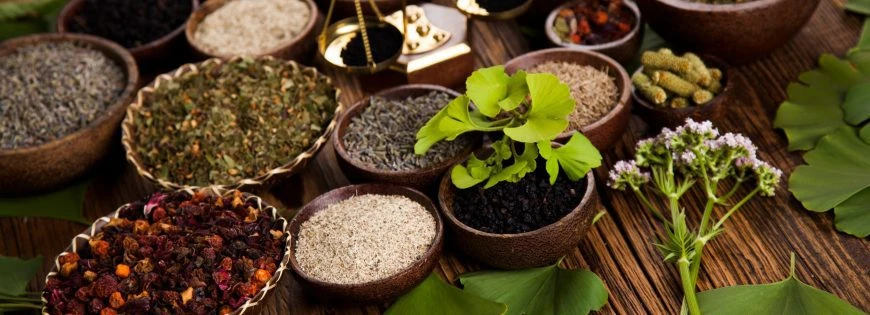
Understanding which products are trending can help you make smarter sourcing decisions. Here are some of the most popular items that organic Indian herbs exporters and wholesale Indian spices suppliers are shipping worldwide:
Turmeric: This golden spice has exploded in popularity due to its proven health benefits. From turmeric lattes to supplements, demand continues to surge.
Cumin: Essential in cuisines worldwide, cumin seeds and powder remain steady bestsellers for any wholesale Indian spices supplier.
Cardamom: Known as the "Queen of Spices," this premium product commands high prices and loyal customers.
Holy Basil (Tulsi): This sacred herb has found its way into herbal teas, supplements, and wellness products globally.
Ashwagandha: An adaptogenic herb that's become a superstar in the wellness industry, sought after by health brands worldwide.
Fenugreek: Used in both culinary applications and herbal supplements, this versatile seed is experiencing renewed interest.
Building Strong Partnerships with Indian Exporters
Success in the spice business isn't just about one-time purchases—it's about building lasting relationships with reliable partners. When working with organic Indian herbs exporters, consider these relationship-building strategies:
Start with smaller trial orders to evaluate quality, packaging, and delivery timelines. This low-risk approach allows you to test the waters before committing to larger volumes. Communication is key—ensure your supplier understands your specific requirements, whether it's particular grind sizes, moisture levels, or packaging preferences.
Many wholesale Indian spices supplier companies offer customization options, including private labeling, custom blending, and packaging design. These value-added services can help differentiate your products in a competitive marketplace.
Understanding Pricing and Market Dynamics
The spice market can be volatile, with prices fluctuating based on harvest yields, weather conditions, and global demand. Experienced organic Indian herbs exporters can provide market insights and help you navigate these fluctuations.
While organic products typically command premium prices, the margins justify the investment. Consumers are willing to pay more for certified organic spices, and the growing market ensures strong demand. When evaluating quotes from a wholesale Indian spices supplier, look beyond the price per kilogram—consider factors like shipping costs, minimum order quantities, payment terms, and value-added services.
Ensuring Food Safety and Compliance
International spice trade requires strict adherence to food safety regulations. Different markets have different requirements—the FDA regulations for the United States differ from European Union standards or those in Asian markets.
Professional  stay updated on these changing regulations and ensure their products meet destination-country requirements. They maintain detailed documentation, including certificates of analysis, phytosanitary certificates, and organic certifications that facilitate smooth customs clearance.
Sustainability and Ethical Sourcing
Today's consumers care about more than just product quality—they want to know that their purchases support sustainable and ethical practices. Leading wholesale Indian spices supplier companies are embracing this shift by implementing fair trade practices, supporting smallholder farmers, and investing in sustainable agriculture.
When you partner with suppliers committed to sustainability, you're not just doing good—you're also creating powerful marketing stories that resonate with conscious consumers. Many organic Indian herbs exporters work directly with farming cooperatives, ensuring fair prices for farmers while maintaining quality standards.
The Logistics of International Spice Trade
Importing spices requires understanding international shipping, customs procedures, and documentation. Experienced organic Indian herbs exporters handle much of this complexity, but it's important to understand the basics.
Shipping methods vary based on order size and urgency. Air freight is faster but more expensive, suitable for premium, low-volume products. Sea freight is economical for larger orders but requires longer lead times. Your wholesale Indian spices supplier should offer guidance on the most cost-effective shipping solutions for your needs.
Future Trends in the Spice Industry
The spice industry is evolving rapidly, driven by changing consumer preferences and technological innovations. Clean label products, superfood blends, and convenient formats like spice drops or freeze-dried options are gaining traction.
Forward-thinking organic Indian herbs exporters are investing in these innovations, offering products that meet emerging market demands. Similarly, progressive wholesale Indian spices supplier companies are adopting blockchain technology for enhanced traceability and utilizing advanced processing techniques that preserve nutritional content.
Making Your Decision
Choosing the right organic Indian herbs exporters and wholesale Indian spices supplier is a crucial business decision that impacts your product quality, brand reputation, and bottom line. Take time to research potential partners, request samples, verify certifications, and check references.
The ideal supplier combination delivers consistent quality, competitive pricing, reliable logistics, transparent communication, and alignment with your business values. Whether you're launching a new spice brand, expanding your product line, or looking to improve your existing supply chain, India's rich spice heritage offers endless possibilities.
By partnering with reputable organic Indian herbs exporters and a reliable wholesale Indian spices supplier, you're not just sourcing ingredients—you're bringing centuries of tradition, flavor, and wellness to your customers. In a world increasingly focused on authenticity, quality, and sustainability, these partnerships can become your greatest competitive advantage.