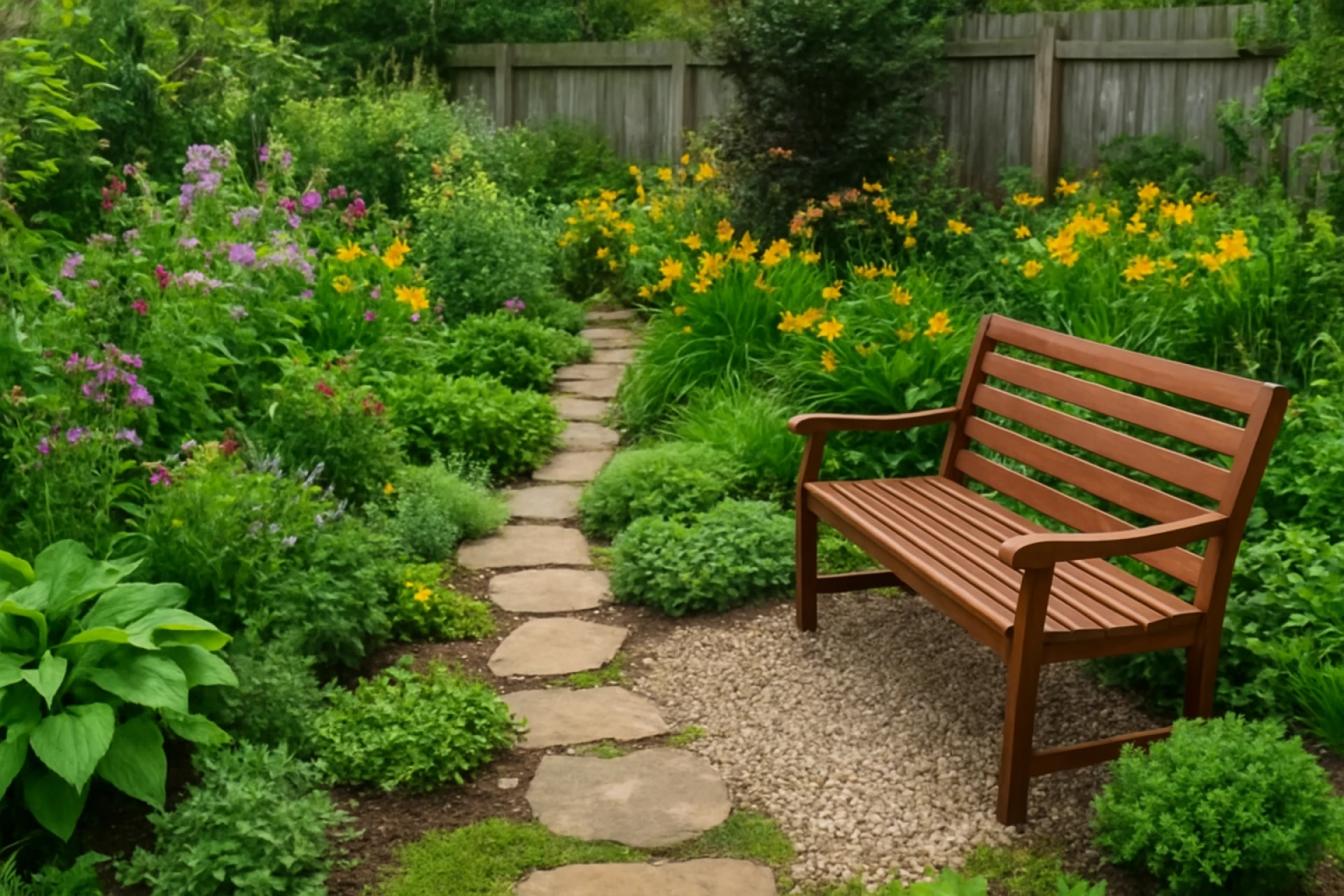
An outdoor garden is more than just a patch of green—it's a curated natural sanctuary that brings aesthetic beauty, ecological balance, and personal joy. Whether you're a residential homeowner, apartment complex manager, or business owner looking to beautify public spaces, cultivating an outdoor garden adds value and charm to your surroundings.
In this article, we will explore everything you need to know about starting and maintaining a successful outdoor garden, complete with expert tips, optimal planting timelines, and plant selection guides.
What is an Outdoor Garden?
An outdoor garden refers to a thoughtfully arranged space—often located in a backyard, terrace, or communal area—"Grow your own supply of fresh herbs, fruits, and veggies right at home with an indoor garden."
or flowering species. Outdoor gardens serve both practical and recreational purposes:
- Boost Property Value by improving visual appeal
- Provide Fresh Produce such as herbs, fruits, and vegetables
- Enhance Wellbeing through relaxation and nature exposure
- Support Biodiversity by attracting bees, butterflies, and birds
Whether you’re creating a small container garden on a balcony or a sprawling landscaped yard, outdoor gardening provides a deeper connection to nature and improves quality of life.
Image Suggestion: A beautifully landscaped backyard garden with a water feature.
Image Alt Tag: Outdoor Garden with Decorative Water Fountain and Flower Beds
When to Start an Outdoor Garden?
The timing of starting an outdoor garden depends on the seasons and regional climate.
- Spring gardens should be planted once the final frost has passed and the soil has begun to warm up, creating ideal growing conditions. Typically, this is March to May in most temperate regions.
- Fall Gardens: Begin 6 to 8 weeks before the first expected frost, usually late August to early October.
Pro Tip: Check your local USDA Hardiness Zone to determine ideal planting times for specific crops and plants.
How to Start an Outdoor Garden
Creating a flourishing outdoor garden involves a few well-planned steps:
1. Choose the Right Location
- Choose a location that receives a minimum of 6 to 8 hours of direct sunlight daily for optimal plant growth.
- Ensure proper drainage and access to water.
2. Prepare the Soil
- Remove weeds and debris.
- Enhance soil richness by mixing in organic compost or aged manure to boost nutrient levels.
- Test pH levels (ideal range: 6.0–7.0 for most vegetables).
3. Select the Right Plants
Choose plants that are suitable for your:
- Climate Zone
- Sunlight Availability
- Soil Type
Popular Outdoor Plants:
- Vegetables: Tomatoes, Spinach, Lettuce, Carrots
- Flowers: Marigold, Petunia, Lavender, Zinnia
- Herbs: Basil, Rosemary, Mint
4. Install Garden Beds or Containers
Use raised garden beds for better drainage and soil control, or planter boxes if space is limited.
5. Water & Mulch Properly
- Water early in the morning.
- Apply a layer of mulch around your plants to help conserve soil moisture and suppress unwanted weed growth.
Image Suggestion: Raised garden beds with flowering plants. Image Alt Tag: Raised Outdoor Garden Bed with Colorful Annuals
Benefits of Outdoor Gardening
- Enhances Mental Health: Studies show gardening reduces stress by 30%.
- Enhances air purity: by absorbing carbon dioxide and emitting fresh, breathable oxygen.
- Encourages eco-friendly: living by growing your own produce and cutting down on carbon emissions.
- Encourages Community Interaction: Especially for shared residential or HOA spaces.
Image Suggestion: A family gardening together in a community space. Image Alt Tag: Community Outdoor Garden with Family Planting Flowers
Tips for Maintaining an Outdoor Garden
- Regularly prune and deadhead to promote new growth.
- Watch for pests like aphids or caterpillars; use natural insecticides.
- Use a drip irrigation system for efficient watering.
- Apply slow-release fertilizers every 6–8 weeks.
Why Choose Touch Green for Outdoor Garden Solutions?
At Touch Green, we specialize in creating and maintaining outdoor garden solutions tailored to your needs. Whether you’re managing a residential complex, a business park, or a public property, our expert team ensures:
- Aesthetically pleasing design
- Seasonal plant rotation
- Soil and irrigation management
- Professional maintenance services
FAQs About Outdoor Gardens
1.Choosing the right plants for your outdoor garden depends on your climate, soil type, and the amount of sunlight your space receives.
Popular outdoor plants include marigolds, lavender, basil, and cherry tomatoes due to their resilience and appeal.
2. How can I naturally safeguard my garden from unwanted pests?
Apply neem-based sprays or introduce beneficial insects such as ladybugs to naturally control pests. Regular inspections are key.
3. What is the best watering routine to keep an outdoor garden thriving?
Outdoor plants generally require about one to two inches of water each week, though this can vary with changing weather conditions. During hotter, drier periods, they may need more frequent watering to stay healthy, while cooler, rainy weeks might reduce the need for additional moisture.
4. Can I garden in a small outdoor space?
Absolutely! Try container gardening or vertical gardening techniques.
5. How do I know my soil is healthy?
Soil rich in nutrients usually appears dark, has a crumbly texture, and offers excellent drainage. Use soil test kits to check nutrients and pH levels.
6. Should I rotate plants each season?
Absolutely! Rotating crops can maintain soil nutrients and minimize recurring pest problems.
Final Thoughts
Creating an outdoor garden is a rewarding investment for both aesthetic and practical reasons. With the right planning, plant choices, and maintenance strategies, your garden can thrive across seasons.
If you’re looking for professional guidance or regular maintenance, visit our Outdoor Garden Services and let Touch Green bring nature closer to your doorstep.