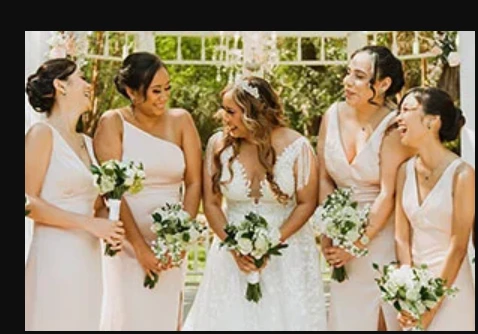
Planning the floral aspects of a wedding can feel overwhelming. With so many varieties, colors, and styles to choose from, where do you even begin? Having a structured plan is the best way to ensure that nothing is forgotten and that your vision comes to life exactly as you imagined it.
Essential Steps for Selecting Wedding Flowers
The first step in your journey is to establish a clear budget. Once you know what you can spend, you can prioritize which areas of the wedding need the most impact. Usually, the bridal bouquet and the ceremony backdrop are the primary focus of most wedding flowers budgets.
Next, you should gather inspiration. Create a mood board that includes not just flowers, but also textures, fabric swatches, and images of your venue. This helps your florist understand the "vibe" you are going for. Whether it’s modern and industrial or classic and garden-style, a visual guide is worth a thousand words.
Finding the Right Florist
Not all florists are created equal. Some specialize in traditional, tight arrangements, while others are known for wild, organic, and asymmetrical designs. Interview multiple vendors and look at their previous work specifically at your venue to see how they handle that particular space.
The Importance of a Site Visit
If possible, walk through your venue with your florist. They can point out areas that need extra attention, like a plain entryway or an unsightly pillar that can be disguised with climbing vines. They will also check for lighting and temperature issues that could affect the health of the plants.
Managing Floral Logistics
Transportation and setup are just as important as the flowers themselves. Make sure your contract includes delivery times, setup services, and "strike" (cleanup) services at the end of the night. This ensures that you aren't left worrying about heavy vases while you’re trying to enjoy your reception.
Subheadings: Checklist for the Ceremony
- Altar arrangements or floral arch
- Pew markers or aisle decor
- Petals for the aisle or flower girl
- Entryway arrangements to welcome guests
Using Babys Breath to Fill the Gaps
In every floral plan, there are gaps that need to be filled. Whether it’s the space between the cake layers or the corners of the gift table, babys breath is the perfect solution. It provides a clean, consistent look that ties all the different areas of the wedding together.
Enhancing Small Details
Tiny sprigs can be used in unexpected places to create a cohesive theme. Think about tucking a small piece into the ribbon of your wedding favors or using them to decorate the seating chart. These small touches show your guests that you’ve thought about every single detail of the day.
Creating a "Flower Wall"
A popular trend for photo booths is the flower wall. While a wall made of roses is incredibly expensive, a wall made primarily of white filler flowers is much more attainable. It provides a beautiful, textured background for guest photos and acts as a major piece of decor for the reception room.
Numbered Points for Flower Care
- Cut stems at a 45-degree angle.
- Use the flower food provided by the florist.
- Remove any leaves that fall below the water line.
- Keep flowers away from ripening fruit (which releases ethylene gas).
Conclusion
A well-planned wedding is a stress-free wedding. By following a checklist and working with professionals who understand your vision, you can ensure that your floral decor is nothing short of spectacular. Take the time to plan, and the beauty will follow naturally on your special day.