
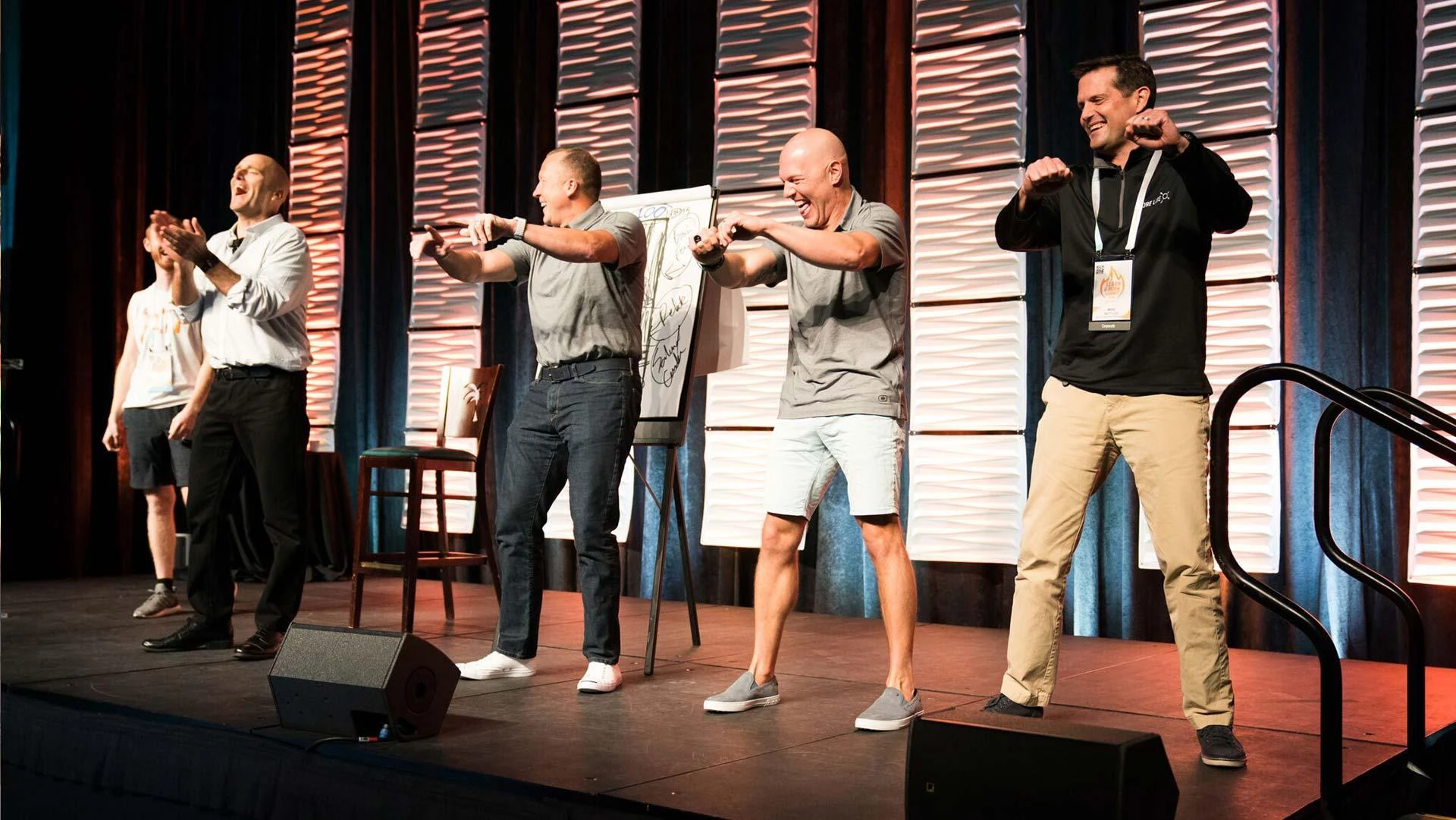
In today’s fast-paced world, people often face demanding schedules, professional pressures, and personal challenges. Conferences, corporate events, and professional development programs are designed to provide individuals with opportunities to learn, recharge, and gain fresh perspectives. Among the most impactful elements of these events are motivational speakers who inspire audiences through meaningful stories, practical insights, and engaging presentations.
Public speaking has evolved over the years to become more interactive and emotionally engaging. Instead of focusing solely on delivering information, modern speakers aim to create memorable experiences that resonate with audiences long after the event concludes. One of the most effective ways to achieve this is by combining humor with motivational messages that encourage positive change.
The Role of Humor in Motivational Speaking
Humor is a powerful communication tool that helps audiences feel comfortable and connected during a presentation. When people laugh, they become more relaxed and open to receiving new ideas. Humor also breaks down formal barriers between the speaker and the audience, allowing for a more natural and engaging interaction.
A laughter and motivation speaker uses humor strategically to create an atmosphere that encourages learning and participation. Instead of presenting ideas in a strictly formal tone, the speaker incorporates relatable stories and light-hearted observations that make complex topics easier to understand.
Humor also increases audience engagement. When people enjoy a presentation, they are more likely to remain attentive and absorb the key messages being delivered. This combination of entertainment and education makes motivational speaking far more effective.
Why Laughter Strengthens Motivation
Laughter is not only enjoyable but also beneficial for emotional well-being. Research shows that laughter can reduce stress, improve mood, and strengthen social connections. When people laugh together, they often feel more comfortable sharing ideas and participating in discussions.
A laughter and motivation speaker understands how laughter can be used to inspire individuals and teams. Through humorous stories and engaging commentary, the speaker encourages audiences to view challenges with a more positive perspective.
This approach is particularly valuable in professional environments where employees may experience stress or burnout. Humor helps create a sense of relief and allows participants to approach serious topics in a more open and constructive way.
By combining laughter with motivational insights, speakers help audiences develop resilience and maintain a positive outlook even during difficult situations.
Storytelling as a Powerful Communication Tool
Storytelling plays a central role in effective motivational speaking. People naturally connect with stories because they provide context, emotion, and meaning. Stories help audiences visualize experiences and relate them to their own lives.
In motivational presentations, storytelling often includes personal experiences, workplace scenarios, or everyday situations that illustrate valuable lessons. These stories may highlight moments of failure, perseverance, or unexpected success.
A laughter and motivation speaker often blends storytelling with humor to create engaging narratives that capture the audience’s attention. The humor makes the story entertaining, while the underlying message encourages reflection and growth.
This storytelling approach helps audiences remember key lessons long after the presentation ends. When people recall the story, they also remember the message behind it.
Creating Engaging and Memorable Presentations
One of the main challenges for speakers is maintaining audience attention throughout a presentation. Long lectures or overly technical discussions can sometimes cause listeners to lose focus. Humor provides a solution by keeping the presentation dynamic and interactive.
A laughter and motivation speaker often begins with an engaging opening that captures the audience’s attention. This may involve a humorous anecdote, a relatable observation, or a surprising story that immediately draws listeners into the presentation.
Throughout the session, humor is used to reinforce key points and maintain audience energy. Laughter helps break up serious discussions and keeps the atmosphere positive and lively.
In addition to humor, successful speakers use visual examples, audience participation, and expressive storytelling to ensure that the presentation remains engaging from beginning to end.
Benefits for Corporate and Professional Events
Organizations frequently invite motivational speakers to conferences, leadership seminars, and employee training events. These programs are designed to strengthen teamwork, encourage innovation, and improve workplace culture.
A laughter and motivation speaker can be particularly effective in corporate environments because humor helps reduce stress and encourages collaboration. Employees often feel more relaxed and open to discussion when presentations include moments of laughter.
Topics commonly addressed during these presentations include leadership development, communication skills, resilience, and adapting to change. Humor allows these topics to be discussed in a way that feels relatable and accessible rather than overly formal.
The combination of humor and inspiration helps organizations create events that leave a lasting impression on participants. Employees often leave these sessions feeling energized and motivated to apply new ideas in their professional lives.
Encouraging Personal Growth Through Humor
Motivational speaking is not limited to corporate settings. Many events focus on personal development, encouraging individuals to improve their mindset, relationships, and life goals.
A laughter and motivation speaker often shares experiences about overcoming obstacles, embracing change, and maintaining a positive outlook during challenging times. These stories demonstrate that setbacks can be valuable learning opportunities rather than permanent failures.
Humor helps audiences approach personal challenges with greater confidence. When people laugh at relatable experiences, they often realize that others have faced similar struggles and successfully moved forward.
This sense of shared experience can inspire individuals to take action, pursue their goals, and adopt a more optimistic mindset.
Building Stronger Connections with Audiences
Effective public speaking is not only about delivering information—it is also about building meaningful connections with the audience. When audiences feel connected to the speaker, they are more likely to trust the message and engage with the ideas being presented.
A laughter and motivation speaker creates this connection by sharing genuine experiences and using humor that reflects everyday life. These relatable moments help audiences see the speaker as approachable and authentic.
Authenticity is essential in motivational speaking because audiences respond best to speakers who share honest stories and practical insights. Humor becomes a bridge that connects the speaker’s experiences with the audience’s own challenges and aspirations.
When audiences feel that connection, the message becomes more powerful and memorable.
The Lasting Impact of Inspirational Speaking
The influence of motivational speaking often extends far beyond the event itself. Participants may reflect on the lessons they learned and apply them to their personal and professional lives.
A presentation that combines inspiration with humor can leave a lasting impression because it appeals to both the emotional and intellectual sides of the audience. People remember how the presentation made them feel, as well as the ideas that were shared.
A laughter and motivation speaker helps create these lasting impressions by delivering messages that are both entertaining and meaningful. The laughter experienced during the presentation becomes associated with valuable insights about growth, resilience, and success.
Conclusion
Motivational speaking continues to play an important role in inspiring individuals and organizations to achieve their goals. By combining humor, storytelling, and meaningful insights, speakers can transform ordinary presentations into memorable experiences.
A laughter and motivation speaker demonstrates that laughter is not only a source of entertainment but also a powerful tool for learning and motivation. Humor helps audiences relax, connect with the speaker, and absorb valuable lessons about personal and professional growth.
Through engaging storytelling and positive energy, these speakers encourage individuals to view challenges as opportunities and approach life with renewed enthusiasm. In a world where stress and pressure are common, the ability to combine laughter with inspiration remains one of the most effective ways to motivate and uplift audiences.