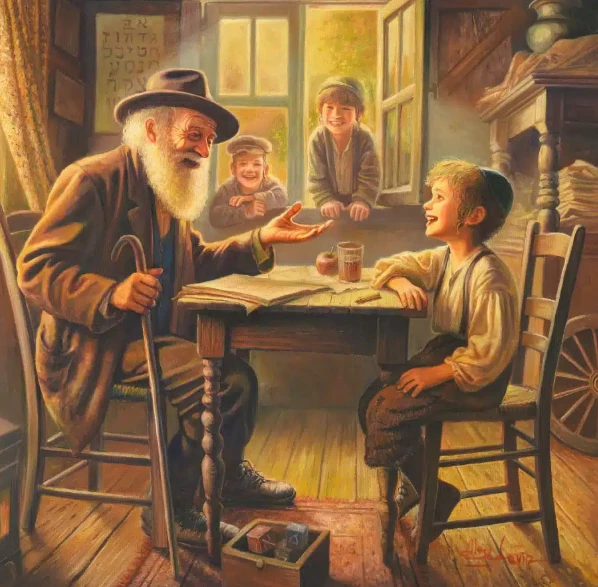
Art is more than just decoration-it is a window into history, culture, and the values that define a people. In the case of Jewish life paintings, each brushstroke carries layers of tradition, faith, and storytelling. These works capture not only moments from daily life but also the spirit of resilience and continuity that has carried Jewish communities through centuries.
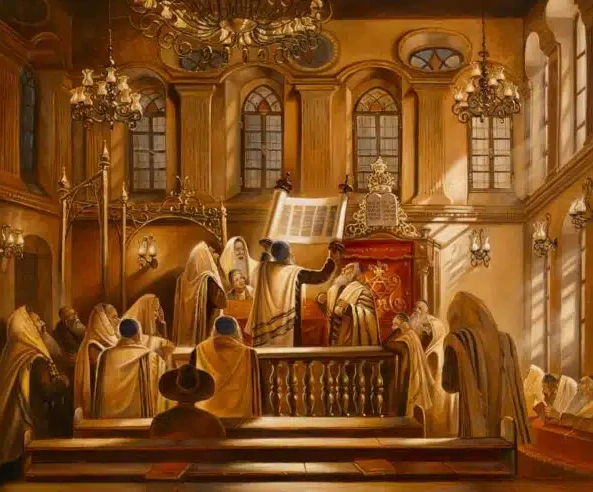
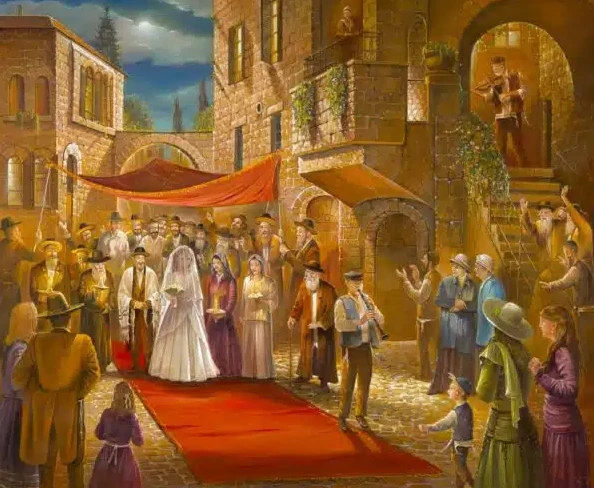
Scenes often include Shabbat dinners filled with warm candlelight, joyous wedding celebrations under the chuppah, vibrant market days, and the quiet reverence of prayer in the synagogue. Every detail-whether it’s the texture of a challah, the glint of a Kiddush cup, or the folds of a tallit-reflects the unique cultural fabric of Jewish tradition. These paintings go beyond mere aesthetics; they serve as living connections to heritage.
Why Paintings of Jerusalem Are Spiritually Significant
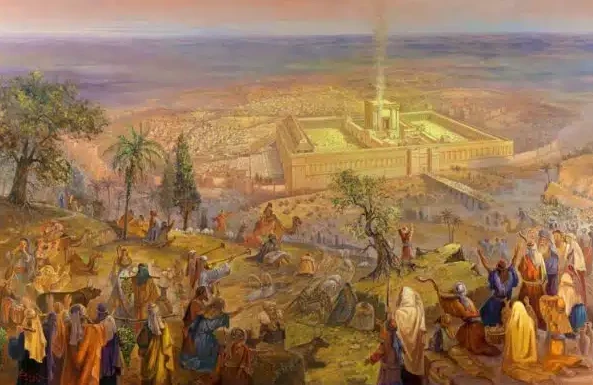
While Jewish life paintings tell personal and communal stories, paintings of Jerusalem carry a deeply spiritual and historic weight. Jerusalem is not just a city; it is the beating heart of Jewish faith, history, and longing. Artists often depict the golden hues of the Old City at sunrise, the ancient stones of the Western Wall, or the winding pathways of the Jewish Quarter with a sense of sacred reverence.
For many collectors, owning such a painting is a way to keep Jerusalem close whether they have visited the city or dream of doing so. These works are daily reminders of prayers, hopes, and stories tied to the city over thousands of years. They are not simply landscapes; they are symbols of identity and devotion.
Balancing Tradition with Modern Expression
One of the most fascinating aspects of both Jewish life paintings and paintings of Jerusalem is how artists balance historical accuracy with personal creativity.
Some works are highly realistic, meticulously capturing architectural details, traditional clothing, and the expressions of figures in the scene. Others take a more interpretive approach, using bold colors, impressionistic brushstrokes, or symbolic elements to convey mood and meaning. This blend of tradition and innovation allows these art forms to remain fresh while still honoring their roots.
Why Collectors Cherish These Works
For collectors, these paintings are more than valuable artworks-they are emotional treasures. A Jewish life scene might remind someone of childhood Shabbat dinners at a grandparent’s home. A Jerusalem painting might evoke memories of a family trip to the Holy Land. In this way, art becomes part of the collector’s own story.
From a practical perspective, high-quality Judaica art also holds investment value. Pieces with strong cultural significance and artistic excellence tend to appreciate over time, making them both emotionally and financially rewarding.
Bringing Jewish Tradition into Your Space
Incorporating such art into your home or office transforms the space. A painting of a lively Jerusalem street market can infuse energy and color into a modern apartment. A serene depiction of a Shabbat evening can bring a sense of peace to a dining room.
These works are versatile-perfect for private homes, synagogues, community centers, and even professional spaces where heritage and cultural pride are celebrated.
Conclusion: A Living Connection to Heritage
Both Jewish life paintings and paintings of Jerusalem offer something timeless: a visual connection to faith, history, and identity. They are not just for viewing but for living with, reminding us daily of the beauty, resilience, and continuity of Jewish tradition.
Whether you are an art collector, a lover of history, or simply someone who wants to bring more meaning into your surroundings, these paintings offer a way to keep the spirit of Jewish life and Jerusalem alive-on your walls and in your heart.