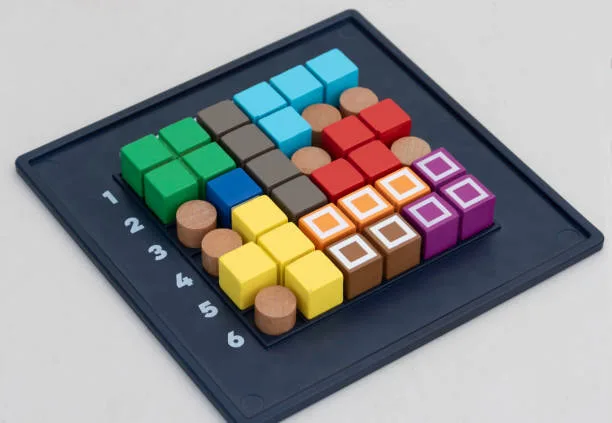
There is an unmatched sense of satisfaction that comes from starting a game with absolutely nothing and ending it with a massive, self-sustaining point factory. This is the core appeal of engine building, one of the most addictive and popular mechanics in modern game design. By keeping an eye on the newest board games, you can experience how designers are continuously refining this system, turning simple card combinations into highly satisfying strategic puzzles.
From Humble Beginnings to Explosive Turns
In an engine-building game, your initial turns are small and simple. You might collect a single coin or a basic resource. However, you immediately reinvest those small gains into buying assets—like buildings, technologies, or crew members—that grant permanent bonuses or discounts on future turns. As the game progresses, your choices chain together. What took you three turns to accomplish at the start of the game can eventually happen automatically as a side effect of a single action later on.
The Balancing Act of Efficiency
The real challenge of engine building is managing efficiency against the clock. If you spend too much time building a beautiful, complex machine, the game might end before your engine has a chance to generate actual victory points. Players must constantly read the state of the board and determine the exact tipping point: when to stop investing in infrastructure and when to start running the engine at full speed exclusively for points to secure the win.
Conclusion
Engine-building games appeal directly to our love of optimization, growth, and clever problem-solving. They reward forward-thinking strategies and offer immense replayability as you try to discover new card combinations and synergies. If you love watching a plan come together piece by piece, diving into this genre will provide countless hours of engaging tabletop entertainment.
FAQs
What is the difference between deck-building and engine-building? Deck-building is a specific subgenre of engine-building where your "machine" is a literal deck of cards. You buy cards from a central pool to add to your deck, shuffling it continuously to draw more powerful hands as the game progresses.
Can engine-building games feel like "multiplayer solitaire"? Some can, especially if player interaction is limited to drafting cards from a shared market. However, many modern designs introduce shared goals or map control elements to force players to interact while building their engines.
How do designers prevent one strategy from being overpowered? Publishers utilize extensive playtesting groups to run hundreds of simulated games, analyzing data to tweak resource costs, card abilities, and point values until no single dominant strategy exists.