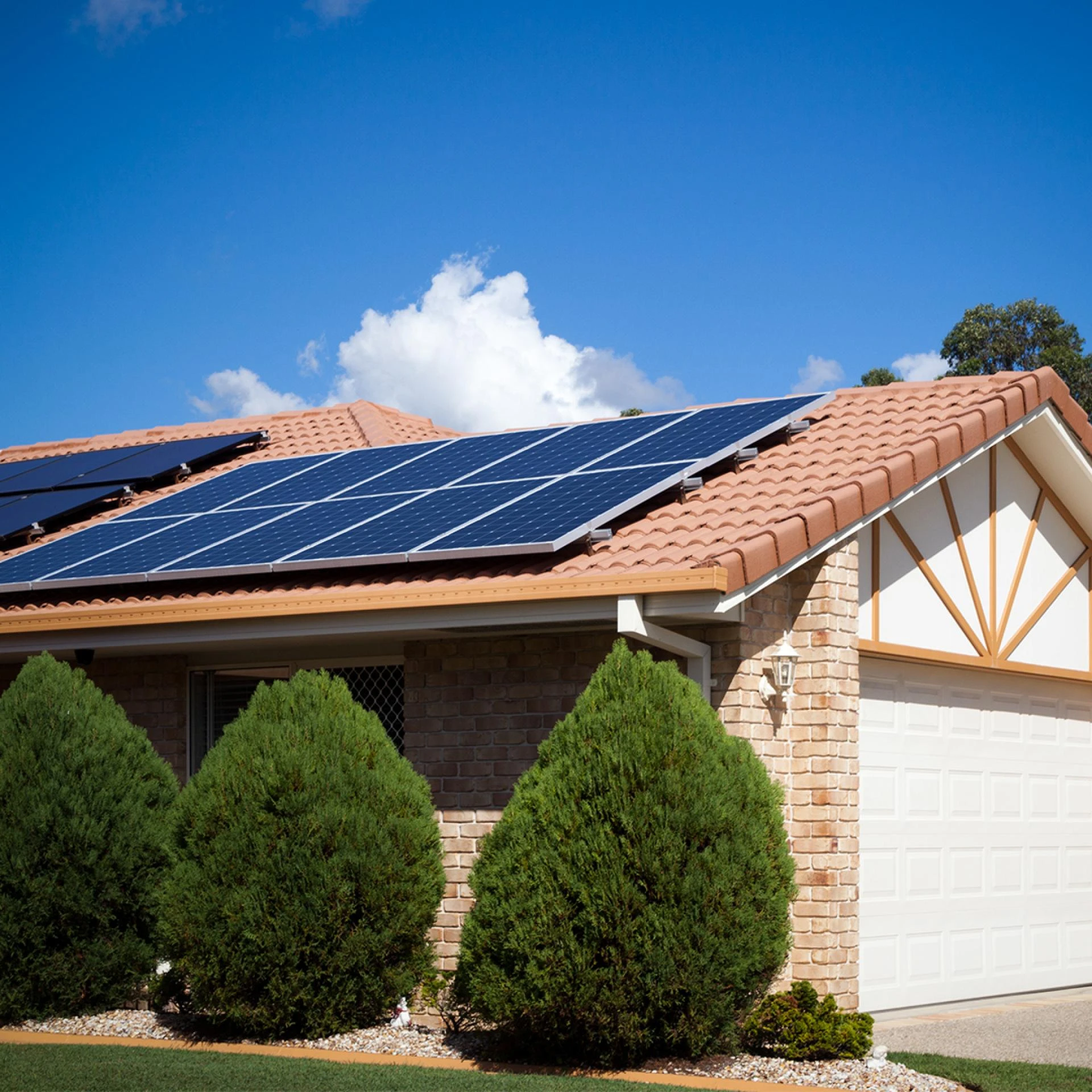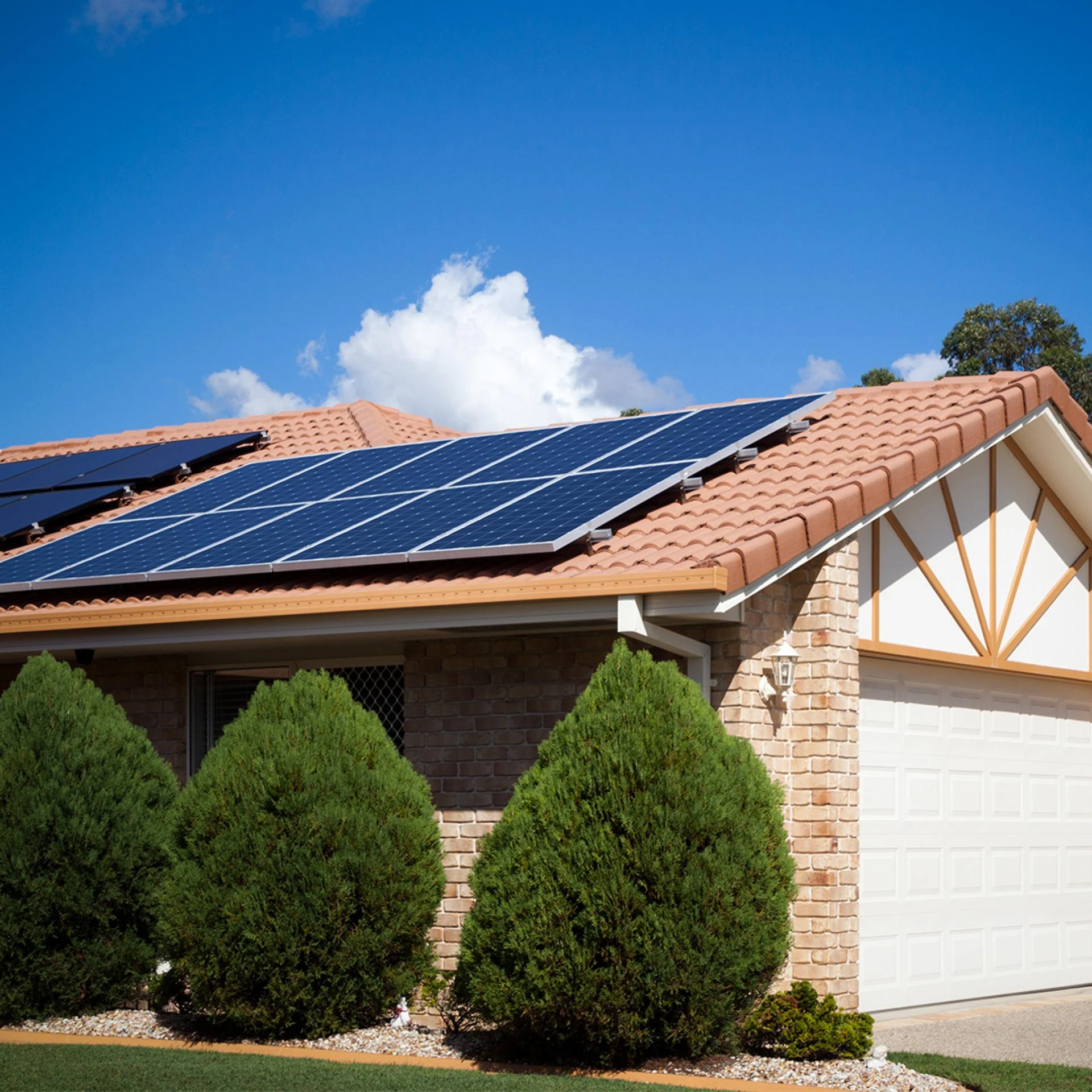
An expert usually stops and stares at the roof for a moment longer than homeowners expect, almost like they’re trying to listen to what the structure is quietly saying. It looks simple from outside, but roofs carry small stories, and an assessor tries to read those before anything technical even begins.
Feeling the Age of the Structure Without Touching It
There is always a point where the installer senses the roof’s age not just by appearance but by the way materials sit, tilt, or respond to light pressure. They do not jump straight into measurements to install solar panels on roof because the roof’s condition often reveals itself through subtle posture more than any number.
Watching the Daylight Move Across the Slope
Professionals like to observe how sunlight touches the roof. Not just the intensity, but the direction sunlight tends to wander across the slope. They imagine mornings, late afternoons, and that one awkward hour when clouds play tricks. This helps them guess how panels might behave after solar installation in Baringa in real conditions rather than perfect charts.
Mapping Shadows Even When Homeowners Think There Are None
People living in the house often miss shadows cast by small things like a tall pipe or an oddly placed mango tree. Experts watch shadows stretch, sometimes imagining how winter sun sits lower and creates longer disruptions. This odd mental mapping prevents years of performance loss that could have been avoided.
Checking the Tilt With Instinct Before Tools
Even though digital tools are available, an expert’s first reading comes from instinct. A roof that’s too steep feels slightly unsafe even before measurements confirm it. One that’s too flat raises drainage questions instantly. They combine gut feeling with later calculations to form a picture that feels grounded.
Reading the Material Like Texture on a Page
Clay tiles, concrete slabs, metal sheets, and composite shingles behave differently under pressure. A trained eye immediately reads fragility or durability. Some materials require custom brackets. Some need extra care because they crack under weight. This isn’t just technical; it’s more like understanding the personality of the surface.
Spotting Old Repairs Hidden in Plain Sight
Many roofs carry old wounds. Patchwork areas, mismatched shingles, slightly raised corners. Experts pick these out quietly. They know an old repair might be weaker than the rest of the roof. It helps them decide whether the installation needs reinforcement or minor adjustments before anything permanent sits on top.
Judging the Load Capacity With Realistic Caution
A roof may look strong but still lack structural endurance for panels. Experts consider the building’s age, the style of construction, and how beams have settled over the years. They don’t only rely on load numbers but also on experience, since each house behaves differently depending on its history.
Tracing Possible Wiring Routes Without Drawing Them
Wiring must travel from panels to the inverter in the cleanest path possible. Professionals think through this quietly, tracing imaginary lines from one point to another. They avoid difficult corners so the homeowner doesn’t end up with drilled walls or awkward conduits later. It’s almost like solving a puzzle.
Thinking About Where the Inverter Will Live
The inverter needs a thoughtful location. A dry corner, a cool wall, or a space that isn’t constantly disturbed. Experts mentally test these spots before mentioning anything out loud, making sure the placement will feel convenient years later, not just during installation week.
Considering Vents and Pipes, People Forget About
Homes often have small vents sticking out or pipes that interrupt the layout. Many homeowners forget they exist until installers point them out. Experts quietly note these obstacles and adjust panel placements so nothing blocks ventilation or airflow. It saves trouble that might appear months down the line.
Reading the Local Weather’s Personality
Some regions face harsh monsoons, while others suffer heavy heat. Installers keep this in mind. They remember past storms in the area or ask neighbors about wind direction. Local weather shapes everything from panel angle to mounting strength, and ignoring these habits could weaken the system.
Thinking About Where Rainwater Naturally Wants to Go
Rainwater has predictable paths on every roof. Professionals try to see those paths and imagine how panels might alter them. They avoid interrupting the flow because trapped water leads to leaks or slow damage. This step looks minor, but it protects the roof from various issues.
Leaving Room for People to Walk Later
Technicians know they will return someday for cleaning or servicing. They try to avoid layouts that block safe walking paths. This human consideration, though rarely discussed, makes a big difference. It ensures no one has to climb awkwardly or risk stepping on sensitive components later.
Checking for Bird Activity Without Making It Dramatic
Birds often choose cozy spaces under panels. If the area is too welcoming, they plan protective mesh or suitable spacing. Homeowners often learn this reality only when it becomes a problem, so the installer tries to prevent it quietly from the start.
Planning for Possible Expansion Later![]()
Experts often think ahead without mentioning it immediately. If the homeowner might add batteries or more panels, they quietly factor it in.