
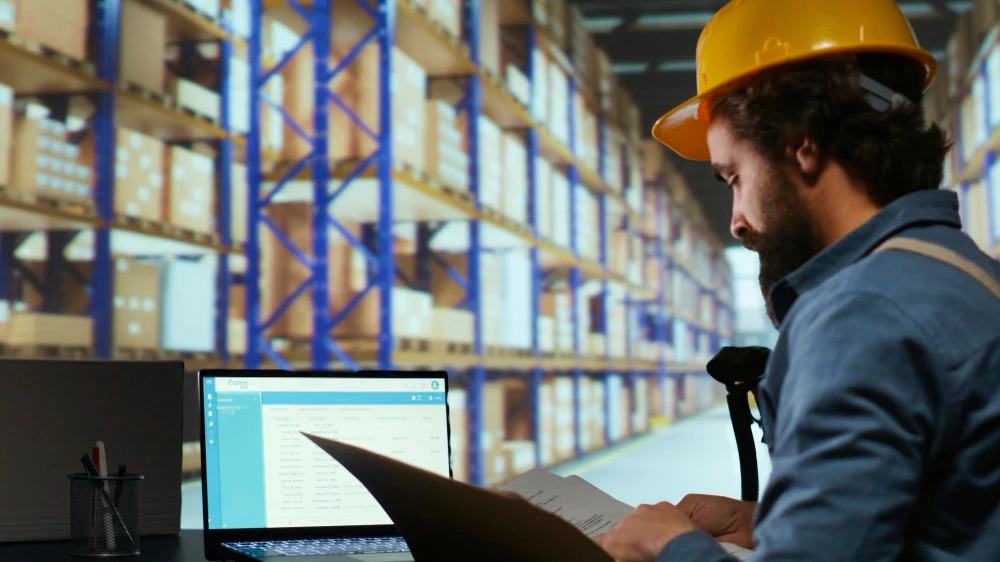
In recent years, a subtle but powerful transformation has taken hold in the world of logistics: the warehouse developer is no longer just a builder of sheds. Instead, technology has become central to designing facilities that are smarter, faster, and more sustainable. Companies are rethinking what a warehouse should be, not only in terms of size and location, but also in how it operates and its impact on its surroundings.
Smarter: Intelligence & Automation
A modern warehouse developer integrates automation and digital tools into the core of its operations. Robotics, automated material handling, and AI-powered systems are no longer optional extras but essential components. IndoSpace, for example, in its parks, has introduced contactless gate management systems, robotics & automation, and virtual tours to streamline workflows and improve visibility.
Warehouse management systems (WMS) integrated with IoT sensors can track goods in real time, predict bottlenecks, and optimize inventory flow, freeing human operators to focus on tasks that require judgment rather than repetitive labor. These innovations help reduce errors, reduce downtime, and raise overall operational intelligence.
Faster: Speed & Efficiency
Speed is a differentiator in today’s supply chains. A warehouse developer that embraces technology can significantly reduce lead times from the first entry of goods to outbound dispatch. Digitally enabled infrastructure, such as virtual site inspections, contactless visitor systems, automated check-ins, and multi-loading bays, enables faster throughput. IndoSpace’s multiple loading bays across parks are one example of facilitating the rapid movement of goods.
Additionally, technologies like digital twins allow developers and operators to simulate layouts, flow of goods, machinery placement, and human movement ahead of construction or operational changes. This kind of modeling helps avoid costly misdesigns and ensures the facility is optimized before concrete is even poured.
Greener: Sustainability & Responsible Development
Green buildings and operational efficiency go hand in hand. Warehouse developers are recognising that energy, water, materials, and emissions are important metrics. Incorporating solar power, smart lighting, efficient HVAC, rainwater harvesting, and better insulation are part of the new norm. IndoSpace’s parks are known to be Grade-A with high ESG standards, reflecting a commitment to environmental responsibility.
Moreover, sustainable design delivers long-term benefits: lower utility bills, reduced carbon footprint, and improved community acceptance. A warehouse developed with green credentials is often easier to permit, maintain, and attract forward-looking tenants focused on sustainable supply chains.
Conclusion
For a warehouse developer, technological integration is not just a feature—it’s becoming a core competency. Smart automation, faster workflows, and green infrastructure define the facilities of the future. As demands grow, those developers who invest in intelligent design and sustainability will set benchmarks—not only for their competitors but for the larger ecosystems of trade, manufacturing, and logistics.