
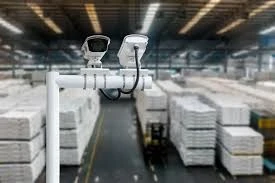
As businesses expand beyond a single office or storefront, security challenges increase significantly. Managing safety, preventing theft, and maintaining visibility across multiple locations requires more than basic alarms or occasional site checks. Without a centralized approach, gaps in oversight can quickly emerge, putting assets, employees, and operations at risk.
To address these challenges, many organizations are turning to commercial remote video monitoring as a smarter, more efficient way to maintain consistent security across all locations while improving response times and reducing operational strain.
The Complexity of Multi-Location Security
Securing one facility is manageable. Securing five, ten, or even dozens of locations introduces complexity. Each site may have different layouts, operating hours, and risk profiles. Relying on local staff or separate security providers often leads to inconsistent coverage and uneven enforcement of security standards.
Without unified visibility, leadership lacks a clear understanding of what is happening across the business. Incidents may go unnoticed until damage has already occurred, and responding effectively becomes difficult when information is fragmented.
Why Traditional Security Models Fall Short
Many businesses still rely on on-site guards, basic surveillance systems, or periodic patrols. While these measures provide some level of protection, they are expensive to scale and difficult to manage across multiple locations.
Recorded footage reviewed after an incident offers limited value. By the time issues are discovered, losses have already occurred. This reactive model leaves businesses vulnerable and limits their ability to prevent problems before they escalate.
Centralized Visibility Changes Everything
A centralized security approach allows businesses to monitor all locations from a single point of control. Live video feeds provide real-time insight into activity across sites, helping teams identify potential issues immediately.
In the middle of a modern security strategy, commercial remote video monitoring enables decision-makers to verify situations visually, coordinate responses quickly, and maintain consistent oversight regardless of how many locations are involved.
Faster Response and Fewer Losses
Response time is critical when incidents occur. Unauthorized access, suspicious behavior, or safety violations can quickly escalate if not addressed promptly. Live monitoring allows security teams to assess situations as they happen and take immediate action.
This rapid response reduces theft, vandalism, and downtime. It also minimizes the need for emergency interventions, which are often more costly and disruptive.
Consistent Security Standards Across All Locations
One of the biggest challenges in multi-location operations is maintaining consistent security practices. Different sites may interpret policies differently or follow inconsistent procedures.
Centralized monitoring helps standardize enforcement. Security teams can apply the same protocols across all locations, ensuring that expectations are clear and consistently upheld. This uniformity reduces risk and improves overall safety.
Reducing Operational Costs
Scaling traditional security measures can be expensive. Hiring additional guards or maintaining separate security systems at each location increases overhead quickly.
Remote monitoring reduces these costs by consolidating oversight into a centralized system. Businesses gain comprehensive coverage without the expense of fully staffed on-site security at every location.
Supporting Business Continuity
Security incidents disrupt operations. Whether it is theft, vandalism, or unauthorized access, downtime impacts productivity and revenue.
Live monitoring supports business continuity by identifying and addressing issues early. Problems are resolved before they affect daily operations, allowing businesses to maintain momentum and protect their reputation.
Improving Accountability and Transparency
Centralized video monitoring creates a clear record of activity across all sites. This transparency supports accountability and helps resolve disputes or investigations more efficiently.
Managers gain confidence knowing that operations are being monitored consistently, and teams understand that standards are enforced fairly across the organization.
Adapting to Growth and Change
As businesses grow, security needs evolve. New locations, expanded facilities, and changing workflows require flexible solutions.
Remote monitoring systems scale easily, allowing businesses to add locations without overhauling their security infrastructure. This adaptability ensures protection remains effective as operations expand.
Leveraging Data for Smarter Decisions
Beyond security, monitoring systems generate valuable insights. Patterns in activity, recurring incidents, or operational inefficiencies can be identified and addressed proactively.
These insights help businesses refine policies, improve site layouts, and reduce future risk, turning security data into an operational advantage.
Conclusion
Securing multiple business locations requires more than isolated systems and reactive measures. It demands centralized visibility, consistent standards, and fast response capabilities.
By adopting commercial remote video monitoring, businesses gain a smarter, more scalable way to protect assets, reduce risk, and maintain control across every location. This approach transforms security from a fragmented challenge into a unified, efficient operation that supports long-term growth and stability.