
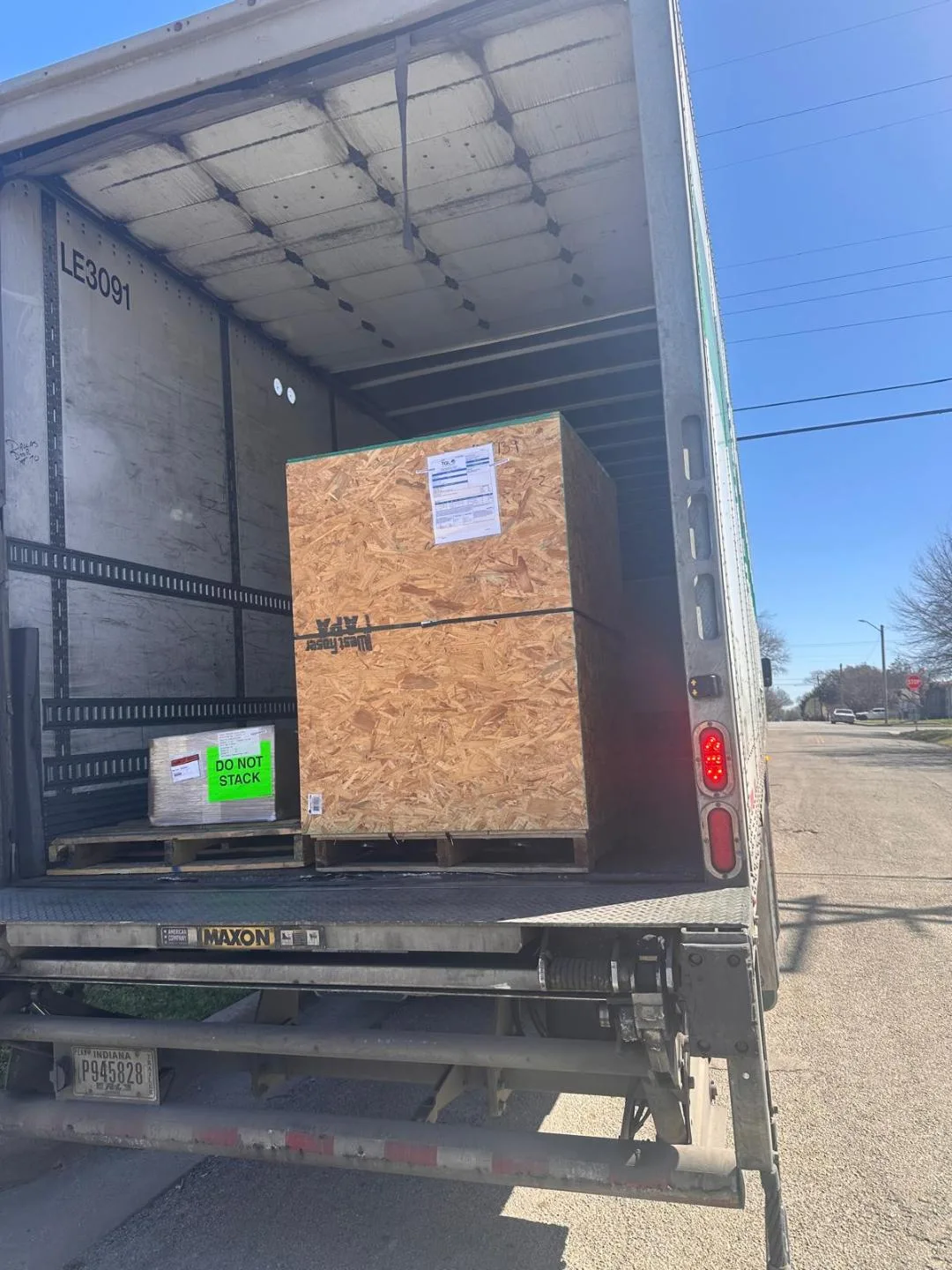
Transporting medical devices is not like moving ordinary items. These machines are often delicate, expensive, and essential for patient care. A small issue during transport can lead to serious consequences, from costly repairs to delayed treatments. That’s why medical equipment crating is such a critical step in the process.
This article explains everything in simple terms—no complicated language—so you can clearly understand how crating works and why it matters.
What Is Medical Equipment Crating?
Think about how you would pack a fragile glass item at home. You would wrap it in soft material, place it in a sturdy box, and make sure it doesn’t move. Now imagine doing that for something like a diagnostic machine or surgical equipment.
That’s what medical equipment crating involves. It’s the process of building a strong, custom enclosure that protects sensitive medical devices during transportation. These crates are carefully designed to match the exact shape and needs of each piece of equipment.
Instead of a simple box, it’s more like a protective case that shields the equipment from shocks, movement, and environmental conditions.
Why Medical Equipment Needs Special Care
Medical devices are different from regular machinery. They often include precise components that must remain perfectly aligned.
Fragile Internal Parts
Many medical machines have small, delicate parts inside. Even a slight movement can affect how they function. Crating keeps everything stable, reducing the risk of internal damage.
High Value
Medical equipment is often expensive. Damage during shipping can lead to significant financial loss, not to mention delays in operations.
Importance for Healthcare
These machines are used for diagnosis and treatment. If they arrive damaged, it can impact patient care. Proper crating helps ensure they are ready to use upon arrival.
Sensitivity to Environment
Some devices are affected by temperature, moisture, or dust. Crates can include protective layers to keep conditions stable during transit.
How the Crating Process Works
Creating a crate for medical equipment is a thoughtful process. Each step is designed to provide maximum protection.
Assessment of the Equipment
The first step is understanding the equipment. Its size, weight, and sensitive areas are carefully reviewed. This helps determine what kind of support is needed.
Designing the Crate
A custom plan is created based on the equipment’s needs. For example, if a device has fragile components, extra cushioning is added in those areas.
Building the Structure
The crate is constructed using strong materials that can handle transport conditions. The goal is to create a stable and protective enclosure.
Securing the Equipment
The device is placed inside and fixed in position. Supports, padding, and restraints are used to prevent any movement.
Final Preparation
The crate is sealed and labeled with clear handling instructions. This ensures that everyone involved in the transport process knows how to handle it properly.
Types of Crates for Medical Equipment
Different types of crates are used depending on the equipment and shipping method.
Fully Enclosed Crates
These provide complete protection on all sides. They are ideal for long-distance or international transport.
Cushion-Supported Crates
These include extra padding to absorb shocks. They are used for highly sensitive devices.
Base Support Crates
These have a strong base that makes it easier to lift and move heavy equipment.
Custom-Built Crates
For unique or complex devices, a crate is designed specifically to fit the equipment perfectly.
Choosing the Right Service Provider
Selecting a reliable crating and shipping company is essential for safe transport.
Experience with Medical Equipment
A provider with experience understands the unique challenges involved. They know how to handle delicate devices properly.
Attention to Detail
Small details, like proper padding and secure placement, can make a big difference. A good company focuses on these details.
Use of Quality Materials
Strong and reliable materials ensure that the crate can handle the journey without failing.
Complete Services
Some providers handle both crating and shipping. This can simplify the process and reduce the chances of errors.
Mistakes to Avoid
Even small mistakes can lead to serious problems when transporting medical equipment.
Poor Planning
Skipping proper assessment can result in a crate that doesn’t fit or protect the equipment properly.
Inadequate Support
If the device isn’t secured correctly, it can move and get damaged during transit.
Ignoring Environmental Factors
Temperature changes or humidity can affect certain devices. Proper protection is necessary.
Choosing the Cheapest Option
Saving money upfront may lead to higher costs later if the equipment is damaged.
Benefits of Professional Crating
Working with experts offers several advantages.
Better Protection
Professionals know how to design crates that provide maximum safety.
Reduced Risk
Proper crating lowers the chance of damage, saving time and money.
Efficiency
Experts handle the process quickly and effectively, reducing delays.
Compliance with Standards
For international shipping, certain packaging rules must be followed. Professionals ensure everything is done correctly.
Why Businesses Trust AA&D Crating
When it comes to transporting sensitive medical devices, reliability is key. AA&D Crating is known for its careful and thoughtful approach.
They focus on creating custom solutions rather than using standard designs. This ensures that each piece of equipment gets the exact level of protection it needs.
From the initial assessment to the final sealing, their process is designed to minimize risk and ensure safe delivery.
A Simple Example to Understand the Importance
Imagine sending a delicate medical scanner without proper protection. During transport, it shifts slightly, causing internal parts to misalign. When it arrives, it doesn’t function properly.
Now imagine the same scanner placed inside a well-designed crate. It stays secure, protected from shocks and environmental changes. When it reaches its destination, it works perfectly.
This example shows how proper crating can make all the difference.
When Is Crating Necessary?
Not every shipment requires crating, but it’s essential in many situations.
- Long-distance transportation
- International shipping
- Moving high-value or sensitive equipment
- Storage for extended periods
- Handling complex or irregularly shaped devices
If there is any risk of damage, crating is a smart choice.
How Crating Is Improving Over Time
As technology advances, crating methods are also evolving.
Better materials are being used to create stronger and lighter crates. Designs are becoming more precise, offering improved protection.
There is also a growing focus on sustainability. Many companies are working to reduce waste by using reusable or eco-friendly materials.
These improvements are making the process more efficient and reliable.
Final Thoughts
Transporting medical equipment requires careful planning and attention to detail. The risks are high, but they can be managed with the right approach.
Medical equipment crating provides a dependable way to protect sensitive devices during transport. It ensures that equipment arrives safely and is ready to use when needed.
By working with an experienced crating and shipping company and choosing customized solutions, businesses can reduce risks and avoid costly issues. Companies like AA&D Crating show how proper planning and expertise can lead to successful outcomes.
In the end, the goal is simple—keep medical equipment safe, functional, and ready to support patient care wherever it’s needed.