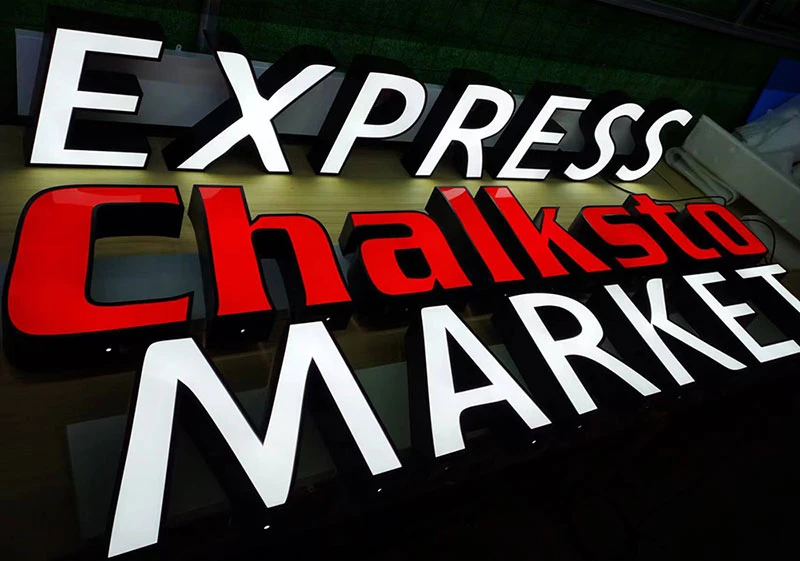
In today’s competitive marketplace, sign boards play a vital role in capturing attention and communicating a brand’s message instantly. Whether placed outside a retail shop, office, or restaurant, they act as a silent salesperson—working 24/7 to attract customers. From simple nameplates to illuminated displays, sign boards are not just decorative elements; they are strategic tools that influence perception, build trust, and drive foot traffic.
The Importance of Sign Boards in Modern Business
A well-designed sign board is often the first point of contact between a business and its potential customers. Before someone steps inside a store, they form an opinion based on what they see outside. A clear, attractive, and professional sign creates a positive first impression, while a dull or outdated one can push customers away.
Sign boards also help establish brand identity. The use of consistent colors, fonts, and logos reinforces recognition and makes a business memorable. For small businesses especially, a strong visual presence can level the playing field against larger competitors.
Types of Sign Boards
Businesses can choose from a wide variety of sign boards depending on their needs, budget, and location.
1. Outdoor Sign Boards
These are designed to attract people from a distance. They are usually weather-resistant and made from durable materials like metal, acrylic, or PVC. Examples include storefront signs, billboards, and pole signs.
2. Indoor Sign Boards
Used inside a business, these signs guide customers, display promotions, or enhance the interior design. Examples include directional signs, menu boards, and informational displays.
3. Illuminated Sign Boards
These signs use lighting elements such as LED or neon to remain visible at night. They are highly effective for businesses that operate after dark, such as restaurants and convenience stores.
4. Digital Sign Boards
Modern businesses increasingly use digital displays to show dynamic content. These can be updated easily and are ideal for promotions, announcements, and interactive advertising.
Key Elements of Effective Sign Board Design
Creating an impactful sign board requires careful consideration of several design elements.
Clarity and Readability
The message should be easy to read from a distance. Simple fonts, appropriate spacing, and high contrast between text and background improve visibility.
Color Psychology
Colors evoke emotions and influence decisions. Bright colors can grab attention, while softer tones can create a sense of calm and trust. Choosing the right color combination is crucial.
Size and Placement
The size of the sign should match its viewing distance. Placement is equally important—positioning a sign where it is easily visible ensures maximum impact.
Consistency
A sign board should align with the overall branding of the business. Consistency across all marketing materials helps build a strong and recognizable identity.
Benefits of Investing in Quality Sign Boards
Increased Visibility
A well-placed sign board ensures that your business is noticed, even in crowded areas.
Cost-Effective Marketing
Unlike recurring advertising costs, a sign board is a one-time investment that continues to promote your business for years.
Builds Trust
Professional signage signals credibility and reliability, making customers more likely to engage with your business.
Boosts Sales
Attractive and informative sign boards can influence purchasing decisions and increase foot traffic.
Common Mistakes to Avoid
While sign boards are powerful tools, poor design choices can reduce their effectiveness.
· Overcrowding with Information: Too much text can confuse viewers. Keep it simple and direct.
· Poor Lighting: Inadequate lighting makes signs hard to read, especially at night.
· Low-Quality Materials: Cheap materials may fade or break quickly, harming your brand image.
· Ignoring Maintenance: Dirty or damaged signs can create a negative impression.
The Future of Sign Boards
With advancements in technology, sign boards are becoming more interactive and dynamic. Digital and smart signage allows businesses to display real-time content, personalize messages, and even integrate with mobile devices. Sustainability is also gaining importance, with eco-friendly materials and energy-efficient lighting becoming more popular.
Despite these innovations, the core purpose of sign boards remains the same—to communicate effectively and attract attention.
Conclusion
Sign boards are more than just markers of location; they are essential branding and marketing tools that influence how a business is perceived. By investing in thoughtful design, quality materials, and strategic placement, businesses can turn their signage into a powerful asset. In a world full of distractions, a compelling sign board can make all the difference between being noticed and being overlooked.