
Our most treasured equipment is silently and sneakily harmed by the off-season. It’s not the dramatic summer storm or the accidental drop that does the most damage; it’s the slow, creeping attack of mildew, the corrosive power of forgotten salt, and the deforming pressure of improper storage. When you excitedly browsed for Online Water Sport Accessories during the peak of the season, you were investing in future joy. Now, protecting that investment requires a proactive defense against the quiet threats of winter, ensuring your gear doesn't just survive the off-season, but emerges ready for peak performance next spring.
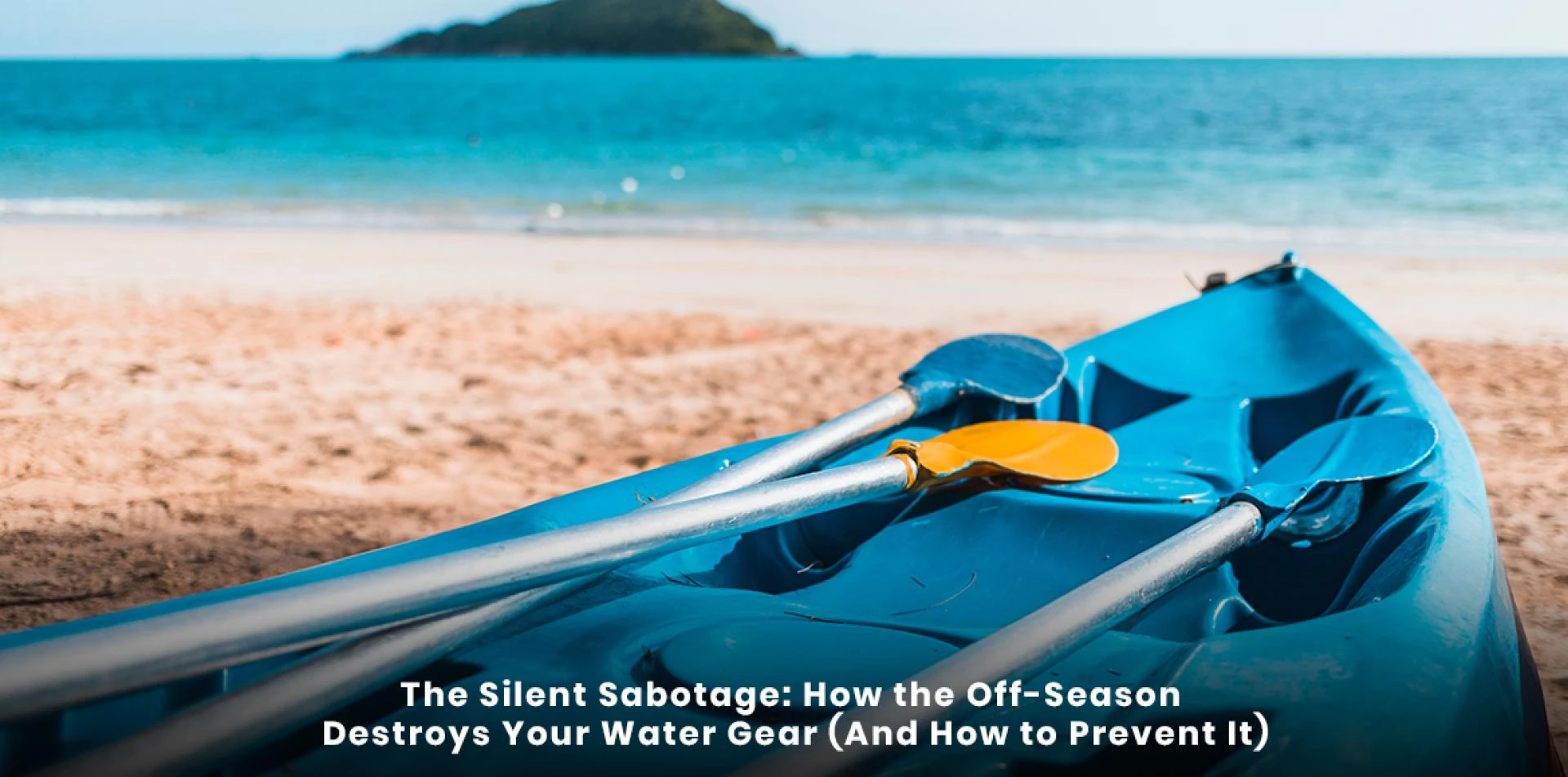
This is especially true for the workhorses of our aquatic adventures. The advanced materials used in modern watercraft are marvels of engineering, but they have specific vulnerabilities. When you purchase high-quality Kayaking Products Online, you're buying hulls designed for glide and rigidity, but the very polymers that make them lightweight and strong can become brittle in a freeze-thaw cycle. Storing a kayak improperly on a cold garage floor can create pressure points that, combined with temperature fluctuations, lead to warping or even micro-fractures in the hull—damage you might not notice until you're already on the water.
The gear designed to keep our valuables safe is equally at risk. The fabrics and seams that make up the Best Dry Bags are engineered to form an impenetrable barrier against water from the outside. They are unable to repel an internal attack, though. When a bag is stored even slightly damp, microscopic mildew spores feast on the waterproof TPU or PVC lining, weakening the material and creating a musty odor that’s nearly impossible to remove. A tight fold or crease, held for months, can become a permanent point of failure in the fabric, turning your once-reliable dry bag into a liability.
This principle of internal threat applies across the board. Think about your versatile Waterproof Beach Bags, which bear the brunt of salt spray and carry home damp, sandy towels. Each grain of sand is a tiny abrasive, and every salt crystal is a desiccant that draws moisture and accelerates corrosion. When left unattended for months, this residue silently works away at fabrics, zippers, and seams. Protecting your gear is not just about stowing it away; it's about neutralizing these hidden enemies before they have a chance to do their destructive work.
Your Defensive Checklist Against Off-Season Sabotage
Arm your gear against the silent killers of winter with this strategic guide.
Phase 1: Neutralize All Threats (The Deep Clean)
Your first objective is to remove every corrosive and biological agent. This is a search-and-destroy mission against salt, sand, grime, and bacteria.
- The Fresh Water Purge: Every single piece of equipment must be thoroughly rinsed with fresh water. Submerge smaller items and use a soft brush on stubborn spots. For kayaks and SUPs, pay special attention to deck pads, rigging, and hatches where salt and grime accumulate.
- Targeted Cleaning: Use a biodegradable soap for hard surfaces. Use a specific wetsuit shampoo for neoprene items like boots and wetsuits. This doesn't just clean; it kills the bacteria that cause neoprene to degrade and smell.
- The Inside Job: Remember to clean the inside of your bags and kayak cockpits just as meticulously as the outside.
Phase 2: Eliminate the Habitat (Thorough Drying)
Mildew and mold cannot grow without moisture. Your goal is to create a desert-like environment for them.
- Patience is a virtue: Let everything air dry entirely, ideally in a well-ventilated, shady area. Direct sunlight can damage materials over time.
- Turn It Inside Out: Wetsuits, booties, and bags should be turned inside out for part of the drying process to ensure every nook and cranny is bone-dry.
- Check and Double-Check: Before storage, feel inside seams, pockets, and cuffs. What feels "mostly dry" is still a five-star resort for mildew.
Phase 3: Create a Safe Haven (Smart Storage)
Where and how you store your gear is your final line of defense.
- Fight Gravity and Pressure: Never store a board or kayak flat on the concrete. To keep the hull from warping, use a special rack or sling system. To preserve the shoulder seams, hang wetsuits on broad, padded hangers. Store dry bags and beach bags loosely rolled, not tightly folded.
- Control the Climate: A cool, dark, dry place like a basement, closet, or temperature-controlled garage is ideal. Avoid attics with extreme temperature swings and sheds exposed to pests.
- Inspect and Repair: The cleaning phase is the perfect time for a full inspection. Found a small tear in your dry bag or a fraying PFD strap? Order a patch kit or replacement buckle online and fix it now. This preventative maintenance is far less stressful than a pre-trip scramble.
Win the Battle Against Winter
By shifting your mindset from passive storage to active protection, you transform a seasonal chore into a strategic advantage. You ensure the gear you invested in remains a high-performance asset, not a degraded liability. The durability of quality products from brands like Skog Å Kust is designed to withstand a tough life on the water, but it's this thoughtful off-season care that guarantees their longevity. Follow this guide, and when the ice thaws and the water calls your name, your gear will be as ready for adventure as you are.