When a fire breaks out, the most visible damage often comes from flames, smoke stains, and ruined belongings. Once the fire is out, many property owners focus on cleanup and cosmetic repairs. What often goes unnoticed, however, is the silent structural damage caused by intense heat and smoke. This hidden impact can weaken a building long after the flames are gone—making professional structural restoration a critical step in true recovery.
How Fire Affects Structural Integrity
Fire doesn’t need to burn a structure to the ground to cause serious harm. Extreme heat alters the physical properties of building materials. Steel beams can lose strength, wooden supports may become brittle, and concrete can crack internally even if it looks intact on the surface. Smoke and soot also penetrate walls and ceilings, accelerating corrosion and long-term deterioration.
Because these issues aren’t always visible, many buildings that appear safe after a fire may actually be compromised. Without proper evaluation, occupants risk long-term safety hazards and escalating repair costs.
The Hidden Role of Smoke and Heat
Smoke damage is more than just discoloration and odor. Smoke particles are acidic and can slowly eat away at metal connectors, fasteners, and support systems. Meanwhile, heat travels upward and outward, weakening roof trusses, floor joists, and load-bearing walls.
In many cases, fire damage spreads unevenly. One section of a structure may appear untouched, while hidden cavities behind walls or ceilings have suffered significant thermal stress. This is why surface-level repairs are never enough after a fire incident.
Why Structural Restoration Matters
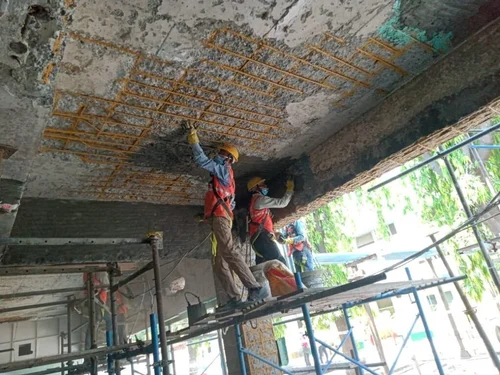
Structural restoration goes beyond debris removal and surface repairs. Its purpose is to restore the building’s strength, safety, and stability. Restoration professionals assess the entire structure to identify weakened materials, compromised supports, and hidden damage.
Ignoring structural restoration can lead to sagging floors, cracked foundations, roof failures, and even partial collapse over time. Investing in professional restoration early helps prevent future emergencies and ensures the building meets safety standards.
The Structural Restoration Process After Fire
A proper restoration process starts with a detailed inspection using advanced tools and industry expertise. Specialists evaluate heat exposure, material damage, and structural shifts. Once the damage is identified, restoration teams reinforce or replace weakened beams, columns, and load-bearing components.
Damaged materials are carefully removed, while salvageable sections are treated to prevent further deterioration. This approach not only restores structural integrity but also preserves as much of the original building as possible.
Restoring Safety, Not Just Appearance
One of the biggest misconceptions about fire restoration is that a building is safe once it looks normal again. Fresh paint and new drywall may hide deeper issues, but they don’t fix compromised frameworks. Structural restoration ensures the building is safe to occupy, resistant to future stress, and compliant with local building codes.
Professional restoration also supports insurance claims by documenting damage accurately and ensuring repairs meet industry standards.
Long-Term Benefits of Professional Restoration
Proper structural restoration extends the lifespan of a building and protects its value. It reduces the risk of recurring repairs, improves energy efficiency, and restores confidence for homeowners, tenants, and investors alike.
Most importantly, it provides peace of mind. Knowing that a structure has been professionally restored—not just cleaned up—means occupants can return safely without worrying about hidden dangers.
Conclusion
Fire damage doesn’t end when the flames are extinguished. The real threat often lies beneath the surface, where heat and smoke silently weaken a building’s structure. Structural restoration addresses these hidden issues, reinforcing safety and stability where it matters most. By choosing comprehensive fire and structural restoration, property owners don’t just repair damage—they rebuild strength, security, and long-term resilience.