

In an ever-changing and sometimes divided world, religious communities are a key factor to bring people together despite the lines of distinction. In these societies, Universalist Churches stand out as beacons of a radical inclusion accepting people from any background, faith as well as kinds of. The Universalist Churches have always defended the notion that each person deserves respect and worth by creating spaces where spiritual seekers are able to explore deep concerns without fear of being judged or rejection. While society wrestles with issues of connection and belonging and belonging, understanding the distinctive value of Universalist Churches in fostering community that is inclusive is never more vital.
A Foundation of Acceptance
The basis of Universalist churches is founded on principles that challenge the notion of exclusivity as well as dogmatism. In contrast to religions that offer an exclusive right to truth or salvation Universalism adheres to the "big tent" concept. It acknowledges that wisdom from the spiritual realm is found in a variety of religions, ranging that range from Christianity as well as Buddhism to paganism and humanism. Through refusing to set an undefined line between who belongs or what can be considered to be true These churches provide a space in which open discussion is encouraged and a variety of perspectives are respected.
Theological openness is translated into concrete practices that help people who are new to the church feel welcome and comfortable. There are many Universalist congregations are careful to do not make credal declarations or faith tests. Instead, they welcome members to share their entire themselves--the doubts and experiences, the fears as well as their individual spiritual journeys to the group. The acceptance of this radical approach goes beyond religious beliefs and encompasses the entirety of what constitutes identity which includes race, ethnicity gender identity, sexual orientation as well as economic status and the ability.
Building Bridges Across Differences
One of the greatest benefits of Universalist churches is their part in bridging divisions in society. When communities are populated by people who are living in isolation These congregations unite those who may not otherwise meet in meaningful ways. An average Sunday gathering could be filled with the progressive Christians with atheists in the background, LGBTQand families worshipping alongside old conservatives who have shifted in their opinions while recent immigrants connect with members of multiple generations.
The diversity of the church isn't just tolerated, it's recognized as an source of strength and development. Through structured discussions as well as social justice-related initiatives and a worship experience that's collaborative, people are taught to be tolerant of the diversity. They learn the hard work of listening to different perspectives which challenge their assumptions while finding common ground and not cutting through important distinctions as well as working in tandem to achieve shared objectives despite differing views and motivations.
Social Justice and Community Action
The Universalist Churches have always been among the leaders of progressive social movements ranging from anti-semitism and women's suffrage, to the civil rights movement and equality in marriage. The commitment to justice stems naturally from fundamental theological beliefs. If everyone is worthy and has dignity Then systems and institutions which marginalize or dehumanize groups of any kind require resistance and change.
Modern Universalist congregations are continuing this tradition with local outreach and advocacy for a larger audience. A lot of them run food pantries, aid in refugee resettlement, offer the space to meet for community groups as well as engage in stewardship of the environment. The members participate in protests and write letters to lawmakers, and utilize their voices in order to express their opinion to those who are powerful. The action-oriented religion appeals to those who are bored by a dogmatic or contemplative faith, and instead offers an approach to faith that can make visible changes to people's lives.
Creating Belonging in Modern Life
Perhaps there is no place where the mission of inclusion of Universalist churches more crucial as in fighting the epidemic of disconnection and loneliness that plagues the modern world. While traditional structures of community deteriorate and online interactions substitute for face-to-face interactions, people long for genuine belonging. The congregations that respond are intentionally creating communities that allow people to build lasting, long-lasting relationships.
Small-group ministries as well as meal sharing, life cycle celebrations, as well as pastoral care services help individuals create networks of support for each other. When someone suffers from an illness, loss or a crisis, the entire people in the community rally around their needs. When there's reason for celebration there are others who arrive to share the celebration. The web of relationships is not just a source of emotional support, but as practical help, and creates the type of community which has sustained human societies through time.
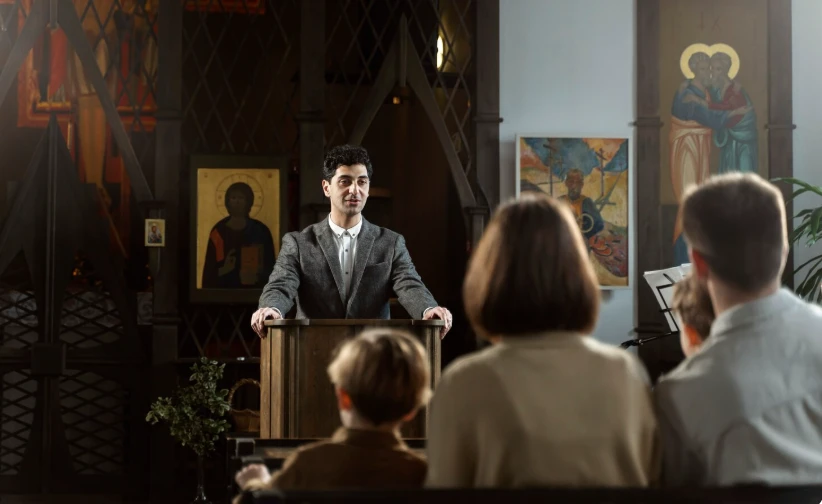
Discover Your Spiritual Home at a Unitarian Universalist Congregation
If you're looking for a religious one that will answer your questions in the same way as it honors your obligations an uni-universalist community might be the one you've been seeking. The welcoming congregations offer more than Sunday worship services. They offer opportunities to develop spiritually by offering religious education classes that are suitable for everyone as well as meaningful social interactions through interest groups and community service projects, and opportunities for making a difference by engaging in social justice. If you're considering a faith-based practice in the first place and are returning to the religious world after many years and looking for a more open and welcoming home for your spiritual life, unitarian universalist congregations welcome you how you're. There are many congregations that offer orientation for new members and coffee hour for inquiries and connecting, as well as no-pressure chances to think about what membership could mean to the person you are. Go to a church service, join an event, or contact them to find out about the ways this welcoming group can enrich your life, and give you the sense of belonging that you are looking for.
Conclusion
The mission of Universalist churches in encouraging inclusion and community goes beyond opening the doors of anyone who wants to enter. They actively seek to break down barriers, promote diversity, promote justice and build a sense of belonging in an increasingly fractured world. They are grounded in the fundamental conviction that every individual is important, they show the kind of community that is inclusive as: imperfect, always changing, yet fundamentally dedicated to ensure that no one is left unattended or driven into the shadows. While society struggles with disconnection and division the model and example of Universalist Churches can provide both encouragement and a practical guideline for creating the sacred community we are in need of.
FAQs
1. What makes Universalist churches different from other religious communities?
Universalist churches focus on inclusivity and theological openness. They do not claim exclusive truth and welcome people from many beliefs, backgrounds, and identities without requiring specific creeds.
2. Who can join a Universalist or Unitarian Universalist congregation?
Anyone can join, regardless of faith tradition, spirituality level, identity, or background. These congregations welcome believers, seekers, skeptics, and people exploring spirituality for the first time.
3. How do Universalist churches promote inclusivity in practice?
They create welcoming worship spaces, encourage open dialogue, support diverse identities, and avoid rigid belief tests. Many also host discussion groups, support networks, and community-building events.
4. What role do Universalist churches play in social justice?
Universalist churches often engage in social justice work such as civil rights advocacy, LGBTQ+ equality, refugee support, environmental stewardship, and community outreach programs.
5. How do Universalist congregations help people find community and belonging?
They offer small groups, shared meals, pastoral care, celebrations, and support during crises. These activities help members build meaningful relationships and feel connected in modern life.